
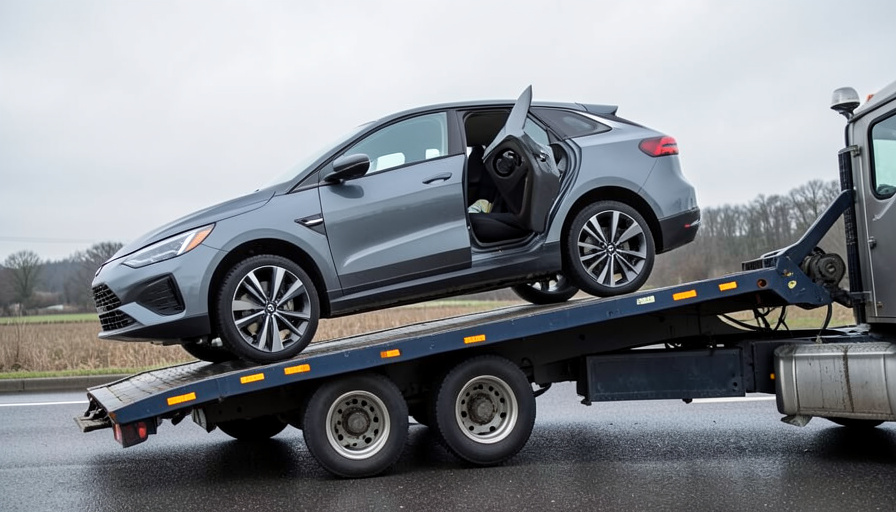
Your EV rolls to a stop on the shoulder, and the usual roadside routine does not apply. You cannot hook it to a hitch and drag it, and a jump start will not fix an empty traction battery. An electric car has to be flatbed towed and, if the battery is dead, taken to a charger, which means roadside cover that treats EVs as an afterthought can leave you genuinely stranded.
AAA does handle EVs and tows them on flatbeds, but it is not the only option, and depending on your car, your insurer, and where you drive, something else may cover you better or cheaper. Here are six AAA alternatives worth knowing for EV drivers, and what actually makes roadside assistance EV-friendly.
Key takeaways
For an EV, the two things roadside cover must get right are flatbed towing, since towing on the wheels can damage the motor through regenerative braking, and a tow to the nearest charging station when the battery is flat. Every option here can do that, but they suit different drivers. If your EV is newish, your carmaker’s included roadside plan is often free and EV-aware. Your auto insurer’s roadside add-on is cheap and bundled. Better World Club is the closest direct AAA-style membership alternative. On-demand apps and any roadside perk on your credit card cover you without a membership. And mobile charging services are emerging for the specific dead-battery case. Confirm flatbed towing and tow-to-charger before you rely on any of them.
Table of Contents
What makes roadside assistance EV-friendly
Before the alternatives, know what you are checking for. An electric motor connects directly to the wheels, so towing an EV with its drive wheels on the ground can spin the motor and generate power through regenerative braking, overheating components and causing expensive damage. That is why an EV should be flatbed towed, with all four wheels off the ground. The second EV-specific need is what happens when the battery is empty: a jump does nothing, so the fix is a tow to the nearest charging station or, where available, a mobile top-up big enough to reach one. Any roadside option you choose should guarantee both. As AAA and other providers note, flatbed equipment is the standard for EVs precisely because the older methods risk the drivetrain.
1. Your carmaker’s included roadside plan
The option most EV owners forget is the one they already have. Nearly every new EV comes with roadside assistance included for the warranty period, run by the manufacturer and built around the car, so it already knows to send a flatbed and tow to a charger. For a Tesla, Rivian, Ford, Hyundai, or most others, this is often free for years and specifically EV-aware, which is exactly what you want. Check your warranty booklet or the maker’s app before paying for anything else, because you may be covered already at no extra cost.
2. Your auto insurer’s roadside add-on
Most major insurers offer roadside assistance as a cheap add-on to your existing policy, often a few dollars a month, which bundles towing into a bill you already pay. It is usually the most cost-effective route if your carmaker’s coverage has lapsed. The one caveat is EV specifics: confirm with your insurer that towing is flatbed and that they will take the car to the nearest charger, not just a set number of miles that might strand you short of one. If your policy already includes it, you may need no separate membership at all.
3. Better World Club
Better World Club is the closest direct alternative to a AAA-style membership, offering nationwide roadside assistance with an environmental bent, including coverage for EVs and even bicycles. For drivers who want a traditional membership they can call from anywhere, independent of their car’s age or their insurer, but prefer an alternative to AAA, it is the best-known option. As with any membership, confirm the EV towing details, but its whole positioning is friendlier to electric and alternative transport, which makes it a natural fit for EV owners shopping outside AAA.
4. On-demand roadside apps
If you rarely need help and dislike paying a yearly membership, app-based services let you request a tow on the spot and pay per use. Services like HONK and Urgently dispatch a nearby provider through your phone, show pricing upfront, and let you specify that you need a flatbed for an EV. There is no membership to maintain, which suits low-mileage drivers or anyone who wants a backup to their main coverage. The trade-off is that a one-off tow can cost more than a membership call, but for infrequent use the math often still favors paying only when you actually need it.
5. Roadside coverage on your credit card
Some credit cards include roadside dispatch as a cardholder benefit, either free or as a low pay-per-use service, which can cover you with no separate plan at all. It varies a lot by card and many have trimmed these perks, so this is a check-your-benefits step rather than a guarantee. If your card does offer it, confirm it will arrange a flatbed for an EV and tow to a charger. Even where it is pay-per-use, having the dispatch number in your wallet is a useful backstop alongside whatever primary coverage you carry.
6. Mobile EV charging services
For the one problem unique to EVs, an empty battery, a small but growing set of services will bring charge to you. A mobile charging visit delivers enough power to get you to a proper charging station, which can be faster than waiting for a tow in areas where it operates. Availability is still limited and patchy by region, so it is a complement rather than a standalone plan, but it is worth knowing about and checking in your area. Where it exists, it turns a dead-battery stranding into a short wait rather than a tow.
How to choose the right one
Start with what you already have. If your EV is still under warranty, the carmaker’s plan is usually free and EV-aware, so use that first. If not, an insurer add-on is typically the cheapest bundled option, and Better World Club is the strongest standalone membership if you want AAA-style cover without AAA. Keep an on-demand app installed as a no-membership backup, check whether your credit card quietly includes dispatch, and look up whether mobile charging operates where you drive. Whichever you pick, ask the one EV question that matters: will you flatbed tow my car to the nearest charger? For another EV trip-planning pitfall worth avoiding, see our guide to documenting a rental car before you drive off.
This article is general information, not financial or legal advice. Roadside plans, coverage limits, and EV towing policies vary by provider and location, so confirm the specifics, especially flatbed towing and tow-to-charger, directly with any provider before relying on it.
Frequently asked questions
Can any roadside service tow an electric car?
Only with the right equipment. An EV should be flatbed towed with all four wheels off the ground, because towing on the drive wheels can damage the motor through regenerative braking. Before relying on any plan, confirm it uses flatbed towing for EVs rather than a hitch or wheel-lift.
What happens if my EV runs out of charge on the road?
A jump start does nothing for an empty traction battery, so the standard fix is a flatbed tow to the nearest charging station. Some providers now offer mobile charging that adds enough power to reach a charger, but availability is limited, so towing to a charger remains the reliable solution.
Do I need AAA if my EV came with roadside assistance?
Often not. Most new EVs include manufacturer roadside assistance for the warranty period, and it is built to send a flatbed and tow to a charger. Check your warranty and the carmaker’s app first, since you may already be covered for free and not need a separate membership.
Is Better World Club a good AAA alternative for EV drivers?
It is the closest direct membership alternative, offering nationwide roadside assistance with an environmental focus and coverage for EVs. For drivers who want traditional membership cover independent of their car or insurer but prefer an alternative to AAA, it is the best-known choice. Confirm the EV towing details when you sign up.
Is an insurer’s roadside add-on enough for an EV?
Usually, if it handles EVs correctly. Insurer add-ons are cheap and bundled with your policy, but confirm that towing is flatbed and that they will take the car to the nearest charger rather than a fixed mileage that could strand you short of one. With those confirmed, it is often the most cost-effective option.
The bottom line
EV roadside cover only counts if it flatbed tows your car and gets it to a charger, so the best alternative to AAA is whichever option guarantees both for how you drive. Check your carmaker’s included plan first, lean on a cheap insurer add-on if that has lapsed, and consider Better World Club for standalone membership, with on-demand apps, card benefits, and mobile charging as useful backups. Ask every provider the same flatbed-and-charger question before you count on them. For more on EVs and car ownership, browse The Other Stream’s Autos section.