
When a 200-year-old museum announces it is closing, the instinct is to treat it as a local tragedy, one city losing one beloved building. The Academy of Natural Sciences in Philadelphia is that, and the grief is real. But it is also a symptom of something wider and less comfortable: science museums across the country are under a financial squeeze that a fond farewell cannot fix. The Academy is the headline. The trend behind it is the story.
The Academy will close its museum at the end of September after nearly two centuries, and the numbers behind that decision look a lot like the numbers at institutions all over the map. Attendance that never recovered from the pandemic, costs that kept climbing, and a funding model that depends on crowds who stopped coming. Understanding why this keeps happening matters more than mourning any single closure, because the same math is quietly threatening museums most people assume will always be there.
Key Takeaways
The Academy of Natural Sciences of Drexel University closes its Philadelphia museum around September 30, 2026, after nearly 200 years, driven by post-pandemic attendance declines and rising costs. Its annual visitors fell from a pre-pandemic peak near 400,000 to roughly 130,000 by 2024, and it lost millions in revenue despite significant university support. It is part of a national pattern: surveys show museums facing their worst financial outlook since the pandemic, with most drawing fewer visitors than in 2019. The core problem is a fragile funding model reliant on admissions, tourism, and philanthropy, all of which weakened at once. The Academy’s research and collections will continue, but the public museum’s closure shows how exposed these institutions have become.
Table of Contents
The numbers behind one closure
The Academy’s decline is specific and stark, and it explains the decision better than any statement could.

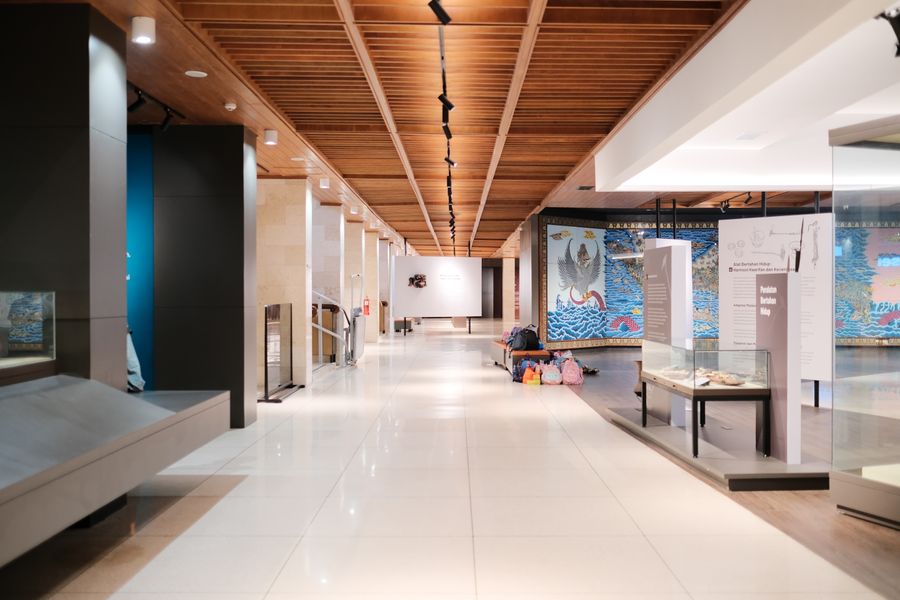
Before the pandemic, the Academy drew close to 400,000 visitors a year. By 2024, that had fallen to around 130,000, roughly a third of its peak. Between 2020 and 2022 it lost millions in revenue, and even substantial support from Drexel University, reported at nearly $17 million over two fiscal years plus a line of credit, could not close the gap between what the museum cost to run and what it brought in. That is the quiet arithmetic of a closure: not a single catastrophe, but a structural shortfall that widens every year until the institution backing it decides it can no longer absorb the loss. The crowds that surged once the closing was announced arrived long after the math had already turned.
Why this is a national pattern, not a local one
The Academy’s situation would be easier to dismiss if it were unusual. It is not. National surveys of museums point to the worst financial outlook since the pandemic, with a majority reporting fewer visitors than in 2019 and a significant share seeing attendance fall further in recent years, according to the American Alliance of Museums. Directors point to the same pressures compounding at once: softer travel and tourism, inflation in operating costs, shifts in charitable giving, and uncertainty around government funding. Any one of those is manageable. Arriving together, they turn a thin margin into an impossible one. The Academy is simply an early, high-profile casualty of forces bearing down on museums broadly.
The funding model is the real fragility
To see why museums are so exposed, look at how they pay for themselves. Most rely on a mix of ticket sales, tourism, memberships, donations, and grants, a model that assumes steady foot traffic and reliable generosity. When visitors thin out and philanthropy tightens in the same period, several revenue streams sag together, and there is little cushion underneath. Unlike a business that can cut a product line, a museum’s core cost is the building and the care of irreplaceable collections, which cannot simply be scaled down. That combination, high fixed costs and volatile income, is why a couple of bad years can push even a two-century-old institution past the point of viability. The fragility was always there. The pandemic just exposed it.
What a city actually loses
It is worth being clear about the stakes, because a shuttered museum is easy to file under nostalgia. These places are where a lot of children first meet a dinosaur skeleton, first look through a microscope, first sense that the natural world is vast and knowable. They anchor school field trips, support teachers, and give a city a shared civic space that is neither a store nor a screen. The Academy has said its research and its collection of millions of specimens will carry on, which matters enormously. But the public museum, the doors a family can walk through on a Saturday, is a different kind of asset, and when it closes, a community loses a piece of how it introduces the next generation to science.
What could actually help
None of this is hopeless, but the fixes are structural rather than sentimental. Sustainable futures for these institutions tend to involve some mix of the same moves:
- Stable public or institutional funding that does not swing with tourism and donations year to year.
- Broader revenue beyond admissions, from programming and partnerships to community and school ties that build reliable local attendance.
- Support that arrives before a crisis, not after a closing date, when affection finally turns into foot traffic too late to matter.
- Honest planning about which parts of the mission, public exhibits, research, collections, can be sustained and how.
The lesson of the Academy is not that museums are doomed. It is that the old model is strained, and the places we assume are permanent need support that matches how much we say we value them.
What To Know
- The Academy of Natural Sciences closes its Philadelphia museum around September 30, 2026, after nearly 200 years.
- Its annual attendance fell from roughly 400,000 before the pandemic to about 130,000 by 2024.
- Surveys show museums nationally facing their worst financial outlook since the pandemic.
- A funding model reliant on admissions, tourism, and philanthropy is the core fragility.
- The Academy’s research and collections continue, but the public museum’s loss still hits a community hard.
Frequently Asked Questions
Why is the Academy of Natural Sciences closing?
Chiefly because of post-pandemic attendance declines and rising operating costs. Annual visitors fell from about 400,000 before COVID to roughly 130,000 by 2024, and the revenue shortfall grew too large for Drexel University to keep absorbing, despite significant financial support.
Are other museums closing too?
Many are under serious strain. National surveys report the worst museum financial outlook since the pandemic, with most institutions drawing fewer visitors than in 2019. The Academy is a prominent example of pressures affecting science and cultural museums broadly.
What happens to the Academy’s collection and research?
Officials say the Academy’s scientific research and its collection of millions of specimens will continue, with the building housing collections and laboratories. It is the public museum, the part visitors walk through, that is closing, while the research institution carries on.
Why are science museums so financially fragile?
Their funding relies on admissions, tourism, memberships, and donations, several of which weakened at once after the pandemic. Meanwhile their biggest costs, the building and care of irreplaceable collections, are fixed and hard to cut, leaving little cushion when income drops.
What would help museums survive?
More stable public or institutional funding, revenue beyond ticket sales, strong school and community ties that build reliable local attendance, and support that arrives before a crisis rather than after a closure is announced. The current model depends too heavily on volatile foot traffic.
The Bottom Line
The Academy of Natural Sciences deserves the affection pouring in during its final month, but the more useful response is to notice what its closure represents. This is not one unlucky museum; it is an early warning about a whole category of institution running on a model that no longer holds. Science museums shape how children first encounter the world, and keeping them open takes support that shows up steadily, rather than only when the closing sign goes up. For more on schools, learning, and the institutions behind them, browse The Other Stream’s Education section.