
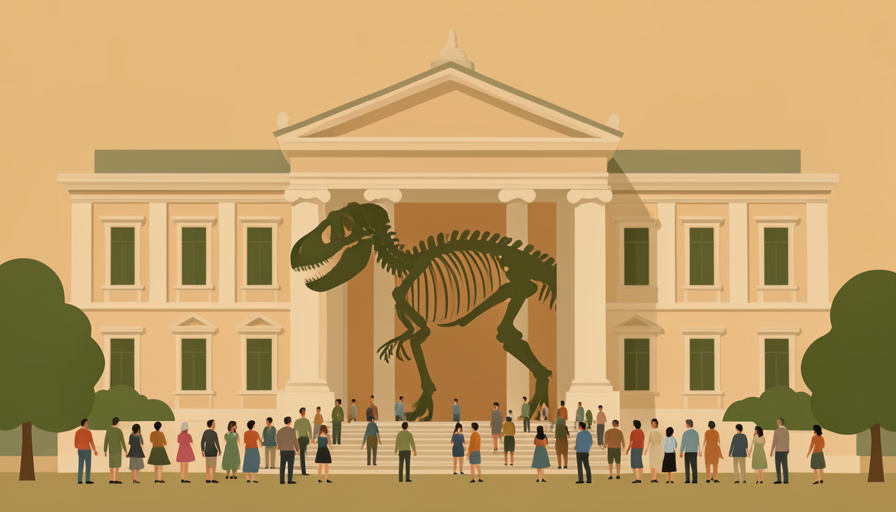
A museum that has been “usually dead” for years is suddenly packed. The reason is not a blockbuster exhibit. It is a closing date. Philadelphia’s Academy of Natural Sciences drew record crowds precisely because the city just learned it is about to lose it, which is both a moving show of support and a painful case of too little, too late.
When word spread that the Academy of Natural Sciences would close after more than two centuries, Philadelphians responded the way people do when something they took for granted is threatened: they showed up in force. Staff described being “gutted” while scrambling to handle record attendance. The crowd surge tells a bittersweet story about how communities value institutions, and it raises a harder question about why the support arrives only when the closing sign goes up.
The Short Version
The Academy of Natural Sciences in Philadelphia, founded in 1812 and affiliated with Drexel University since 2011, is closing its Benjamin Franklin Parkway location around the end of September 2026. Drexel cited declining visitors since COVID, rising building costs, and an unsustainable operating model. The closure announcement triggered a wave of support: record crowds, a petition, and protests, with many residents arguing the museum is a small share of Drexel’s budget and should have been saved. Leadership has shifted, with the CEO stepping down and city figures stepping in, and officials say the museum could return later in a smaller form. For now, the collection’s future and the site’s fate remain unsettled.
Table of Contents
Why the museum is suddenly packed
The surge is grief turned into foot traffic. For years, regulars describe the halls as quiet, one visitor said their family went nearly monthly and it was “usually dead.” Then the closure news hit, and the same museum filled up. People wanted a last visit, a chance to show their kids the dinosaurs one more time, and a way to signal that they cared. A staff member in the education department captured the mood, thanking the public for its support while admitting the team was in shock and trying to make the final weeks “the best time ever.” The crowds are real affection, arriving at the worst possible moment to matter.
Why it’s closing
The reasons are the familiar ones that quietly kill cultural institutions.

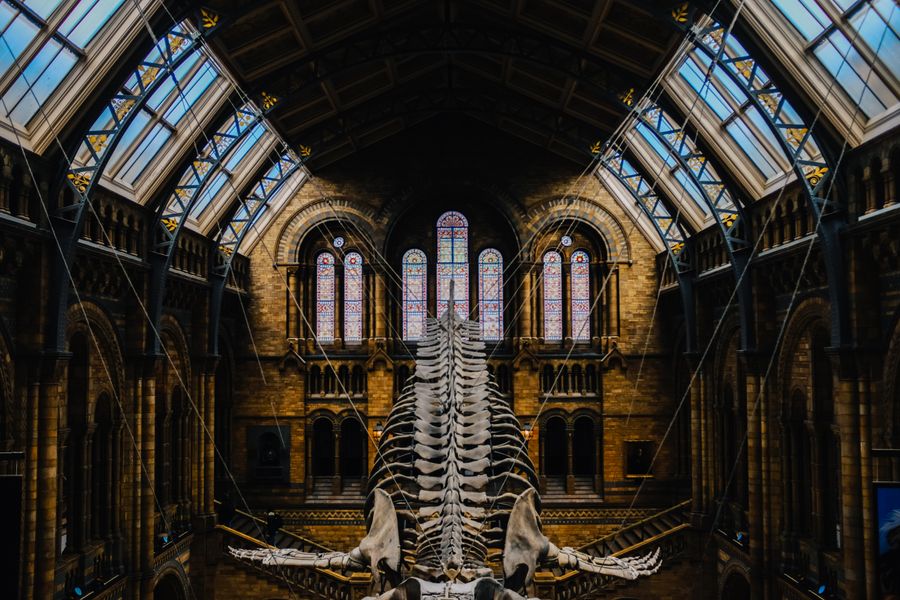
Drexel University pointed to decreased visitorship following the pandemic, rising building operating and maintenance costs, and what it called fundamental changes in the operational model rather than a temporary shortfall, as Billy Penn reported. Earlier in 2026, Drexel reportedly presented an ultimatum: fully merge the Academy into the university, surrendering its collections, space, and endowment, or the two would part ways. Drexel has faced its own pressures, including lower enrollment and budget deficits, which shaped the decision. A 200-year-old museum, in other words, ran into a parent institution doing its own painful math.
The community’s counterargument
Supporters do not accept that the closure was unavoidable, and their argument is pointed. A widely shared claim held that the Academy makes up a small fraction of Drexel’s annual budget, framing it as a scapegoat for a much larger financial problem rather than a genuine budget necessity. Others asked why deep-pocketed local institutions or the state could not step in, with one popular comment simply asking why a major Philadelphia corporation would not fund it. Suggestions to call the governor’s office rather than the mayor circulated widely. Whether or not the rescue math works, the community’s position is that a two-century-old scientific institution deserved a harder effort to save than it got.
What happens to the collection and staff
This is the anxious, unresolved part. The Academy holds a vast scientific collection built over two centuries, and closing the Parkway building raises immediate questions about where those specimens go and who cares for them. Staff learned of the closure on short notice and expressed distress about their jobs and the collection’s future. Leadership changed quickly: the museum’s president stepped down after the announcement, and city figures, including a deputy mayor and a former ambassador, were brought in to help steer what comes next. One of them suggested the museum could return later in a smaller form, though the landmark Parkway location will be vacated. That is a hopeful maybe, not a plan.
The bigger question for museums
The Academy’s crisis is specific, but the pattern is not. Many mid-sized museums depend on steady attendance and institutional support that both weakened after 2020, and school field trips, once a reliable source of young visitors, have not fully recovered in many cities. When attendance drifts down and building costs drift up, the gap eventually forces a decision. The uncomfortable lesson in the crowd surge is that latent public support does not pay operating bills. A museum needs people through the doors in the quiet years, rather than only in the final weeks, and the institutions most at risk are exactly the ones a community assumes will always be there.
What To Know
- The Academy of Natural Sciences, founded in 1812, is closing its Philadelphia Parkway location around the end of September 2026.
- Drexel University, affiliated since 2011, cited post-COVID attendance decline and rising costs.
- The closure sparked record crowds, a petition, and protests to save the museum.
- Supporters argue the Academy is a small part of Drexel’s budget and was treated as a scapegoat.
- Officials say the museum could return later in a smaller form, but the collection’s future is unsettled.
Frequently Asked Questions
Why is the Academy of Natural Sciences closing?
Drexel University, which has been affiliated with the Academy since 2011, cited declining visitorship since COVID, rising building operating and maintenance costs, and an operating model it called unsustainable. Drexel has also faced lower enrollment and budget deficits of its own.
When does the Academy of Natural Sciences close?
The Benjamin Franklin Parkway location is set to close around the end of September 2026. The museum has drawn record crowds in its final weeks as Philadelphians visit to say goodbye and protest the decision.
Why are people saying Drexel used the museum as a scapegoat?
Supporters argue the Academy makes up only a small share of Drexel’s annual budget, so closing it does little for the university’s finances while ending a 200-year-old institution. They contend a harder effort to find alternative funding should have been made.
What happens to the Academy’s collection?
It is unresolved. The museum holds a large scientific collection built over two centuries, and vacating the building raises questions about where the specimens go and who cares for them. Staff learned of the closure on short notice and expressed concern about the collection’s future.
Could the Academy of Natural Sciences reopen?
Possibly. Officials brought in to manage the situation suggested the museum could return later in a smaller form, though the current Parkway location will be vacated. That remains a possibility rather than a confirmed plan.
The Bottom Line
The record crowds at the Academy of Natural Sciences are genuinely moving, and genuinely late. They show how much a city can love an institution it rarely visited, and how that affection tends to surface only when the doors are about to close. Whether the museum returns in some form or not, the clearest takeaway is uncomfortable: the places we assume will always be there survive on ordinary attendance, not last-minute devotion. For more on museums and learning, browse The Other Stream’s Education section, or our Family & Personal coverage on family outings.