
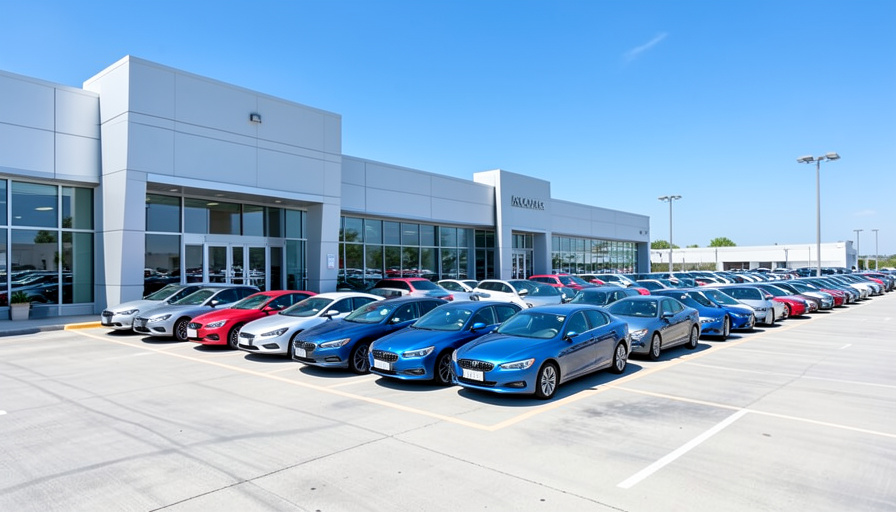
A tariff is a tax on imported goods, so the intuition is simple: it should only raise the price of foreign cars. The reality is messier. It quietly pushes up the price of almost every car on the lot, and the used ones parked next to them too.
When trade tensions flare, car buyers get nervous about prices and availability, and the coverage usually stops at the headline number. What actually matters to your wallet is the chain that runs from an import tax to the figure on a window sticker, because understanding it tells you whether to buy now, wait, or just keep the car you have. Here is how tariffs move car prices, why they touch even domestic models, and the moves that make sense for a buyer.
At a glance
A tariff raises what automakers pay to bring vehicles, parts, and materials into the country, and part of that cost lands on buyers as higher prices and fewer discounts. It does not add the full tariff rate to every car, since the impact depends on how much of a given model is imported. Because most cars use some imported components, even locally assembled ones can get pricier, and higher new-car prices push more shoppers toward used cars, dragging those prices up as well. For buyers, the smart response is information and timing, not panic.
Table of Contents
How a tariff reaches the sticker price
Start with the mechanics, because they are less obvious than “foreign car costs more.” A tariff is charged when a vehicle or a part crosses the border, and it is the importer, usually the automaker, who pays it. That added cost then gets split three ways: the company absorbs some to stay competitive, suppliers eat a little, and the rest is passed to you through a higher price, a smaller discount, or fewer incentives. The 25 percent tariff the U.S. placed on many imported cars and parts in 2025 did not make every car 25 percent more expensive overnight, but analysis from J.P. Morgan Research points to meaningful, uneven increases across the market. On average, new-vehicle prices have risen in the range of a few thousand dollars, though the figure varies a lot by model.
Why the same tariff hits cars differently
This is the part that trips people up. Two cars on the same lot can be affected very differently because what matters is how much of each one is imported. Roughly half of new cars sold in the U.S. are either imported outright or built with a significant share of imported components, so a model assembled abroad takes the biggest hit, while one built domestically still absorbs some cost through imported parts and materials. There is almost no such thing as a truly tariff-proof car, since modern vehicles are assembled from globally sourced components. But a model with a heavily local supply chain will generally see a smaller bump than one shipped in complete from overseas, which is worth knowing when you compare two options.
The used-car ripple
Tariffs do not stop at the new-car lot. When new vehicles get more expensive, more shoppers give up on new and turn to used, and that extra demand lifts used prices too. It is basic supply and demand: the same number of used cars, more buyers chasing them, higher prices. Industry trackers like Kelley Blue Book have reported used values climbing well above their pre-tariff levels for this reason. So the frustrating truth is that trying to dodge a tariff by buying used does not fully work, because the wave reaches that market a beat later.
It is not just the sticker: repairs and insurance
The cost that people forget is the one that shows up long after purchase. If replacement parts are imported or made from pricier materials, repairs get more expensive, from a fender bender to a routine part replacement. Costlier parts and repairs can, over time, feed into higher insurance premiums as well, since insurers price in what it costs to fix a car. So the honest accounting of a tariff is not only a bigger sticker price, it is a slightly more expensive car to own and maintain for as long as you keep it.
What a buyer can actually do
You cannot control trade policy, but you can make smarter calls around it:
- Compare a model’s build origin and imported content, not just the badge, since a domestically assembled version may be less exposed.
- Factor in repair and parts costs, not only the purchase price, especially for models with mostly imported parts.
- Weigh buying now versus waiting honestly, rather than reacting to a headline, since prices move gradually and policy can change either way.
- Consider keeping and maintaining your current car if it is sound, which sidesteps both a higher sticker and a hot used market.
- Negotiate on total cost and incentives, which is where automakers quietly compete even when list prices are up.
The goal is to make a deliberate decision rather than a fearful one, because panic-buying on a rumor is how people overpay.
This article is general information, not financial advice. Tariff policy changes frequently, can be subject to legal challenge, and affects each vehicle differently. Confirm current rates and a specific model’s exposure before making a purchase, and consult a qualified professional for major financial decisions.
Frequently asked questions
Do tariffs really raise car prices?
Yes, though not by the full tariff rate on every car. A tariff raises what automakers pay to import vehicles and parts, and part of that cost reaches buyers through higher prices and fewer discounts. New-car prices have risen by a few thousand dollars on average, varying widely by model.
Do auto tariffs affect used car prices?
Indirectly, yes. As new cars get more expensive, more shoppers switch to used, and that added demand pushes used prices up. Buying used softens the blow but does not avoid it, since the effect spreads to that market too.
Are any cars unaffected by tariffs?
Almost none completely. Even domestically assembled cars use imported parts and materials, so they absorb some cost. Models with a mostly local supply chain tend to see smaller increases than those shipped in complete from overseas.
Do tariffs make car repairs more expensive?
They can. If replacement parts are imported or made from costlier materials, repair bills rise, and over time that can nudge insurance premiums higher too, since insurers account for repair costs when pricing coverage.
Should I buy a car now or wait because of tariffs?
It depends on your need and the specific model, not on a headline. Prices move gradually and policy can shift in either direction, so compare a model’s exposure, weigh repair costs, and negotiate on total price rather than rushing a purchase out of fear.
The bottom line
A tariff is a tax on imports, but its reach is wide: it lifts new-car prices unevenly, pulls used prices up behind them, and quietly raises the cost of repairs. No car is fully immune, yet the size of the hit depends heavily on how much of a given model is imported. The winning move for a buyer is not to panic but to compare build origin, count the ownership costs, and time the purchase to your actual needs. For the industry side of the same story, see our piece on how a trade breakdown squeezes the auto supply chain, and browse The Other Stream’s Autos section for more.