
Every few years, one international test quietly resets the conversation about how schools are doing. The 2025 PISA results just landed, and the numbers are the weakest the OECD has ever recorded. Here is what that actually means once you get past the alarming headline.
On September 8, 2026, the OECD released the results of its 2025 Programme for International Student Assessment, the test taken by more than 760,000 fifteen-year-olds across 91 countries. The topline is blunt: average reading and math scores are the lowest in the history of the assessment, which started in 2000. If you are a parent or you work in a school, the useful question is not whether this is bad. It is what is driving it and what, if anything, you can do about it.
Quick Answer
The 2025 PISA results show reading, math, and science scores at record lows across OECD countries, continuing a slide that accelerated after 2018 and dropped sharply again in 2022. Since 2015, average reading is down 28 points and math down 22, which the OECD equates to roughly a year and a half of lost learning in reading. The main drivers it points to are rising screen time, falling rates of reading for enjoyment, classroom device distraction, heavy AI-chatbot use, and teacher shortages. For families and districts, the practical response is less about the ranking and more about attention, reading habits, and support for struggling students.
Table of Contents
What the 2025 PISA results actually show
The declines are broad and consistent, which is what makes them hard to dismiss as a fluke. Across OECD countries, math scores fell about 22 points between 2015 and 2025, and reading fell 28 points over the same period, the steepest drop of the three subjects. The OECD translates that reading gap into roughly a year and a half of schooling, in its own analysis. Science slid too. In most countries, the fall between 2022 and 2025 followed an earlier fall between 2018 and 2022, so this is a trend with momentum, not a single bad year.
One number stuck with me: reading is now at its worst level this century. A whole cohort of teenagers is reading less capably than any measured group before them, and the gap is wide enough to matter for college readiness and the job market they are about to enter.
Why scores are sliding
The OECD is careful about causation, but it names several factors that move together with the decline. The clearest thread is attention.

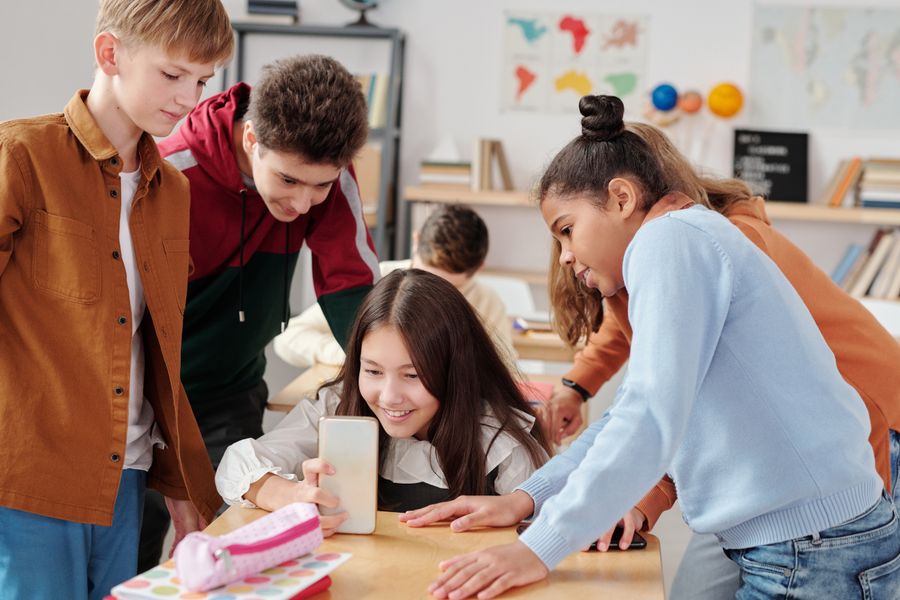
Screen time and digital distraction sit near the center of the report. More than one in four students said phones and devices distracted their classmates in most or every science lesson, and those students scored lower and felt less connected to school. Reading for enjoyment has fallen at the same time, which matters because pleasure reading is one of the strongest predictors of reading skill. The report also flags shorter attention spans, heavy AI use, and a global teacher shortage. Notably, students who regularly used AI chatbots to draft essays or summarize texts scored about 20 points lower in science, according to coverage of the findings.
None of these is a simple villain. A teenager can read on a screen and still read well. But the pattern across dozens of countries points the same direction: sustained attention is getting harder, and the skills that need it are the ones falling fastest.
Where the U.S. and top performers landed
Rankings are relative, which produces some counterintuitive results. U.S. students did not suddenly improve, but the country’s international standing actually rose because other nations declined faster, as Chalkbeat reported. That is a reminder to read the headline carefully: moving up the table while your own scores stagnate is not the same as getting better.
At the top, the same names hold. The Chinese jurisdictions of Beijing, Shanghai, Jiangsu, and Zhejiang led the field along with Singapore. Those systems combine intensive instruction with strong out-of-school study cultures, which is part of why they resist the global slide, and part of why they are hard to copy wholesale.
What it means for parents and students
The ranking is a policy story. Your kitchen table is where the useful decisions get made. A few things are within a family’s control:
- Protect reading for pleasure. Twenty minutes of self-chosen reading a day does more for literacy than most apps, and it directly targets the skill falling fastest.
- Create phone-free study blocks. The distraction effect the report describes is real, and it applies at home as much as in class.
- Treat AI as a tutor, not a ghostwriter. Using a chatbot to explain a concept is different from using it to write the essay, and the score gap suggests the writing shortcut backfires.
- Watch for a specific slump, not a vague “screens are bad.” If reading is the weak spot, target reading rather than buying another subscription.
What it means for districts and tutoring demand
For schools and districts, the results will feed three practical debates: whether to restrict phones during the day, how to fund small-group tutoring for students who fell behind after 2020, and how to keep teachers in classrooms amid the shortage the report highlights. Expect tutoring demand to climb, both district-funded and private, as families read the coverage and look for concrete help. The districts that respond well will focus spending on the two subjects with the steepest declines rather than spreading resources thin.
What To Know
- The 2025 PISA results, released September 8, 2026, show record-low reading and math scores across OECD countries.
- Since 2015, reading is down 28 points and math down 22, roughly a year and a half of lost learning in reading.
- Screen time, device distraction, less reading for pleasure, heavy AI use, and teacher shortages are the cited factors.
- The U.S. rose in the rankings mainly because other countries fell faster, not because scores improved.
- Families can act on reading habits and attention; districts face phone-policy, tutoring, and staffing decisions.
Frequently Asked Questions
What is PISA and who takes it?
PISA is the OECD’s Programme for International Student Assessment, a test of reading, math, and science given to 15-year-olds around the world every few years. The 2025 round tested more than 760,000 students across 91 countries and economies.
How much did PISA scores drop in 2025?
Across OECD countries, reading fell about 28 points and math about 22 points between 2015 and 2025, the lowest averages ever recorded. The OECD equates the reading decline to roughly a year and a half of schooling.
Why are international test scores declining?
The OECD points to rising screen time, falling rates of reading for enjoyment, classroom device distraction, shorter attention spans, heavy AI-chatbot use, and teacher shortages. These factors move together with the decline, though the report is careful about direct cause and effect.
Did U.S. students improve in PISA 2025?
Not in absolute terms. U.S. scores were largely flat, but the country’s international ranking rose because other nations declined more steeply. A higher ranking with stagnant scores is not the same as genuine improvement.
What can parents do about falling scores?
Focus on daily reading for pleasure, phone-free study time, and using AI to explain rather than to write. Students who used chatbots to draft work scored lower, so treating AI as a tutor instead of a ghostwriter appears to matter.
The Bottom Line
The 2025 PISA results are a genuine warning, and the most honest reading of them is not about which country beat which. It is that the skills requiring sustained attention, reading first among them, are eroding across most of the developed world at the same time. That points less to a single policy fix and more to a slow rebuild of attention and reading habits, at home and in class. For more on schools and learning, browse The Other Stream’s Education section, or our Family & Personal coverage for parenting angles.