
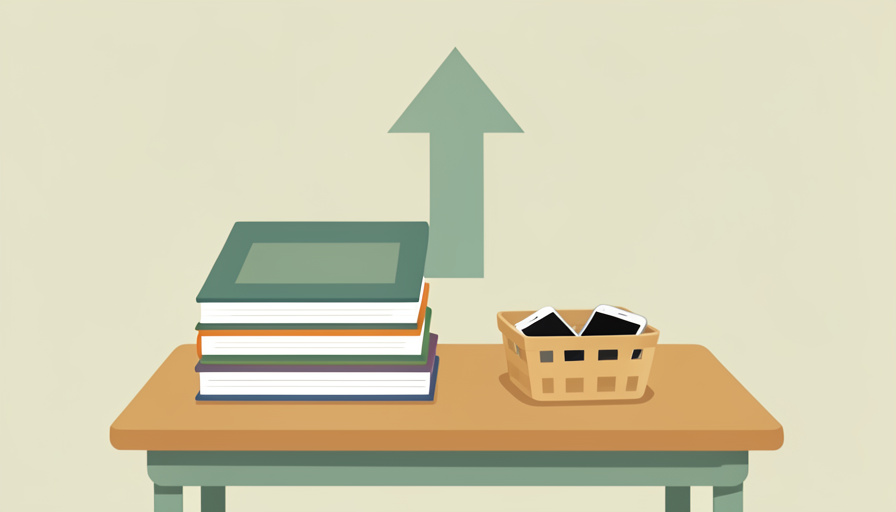
The 2025 PISA results confirmed the slide. Now the harder conversation begins: what actually reverses it? The evidence on the two most popular fixes, phone bans and tutoring, is more complicated than the confident takes on either side.
When the OECD released the weakest PISA scores it has ever recorded, the reaction split into familiar camps almost immediately. Ban the phones. Hire more tutors. Fix the curriculum. Each sounds obvious. The problem is that education research keeps finding the same uncomfortable pattern: broad, one-size-fits-all fixes tend to do less than people hope, while narrow, targeted ones do more. A recovery plan that ignores that distinction is likely to spend a lot and change little.
The Short Version
After the PISA 2026 score decline, educators are debating three main recovery levers: restricting phones, expanding tutoring, and keeping teachers in classrooms. The research is more mixed. Large studies find phone bans do little for test scores directly, though they improve behavior and well-being over time. High-dosage tutoring helps, but mainly for the students who started furthest behind, not everyone. And no plan works without enough teachers to run it, which the same PISA report flags as a growing shortage. The realistic recovery strategy is targeted, not universal: focus resources on struggling readers, protect attention, and staff the effort properly.
Table of Contents
What the recovery debate is really about
The 2025 PISA data, released in September 2026, showed reading and math at their lowest levels since the assessment began, with the OECD linking the slide to screen time, device distraction, less reading for pleasure, and teacher shortages. That framing matters because it shapes the fixes. If distraction is a core driver, phones become the obvious target. If learning loss is concentrated among students who fell behind after 2020, tutoring becomes the lever. Both instincts are reasonable. The evidence just refuses to make either one a silver bullet.
Do phone bans fix test scores?
This is where the honest answer surprises people. A large Stanford-led study of more than 43,000 middle and high schools found the effect of phone bans on test scores was consistently close to zero. What did improve came later: disciplinary problems eased after the first year, and student well-being was higher by the third, as Education Next summarized.


Results vary by country. Spain measured a modest PISA gain of about 0.10 standard deviations plus less bullying, while Sweden found no academic effect at all. So phone bans are defensible for behavior and climate, and there is a real case for them. But selling them as a scores fix oversells the evidence. A school that bans phones and expects PISA-style gains the next year is likely to be disappointed, and then to blame the wrong thing.
Does tutoring actually work?
Tutoring has the best reputation among recovery tools, and mostly deserves it, with a catch. A 2025 randomized trial of high-dosage literacy tutoring found the overall average effect was not statistically significant. Dig into the results, though, and the students who started furthest behind gained meaningfully, around 0.2 of a standard deviation, while stronger readers saw little benefit.
The lesson is precision. Tutoring works when it targets the specific child and the specific skill, and it wastes money when it is sprayed across a whole grade regardless of need. A district that funds tutoring for everyone will see a weak average and conclude it failed. A district that funds intensive tutoring for its most behind readers will see real gains where it counts. Same tool, opposite outcomes, depending entirely on aim.
The teacher-shortage constraint no plan solves on paper
Here is the part every recovery plan tends to skip. Phone policies, tutoring programs, and curriculum reforms all assume enough adults to run them, and the PISA report itself flags a global teacher shortage as a contributing factor to the decline. Tutoring at scale needs tutors. Smaller classes need teachers. A plan that adds obligations without adding staff quietly loads more onto the people already leaving the profession, which makes the underlying problem worse.
Quick reality check: recovery is a staffing question before it is a strategy question. The best-designed intervention fails if there is no one to deliver it consistently.
What a realistic recovery plan looks like
Put the evidence together and a workable approach emerges. It is less exciting than a single bold policy, and more likely to work:
- Target tutoring at the students furthest behind, in the specific subject they are weakest in, rather than spreading it evenly.
- Use phone restrictions for behavior and focus, but do not sell them as a test-score cure.
- Rebuild reading for pleasure deliberately, since it tracks the skill that fell hardest and costs little.
- Protect and retain teachers first, because every other lever depends on having enough of them.
- Measure the right students. Track gains among those who started behind, rather than the grade-level average that hides them.
What To Know
- After the PISA 2026 score decline, recovery debates center on phones, tutoring, and teacher retention.
- A large study found phone bans do little for test scores but improve behavior and well-being over time.
- High-dosage tutoring helps mainly the students who started furthest behind, not everyone equally.
- Teacher shortages limit every recovery plan, since programs need staff to run them.
- The most effective approach is targeted, not universal: aim resources at struggling students and protect attention.
Frequently Asked Questions
Do phone bans improve student test scores?
Mostly no, at least not directly. A Stanford-led study of over 43,000 schools found the effect on test scores was close to zero, though disciplinary issues and well-being improved over time. Some countries like Spain saw modest gains, while Sweden saw none, so results are mixed.
Is tutoring effective for learning recovery?
Yes, but selectively. High-dosage tutoring produces meaningful gains for students who started furthest behind, around 0.2 of a standard deviation in one 2025 trial, while stronger students benefit little. Tutoring works best when it targets a specific child and a specific skill.
Why do broad education fixes often disappoint?
Because averages hide who actually benefits. A program applied to everyone tends to help a subset while showing a weak overall number, which gets read as failure. Targeted interventions aimed at the students with the greatest need produce clearer results.
How does the teacher shortage affect recovery?
Heavily. Tutoring, smaller classes, and new programs all require staff to deliver them. The PISA report lists teacher shortages among the factors behind the decline, so plans that add work without adding people risk pushing more teachers out and deepening the problem.
What should schools prioritize after the PISA decline?
Target tutoring at the students furthest behind, rebuild daily reading for pleasure, use phone limits for focus without overpromising, and retain teachers. Precision and staffing matter more than any single headline policy.
The Bottom Line
The temptation after a bad PISA result is to reach for one dramatic fix and declare the problem addressed. The research keeps pointing the other way. Recovery comes from aiming narrow interventions at the students who need them, protecting attention without overselling phone policy, and keeping enough teachers in the building to make any of it happen. It is unglamorous work, and it is the work most likely to move the next set of scores. For more on schools and learning, browse The Other Stream’s Education section, or our Tech coverage on classroom devices and AI.