
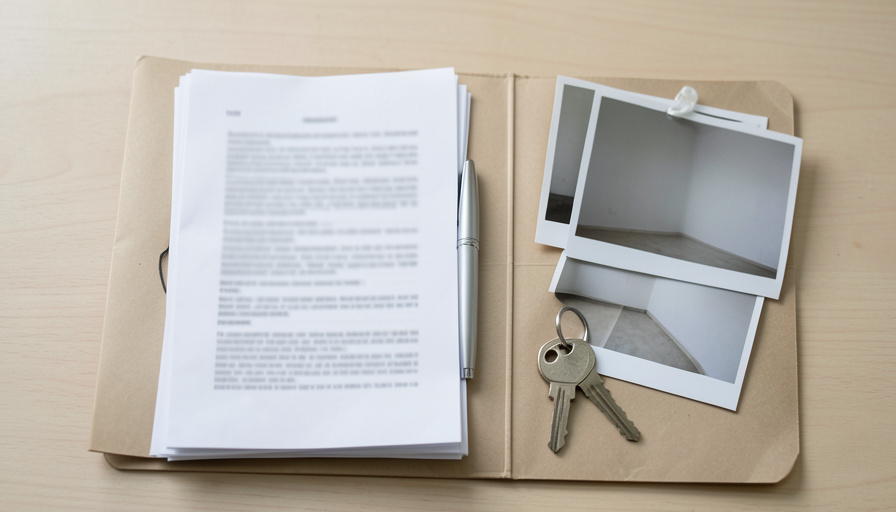
You moved out, left the place clean, and then the deposit came back short, or not at all, with a list of deductions that feel vague, inflated, or plain wrong. It is one of the most common disputes between tenants and landlords, and the tenants who get their money back are almost always the ones who show up organized. A landlord who is padding deductions is counting on you to grumble and give up. A tidy demand letter backed by evidence tells them you will not, and that you are ready to take it further. Here is how to build that packet.
Think of it as the file you would hand a small claims judge, assembled before you even send the letter. If it is strong enough to win in court, it is usually strong enough that you never have to go.
What the packet needs to do
A demand letter packet has one job: make it obvious that the deduction was improper and that you are prepared to pursue it. That means two things working together, the evidence and the letter. The evidence, the itemized deductions, your lease, dated move-in and move-out photos, the signed condition checklist, and receipts or quotes that rebut the charges, proves the unit was in the shape you say. The letter states plainly what you are owed, why, and by when, and signals your intent to go to small claims if ignored. Know your state’s deposit-return deadline and any penalties for withholding in bad faith, send the letter with proof of delivery, and keep copies of everything. Assembled well, the packet often gets the money back without a courtroom.
Table of Contents
1. The itemized deduction statement and your lease
Start with the two documents that frame the whole dispute: the landlord’s itemized statement of deductions and your signed lease. Many states require a landlord to provide a written, itemized list of what they kept and why, so if you only got a smaller check with no explanation, that itself may be a violation worth noting. Read the deductions against your lease, which sets out what you agreed to and any cleaning or condition terms. Together they show exactly what is being charged and whether the lease actually allows it, which is the foundation everything else in your packet builds on.
2. Dated move-in and move-out photos or video
Photographic proof of the unit’s condition is the heart of a deposit dispute, and dated images at both ends win cases. Move-in photos or video establish how the place looked when you took it; move-out documentation shows how you left it. If a deduction claims you damaged something that your move-in photos show was already worn, or your move-out photos show was clean and intact, that contradiction is powerful. Gather every timestamped image you have from both moments, organized so the before and after of each disputed item sit side by side. If you did not take move-out photos, use whatever dated evidence you do have.
3. The signed move-in and move-out checklist
If you completed a move-in inspection checklist, or a move-out one, that both you and the landlord signed, it is strong evidence, because it is an agreed record of condition. A move-in checklist noting existing scuffs or worn carpet directly rebuts a later charge for those same items. Include any signed condition report in your packet, and match its entries to your photos. A landlord charging you for something the move-in checklist already flagged as pre-existing is on very weak ground, and pointing to that signed document in your letter is often enough to get that particular deduction dropped.
4. Receipts and quotes that rebut the charges
Attack the specific charges with specific evidence. The central distinction in most disputes is normal wear and tear, which a landlord generally cannot deduct for, versus actual damage, which they can. Faded paint, minor scuffs, and lightly worn carpet from ordinary living are usually wear, not damage. If you were charged for cleaning, your own cleaning receipts help, and our guide to move-out cleaning receipts that protect your deposit covers exactly what to keep. If a charge looks inflated, an independent quote for the same work can show the landlord billed far above the real cost. Line up a rebuttal for each disputed item, so no deduction goes unanswered.
5. Your state’s deposit-return deadline and penalties
Know the law that applies, because timing is often your strongest lever. Most states set a deadline, commonly somewhere in the range of a couple of weeks to a month after move-out, by which a landlord must return the deposit or provide an itemized statement of deductions. Miss that deadline, and the landlord may forfeit the right to keep any of it. Many states also penalize bad-faith withholding, sometimes allowing you to recover a multiple of the wrongfully kept amount plus costs. Look up your state’s specific deposit rules, deadline, and penalties through a resource like USA.gov’s tenant rights guide, and cite them in your letter. A landlord who blew the deadline or is withholding in bad faith is exposed, and saying so, accurately, gets attention.
6. The demand letter itself
Now write the letter that ties it together, and keep it factual and firm, not angry. State that you are writing to demand return of your wrongfully withheld deposit, identify the property and dates, and list each disputed deduction with a one-line reason it is improper, referencing your evidence. Give the exact dollar amount you are owed, set a clear, reasonable deadline to pay it, commonly a couple of weeks, and state plainly that if it is not resolved you will pursue the matter in small claims court, including any penalties your state allows. Professional and specific beats emotional every time, because it reads like something a judge would side with. Attach or reference your evidence so the landlord sees you are ready.
7. Proof of delivery and your own copies
How you send it matters for later. Mail the demand letter in a way that proves delivery, such as certified mail with a return receipt, or another trackable method, so the landlord cannot claim they never received it and you have a dated record. Keep a complete copy of everything you sent, the letter and every piece of evidence, exactly as the landlord received it. This proof of mailing and your retained copies become part of your small claims file if it comes to that. Organized, documented delivery is the difference between a demand the landlord can ignore and one that starts a clock they have to answer.
How to send it and what comes next
Send the letter with your evidence organized behind it, or reference the evidence and offer to provide it, and wait out your deadline. Many landlords, faced with a tenant who is clearly prepared, simply pay rather than risk court and penalties. If yours ignores it or refuses, your packet is already built for the next step: small claims court, where deposit disputes are common and the same evidence carries the day. Before filing, it is worth reading our guide to alternatives to small claims court, since a firm demand is often all it takes. Either way, the work you did assembling the packet is what makes the outcome go your way.
This article is general information, not legal advice, and it does not create an attorney-client relationship. Security deposit rules, return deadlines, itemization requirements, and penalties for wrongful withholding vary significantly by state and locality, so confirm the law that applies to you and consult a qualified attorney or your local housing or tenant-rights agency before sending a demand or filing a claim.
Frequently asked questions
What should a security deposit demand letter include?
State that you are demanding return of your wrongfully withheld deposit, identify the property and your move-out date, and list each disputed deduction with a brief reason it is improper. Give the exact amount owed, set a clear deadline to pay, and say you will pursue small claims, including any penalties your state allows, if it is not resolved. Keep it factual and firm, and reference the evidence backing each point.
How long does a landlord have to return a security deposit?
It depends on your state, but most set a deadline, often somewhere from about two weeks to a month after move-out, to return the deposit or provide an itemized statement of deductions. Missing that deadline can cost the landlord the right to keep any of it. Because the exact timeframe and consequences vary, look up your state’s specific rule and cite it in your demand letter.
What is the difference between normal wear and tear and damage?
Normal wear and tear is the ordinary deterioration from living in a place, such as faded paint, minor scuffs, and lightly worn carpet, and a landlord generally cannot deduct for it. Damage is harm beyond ordinary use, like holes, stains, or breakage, which they can charge for. Many improper deductions are really wear billed as damage, which is why dated move-in and move-out photos are so effective at rebutting them.
Do I need photos to dispute a deposit deduction?
They help enormously. Dated move-in and move-out photos or video are the strongest evidence of the unit’s condition, and they directly contradict deductions for pre-existing wear or for damage that did not happen. A signed move-in checklist works similarly. If you have no photos, use whatever dated records and receipts you have, but going forward, always document a rental’s condition at both ends.
What if the landlord ignores my demand letter?
Then you escalate to small claims court, which is designed for exactly this kind of dispute and does not require a lawyer. The packet you assembled, the itemized deductions, lease, photos, checklist, receipts, and proof you sent a demand, becomes your case file. Mentioning your intent to file, and being visibly ready to, often prompts payment before you ever have to, so keep everything organized either way.
The bottom line
Getting a wrongfully withheld deposit back is usually a matter of organization, not luck. Build a packet a judge would respect: the itemized deductions and lease, dated move-in and move-out photos, the signed checklist, and receipts or quotes rebutting each charge, all framed by your state’s deposit deadline and penalties. Then send a firm, factual demand letter with an amount, a deadline, and a clear intent to go to small claims, delivered with proof. Do that, and most landlords pay rather than fight. For more on protecting yourself as a renter, browse The Other Stream’s Law section.