
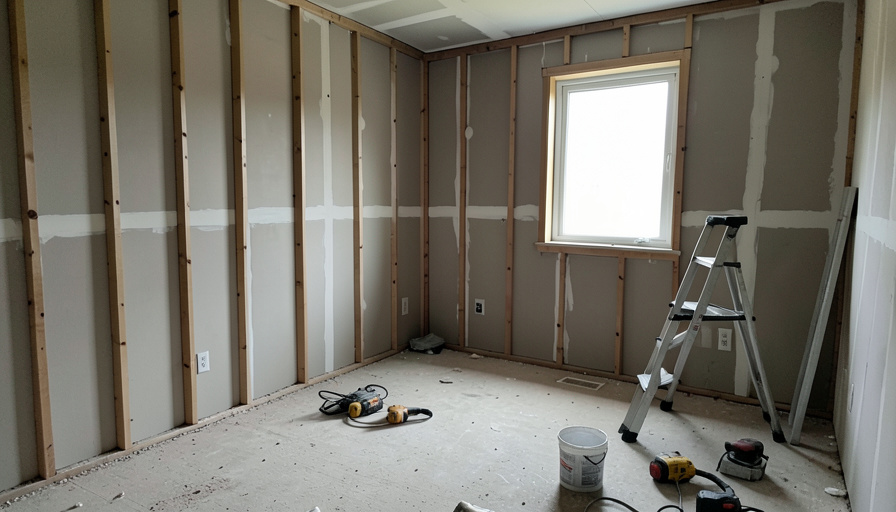
It is a particular kind of stomach-drop: the contractor took your deposit, framed out half the job, and then the calls go to voicemail, the texts sit unread, and the truck never comes back. You are out real money with an unfinished project, and the obvious next thought is to take them to small claims court. Sometimes that is exactly right. Other times it is a lot of effort for a piece of paper you cannot cash. Deciding well means looking past the anger at a few practical questions, because whether small claims is worth it depends less on how wronged you feel and more on whether you can actually collect.
Here is how to decide, starting with the cheaper moves that sometimes solve it faster, then the questions that tell you whether filing is worth your time.
The short answer
Whether to file small claims after a contractor ghosts you comes down to five questions: is the amount within your state’s small-claims limit, can you identify and legally serve the contractor, would a judgment actually be collectible, do you have solid evidence, and have you tried cheaper first steps like a demand letter or a licensing-board complaint. If those line up, small claims is a low-cost route where you usually represent yourself, and it is worth pursuing. If the contractor has genuinely vanished with no traceable business or assets, a judgment can be unenforceable, and a card chargeback or a complaint to your state’s contractor board might recover more with less effort. Decide based on collectibility and evidence, not just on being owed.
Table of Contents
First, the cheaper steps to try before filing
Small claims is not always the fastest lever. Before you file, a formal demand letter, sent to the contractor stating what you paid, what was not done, and what you want by a deadline, sometimes shakes loose a refund because it signals you are serious, and it also documents that you tried to resolve things. Our guide to writing a demand letter lays out the structure. Alongside that, a complaint to your state’s contractor licensing board can pressure a licensed contractor who wants to keep their license, and some states run recovery funds. If you paid the deposit by credit card, a chargeback dispute may get the money back directly from your bank. And your state or local consumer protection office can help, as the guidance on filing a complaint about a company explains. Any of these can resolve the matter without a court date.
Is the amount within your state’s small-claims limit?
Small claims courts only handle disputes up to a dollar limit, and that limit varies a lot by state, commonly ranging from a few thousand dollars up to somewhere around ten to twenty-five thousand depending on where you live. Check your own state’s current limit, because it decides whether small claims is even the right court. If your loss is under the limit, small claims is designed for exactly this kind of case. If it is well over, you either have to waive the excess to stay in small claims or bring the case in a higher court, which usually means more cost and often a lawyer. Knowing your number first keeps you from filing in the wrong place.
Can you identify and serve the contractor?
To sue someone, you have to name them correctly and legally deliver the court papers, which is where a true ghost gets tricky. You need the contractor’s real name or registered business name and an address where they can be served. Look them up in your state’s business registration records and contractor licensing database, which often list an owner and a registered agent for service, and check the paperwork and checks from your job for a legal name. If the person operated under a fake name, gave a bad address, and left no traceable business, serving them can be difficult or impossible, and a case you cannot serve cannot proceed. A contractor you can locate and serve is a case you can actually bring.
Would a judgment actually be collectible?
This is the question people skip and later regret. Winning in small claims gets you a judgment, but the court does not hand you the money; collecting it is on you, and it only works if the contractor has something to collect from. A contractor with a real business, income, or assets can be pursued through tools like wage garnishment or liens, and the judgment has teeth. One who is broke, has disappeared, or is otherwise what is called judgment-proof may never pay, leaving you with a legal win and no cash. Before you invest the time, make a sober guess about whether this person could pay if ordered to, because a collectible defendant is what makes filing worthwhile.
Do you have the evidence?
Small claims is informal, but you still win with proof, so take stock of what you have. The strongest file includes a written contract or estimate, records of every payment such as the deposit receipt or card statement, the texts and emails showing the work stopping and the contractor going silent, and dated photos of the unfinished or defective work. A clear timeline that ties it together helps a judge see the story quickly. If your agreement was a handshake with cash and no records, you can still try, but your case is weaker. The better your documentation, the more filing is worth it, and gathering it now serves any of your options, not just court.
A simple way to decide
Put the pieces together. If the amount is within your state’s limit, you can identify and serve the contractor, a judgment looks collectible, and you have real evidence, then small claims is a sensible, low-cost step and filing is likely worth it. If one of those is missing, weigh it: a great case against someone you cannot find or who has nothing is often better routed through a chargeback or a licensing complaint, while a modest amount against a solid local business is a clean small-claims candidate. Also weigh the plain costs, the filing fee, the time to prepare and attend, and the effort to collect, against what you realistically expect to recover. When the questions mostly say yes, file; when they mostly say no, put your energy into the cheaper routes instead.
This article is general information, not legal advice. Small claims rules, dollar limits, filing procedures, and deadlines vary by state and locality and change over time, so check your local court’s self-help resources and, for a significant amount or a complicated situation, consult a licensed attorney about your specific case.
Frequently asked questions
Is it worth suing a contractor who disappeared?
It depends on whether you can find and serve them and whether a judgment would be collectible. If the contractor has a traceable business, an address, and assets or income, small claims can be worth it, especially with good evidence. If they vanished with no identifiable business and nothing to collect, a judgment may be unenforceable, and a credit-card chargeback or a state licensing-board complaint could recover more with less effort. Judge it on collectibility, not just on being owed.
How much can I sue a contractor for in small claims?
Up to your state’s small-claims limit, which varies widely, commonly from a few thousand dollars to around ten to twenty-five thousand depending on the state. Check your own state’s current cap. If your loss is under it, small claims fits. If it is over, you can either waive the amount above the limit to keep the case in small claims or file in a higher court, which usually costs more and may need an attorney.
What evidence do I need to take a contractor to small claims?
Bring a written contract or estimate, proof of every payment including the deposit, the texts and emails showing the work stopping and the contractor going quiet, and dated photos of the unfinished or defective work, tied together with a timeline. Small claims is informal, but the judge decides on what you can show. Strong documentation makes the case worth filing; a cash handshake with no records makes it much harder to prove.
Should I send a demand letter before filing?
Usually yes. A demand letter that states what you paid, what was not completed, and what you want by a deadline sometimes prompts a refund without court, and it documents that you tried to resolve the dispute, which looks good if you do file. It is cheap and quick. Pair it with a licensing-board complaint or a card chargeback where those apply, since one of these lighter steps may settle the matter first.
If I win, will the court make the contractor pay me?
Not automatically. The court issues a judgment, but collecting it is your responsibility, using tools like wage garnishment or property liens where the contractor has income or assets. If the contractor is broke or has disappeared, the judgment can be hard or impossible to enforce, leaving you with a paper win. That is why estimating whether the contractor could actually pay is part of deciding whether to file at all.
The bottom line
When a contractor ghosts you mid-project, small claims can be a real remedy, but the decision should turn on practical questions rather than frustration: is the amount within your state’s limit, can you find and serve them, is a judgment collectible, and do you have the evidence. Try the cheaper steps first, a demand letter, a licensing complaint, a chargeback, since one may fix it faster, and if the answers still point to court, small claims is a low-cost route you can usually handle yourself. If they point away from it, spend your effort where recovery is likelier. For related options, see our guide to alternatives to small claims court, and browse The Other Stream’s Law section.