
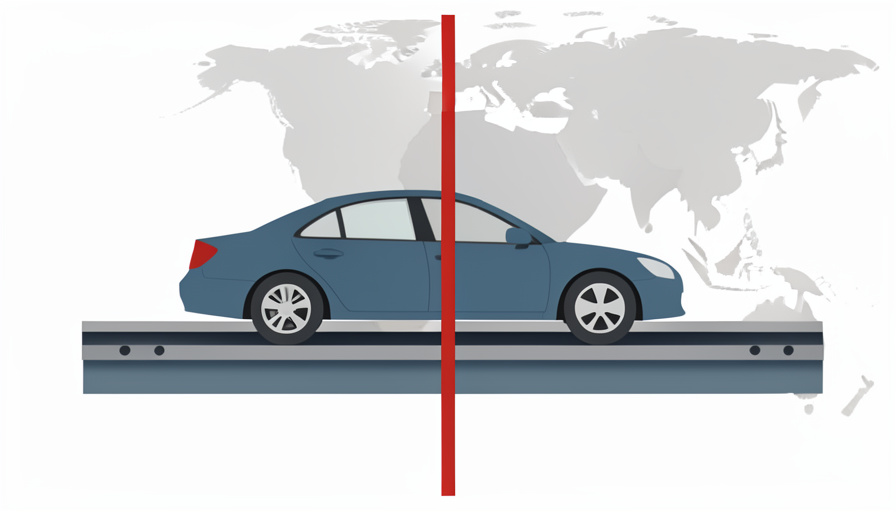
When trade talks between two neighbors break down, the damage rarely stays at the negotiating table. It travels along the supply chain, and few industries are wired across the US-Canada border as tightly as cars. A single vehicle can cross that border several times before it is finished, so a tariff fight lands on the auto sector with unusual force. That is why this particular breakdown matters well beyond the headlines about who blinked.
Talks between Washington and Ottawa collapsed in late August, and the auto industry moved straight into the crossfire. Tariffs are already in place, more are scheduled, and the companies that build vehicles are now doing the unglamorous math of who eats the cost. The story is less about political posturing and more about a manufacturing system that was designed for open borders suddenly having to price in friction it was never built for.
Quick Answer
US-Canada trade negotiations broke down in August 2026, and autos were central to the collapse. New US tariffs on Canadian goods, including cars and parts, took effect August 22, Canada’s retaliatory tariffs followed on September 8, and the US has said it will raise tariffs on Canadian vehicles, parts, and steel to 50% starting January 1, 2027. The auto industry is hit hardest because North American production runs on cross-border supply chains, with parts crossing multiple times before assembly. Large automakers can absorb or reroute some cost, but small parts suppliers are far more exposed, and buyers may eventually see higher prices or fewer choices. Nothing here is settled, and timelines could shift again.
Table of Contents
Why cars sit at the center of this fight
The auto industry is exposed in a way most sectors are not, and the reason is structural.

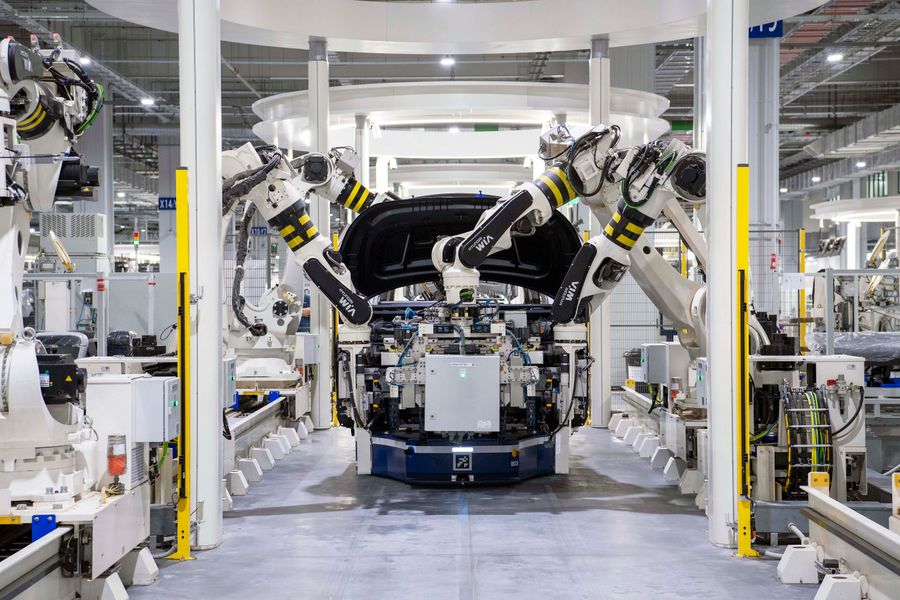
North American carmaking was designed as one integrated system rather than three national ones. A component might be forged in one country, machined in another, and installed in a third, with the same part crossing the border several times before a finished car rolls off the line. That design made vehicles cheaper and more efficient for decades. It also means a border tax does not hit a car once; it can hit the same value repeatedly as parts move back and forth. When talks broke down, that tightly stitched arrangement became the industry’s biggest liability, because there is no quick way to unpick a supply chain built over thirty years.
What has actually changed, and when
The timeline matters, because the pressure arrives in stages rather than all at once. New US tariffs covering roughly $20 billion of Canadian exports, including cars, trucks, and parts, took effect on August 22, 2026, as NPR reported. Canada answered with retaliatory tariffs on about US$20 billion of American goods starting September 8, including a doubling of steel and aluminum duties. The heavier blow is scheduled: the US has said it will raise tariffs on Canadian vehicles, parts, and steel to 50% beginning January 1, 2027. A deal that fell apart would reportedly have cut the US tariff on Canadian-built vehicles to 15%, so the collapse did more than hold the line. It set up an escalation.
Who actually absorbs the cost
This is where the effect splits sharply by company size. Large automakers have options: they can absorb tariffs for a while, shift some production, renegotiate with suppliers, or lean on inventory. Their stock prices took a hit after the 50% threat, with several major carmakers sliding in the days that followed, but they have balance sheets built to weather it. The smaller businesses further down the chain do not. A shop making bolts, fasteners, or steel rods for a single component runs on thin margins and cannot easily reroute around a border tax. For those suppliers, the tariffs are not an accounting adjustment; they are a threat to whether the business stays viable. The pain concentrates where the cushion is thinnest.
What it could mean for buyers
For anyone shopping for a vehicle, the effects are real but not instant. Tariffs raise input costs, and those costs eventually reach sticker prices, though carmakers often delay or spread the increase to avoid scaring off buyers. The likelier near-term signs are subtler: fewer incentives, thinner discounting, longer waits for certain models, or quiet changes to which trims and options are offered. If the 50% tariffs take hold in 2027, the pressure on prices and availability grows harder to absorb. None of this means panic-buying a car this week makes sense, but it does mean the affordability picture is tilting the wrong way, and the timing of a purchase may matter more than it did a year ago.
What businesses are watching next
A few signals will show whether this eases or deepens:
- Whether talks restart before the January 1, 2027 escalation, which is the date that turns pressure into serious pain.
- How small parts suppliers hold up, since they are the first link likely to break.
- Whether automakers begin reshoring or rerouting production, a slow and expensive move they avoid unless the friction looks permanent.
- How much cost reaches sticker prices versus getting absorbed upstream.
The auto sector has been through tariff scares before and usually adapts, but adaptation takes time and money, and both get more expensive the longer the standoff runs.
What To Know
- US-Canada trade talks collapsed in August 2026, with autos central to the breakdown.
- US tariffs hit August 22, Canada retaliated September 8, and a jump to 50% is set for January 1, 2027.
- Cars are uniquely exposed because parts cross the border repeatedly before assembly.
- Large automakers can absorb cost; small parts suppliers are far more vulnerable.
- Buyers may see higher prices, fewer incentives, or reduced availability over time.
Frequently Asked Questions
Why is the auto industry hit hardest by US-Canada tariffs?
Because North American vehicle production is a single cross-border system. Parts often cross the border several times before a car is finished, so a tariff can apply repeatedly along the chain. That integrated design, efficient for decades, is exactly what makes autos so exposed now.
When do the biggest auto tariffs take effect?
US tariffs on Canadian goods including cars and parts began August 22, 2026, and Canada’s retaliation started September 8. The larger increase, raising tariffs on Canadian vehicles, parts, and steel to 50%, is scheduled to begin January 1, 2027, unless talks resume before then.
Will car prices go up because of this?
Possibly, but not overnight. Tariffs raise input costs that eventually reach sticker prices, though automakers often delay or spread the increase. Nearer-term effects are more likely to show up as fewer incentives, thinner discounts, or reduced availability of certain models.
Who is most at risk from the tariffs?
Small parts suppliers. Large automakers can absorb costs, shift production, or draw on inventory, but a small shop making bolts or steel components runs on thin margins and cannot easily reroute around a border tax. The financial strain concentrates on those smaller businesses.
Could a new deal reverse the tariffs?
Yes, in principle. The collapsed agreement would reportedly have lowered the US tariff on Canadian-built vehicles, so a restart of talks could ease the pressure. Whether that happens before the January 2027 escalation is the key uncertainty the industry is watching.
The Bottom Line
The US-Canada trade breakdown reads like a political story, but its sharpest edge is industrial. Cars are built across that border by design, so a tariff fight cuts into the auto sector with unusual depth, and the damage falls unevenly, lightest on the big automakers and heaviest on the small suppliers holding the chain together. For buyers, the effect is a slow tilt toward higher prices and fewer deals rather than a sudden shock. The date to watch is January 1, 2027, when pressure is set to become pain. For more on the auto world and the business behind it, browse The Other Stream’s Autos section, or our Business coverage.