
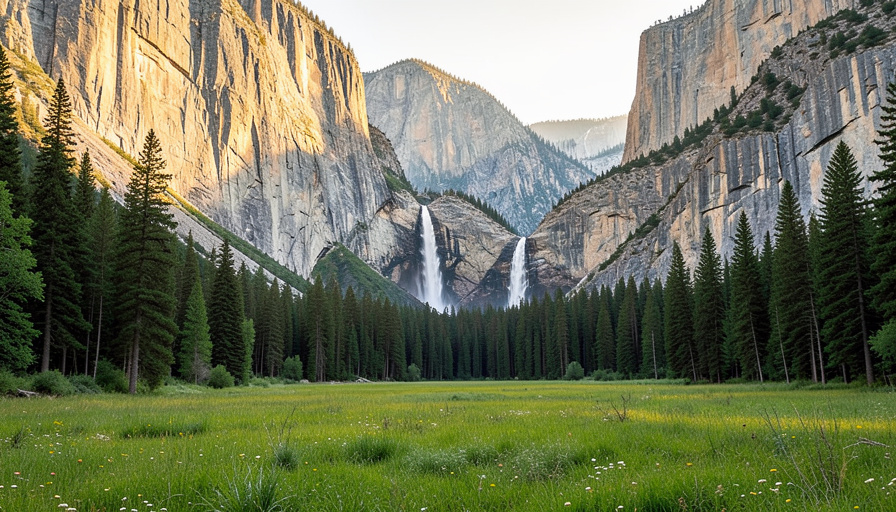
Yosemite is one of the most beautiful places in the country and, in July, one of the most congested. The trick to enjoying it is almost entirely about timing.
Here is the situation for 2026: the park dropped the timed-entry reservation system that governed recent summers, which is convenient, and also means nothing is throttling the number of cars pouring into Yosemite Valley on a July weekend. The scenery is worth every bit of the effort, but the difference between a transcendent day and a frustrating one comes down to a few choices you make before you arrive. This guide covers those choices: when to go, when to show up, and where to escape when the Valley fills.
Bottom line first
As of 2026, you do not need a reservation to drive into Yosemite, though this policy changes year to year, so confirm before your trip. Crowds have not gone anywhere, so beat them with timing instead: visit in spring or the shoulder months rather than peak summer, go on weekdays, and be through the gate before 6 a.m. or after 5 p.m. When the Valley gets busy, head for the high country or the park’s quieter southern corners, where the crowds thin out fast.
Table of Contents
Do you need a reservation in 2026?
For 2026, no. The National Park Service is not requiring a day-use or vehicle reservation to enter Yosemite this year. That said, this is exactly the kind of rule that flips from one year to the next, so check the official park page before you drive out, because assuming last year’s policy is how people end up stuck. Note too that dropping the entry reservation does not mean everything is walk-up: camping, in-park lodging, and the Half Dome cables still require their own reservations or permits, covered below.
The best times to go
Season does more to shape your day than any other single choice. A rough guide:
| When | What to expect |
|---|---|
| Spring, especially May | Waterfalls at their peak, wildflowers, and the summer crowds not yet arrived. The sweet spot. |
| April and October to November | Noticeably fewer people, mild weather, though some high roads may be closed early or late. |
| June to August | Peak everything, including hour-plus entry lines midday and packed trailheads. |
| Winter | Quiet and gorgeous, but Tioga and Glacier Point roads close with snow. |
If you have any flexibility, a weekday in May is the version of Yosemite people fall in love with. Whatever season you choose, weekdays beat weekends by a wide margin.
Beat the daily rush
Even in a busy month, the crowd follows a predictable clock, so you can dodge it. Between roughly 8 a.m. and 5 p.m. in summer, expect entry lines that can run over an hour and a genuine hunt for parking in the Valley. Arrive before 6 a.m. and you get quiet trailheads, open parking, and the best light for photos. Come after 5 p.m. and, according to the Park Service, you are far more likely to find a parking spot. The middle of the day is the part to plan around, not the park itself.
Where to escape the Valley
Most of the congestion is concentrated in a small area, because most visitors never leave the Valley floor and its famous viewpoints. Point the car elsewhere and the park empties out:
- Tuolumne Meadows, high in the park at over 8,000 feet, stays cool and calm while the Valley bakes in summer.
- Hetch Hetchy, a reservoir with a waterfall hike to Wapama Falls, sees a fraction of the traffic.
- Wawona and the Mariposa Grove of giant sequoias, in the quieter south, trade the Valley’s pace for big trees and meadow walks.
- Glacier Point delivers the iconic Half Dome view without standing shoulder to shoulder on the Valley floor.
For a guide to know before you go each year, the Yosemite Conservancy keeps current planning notes worth a look.
A crowd-smart day plan
If you only have a day, the shape that works is simple. Hit the Valley icons at dawn, before the gates back up, then drive out to the high country or Wawona for the middle of the day when the Valley is at its worst. Circle back to the Valley in the early evening, after 5 p.m., when the day-trippers leave and parking frees up. You will have seen the headline sights and the quiet ones, and spent the crush somewhere with room to breathe.
What still needs planning ahead
- Camping inside the park books out months in advance on Recreation.gov, so reserve early or plan to stay outside the park.
- In-park lodges are limited and popular, and they fill far ahead in summer.
- Climbing the Half Dome cables requires a permit issued by lottery, not a walk-up.
- Tioga Road and Glacier Point Road are seasonal and closed through winter and often into late spring, which affects the high-country options above.
Frequently asked questions
Do I need a reservation to visit Yosemite in 2026?
No day-use or vehicle reservation is required to enter Yosemite in 2026. Because this policy has changed frequently, confirm on the National Park Service site before your trip. Camping, lodging, and the Half Dome cables still need their own reservations or permits.
When is the best time to visit Yosemite?
Spring, especially May, is ideal, with peak waterfalls, wildflowers, and pre-summer crowd levels. April and the October-to-November shoulder are also quiet. Summer is the most crowded, and weekdays beat weekends in any season.
How do I avoid the crowds and traffic?
Time it: arrive before 6 a.m. or after 5 p.m. to skip the worst entry lines and parking crunch, and choose weekdays. Midday from June to August is the peak congestion window to plan around.
Which parts of Yosemite are less crowded?
Tuolumne Meadows, Hetch Hetchy, and the Wawona area with the Mariposa Grove all see far fewer people than the Valley floor. Glacier Point offers the classic Half Dome view with more breathing room.
Do I need a permit to hike Half Dome?
Yes. Climbing the Half Dome cables requires a permit awarded through a lottery, so you cannot simply show up and hike it. Plan and apply well ahead of your visit.
Closing thoughts
Yosemite rewards planning more than almost any park, and in a year with no entry reservation, that planning shifts entirely to timing and geography. Go in spring or a shoulder month, move early and late instead of midday, and be willing to leave the Valley for the high country when it fills. Do that and you get the Yosemite from the postcards, not the one from the traffic reports. For more destinations and trip planning, browse The Other Stream’s Travel section, and our piece on why so many places blur together makes the case for seeking out somewhere this specific.