
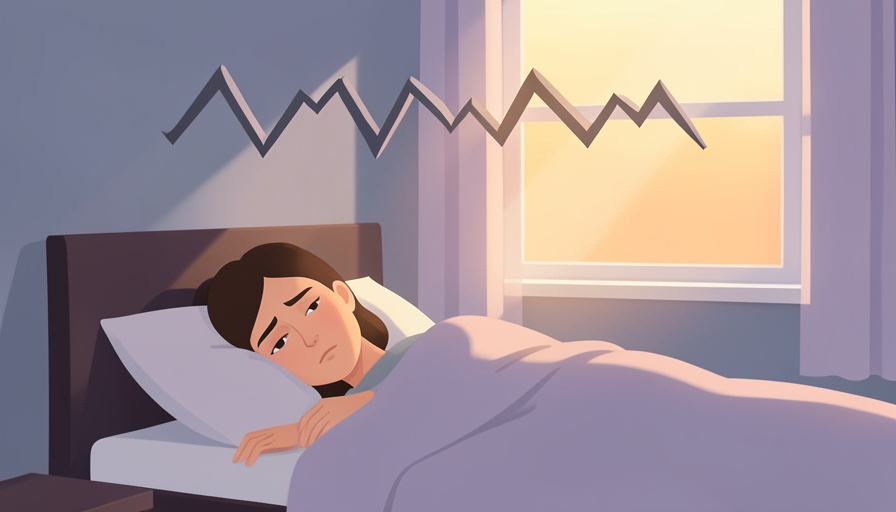
“I slept eight hours and I feel like I got hit by a truck.” Some version of that sentence is all over social feeds right now, and it resonates because so many people live it. You do everything right, get to bed on time, log a full night, and still wake up as though you never rested. The comforting news is that this is a real, recognized problem with real causes. The important news is that “enough hours” and “good sleep” are not the same thing, and the gap between them is worth paying attention to.
Sleep clinics report rising interest as more people realize that persistent morning exhaustion is not something to just push through. When you are consistently tired after adequate time in bed, the issue is usually not duration but quality: something is interrupting the deep, restorative stages your brain and body need. Understanding what can cause that, and knowing which signs warrant a real evaluation, is genuinely useful, because some of the culprits are common, serious, and very treatable.
What Matters Most
Waking up tired after a full night usually points to a quality problem, not a quantity one. Your sleep may be fragmented, cutting short the deep and REM stages that actually restore you. The most common and most underdiagnosed cause is obstructive sleep apnea, where breathing repeatedly stops and starts, along with insomnia, restless legs, circadian rhythm issues, and conditions like depression or thyroid problems. Red flags that warrant seeing a doctor or sleep clinic include loud snoring with gasping or witnessed breathing pauses, severe daytime sleepiness, and morning headaches. Evaluation ranges from a sleep diary to an overnight sleep study, and treatments like CPAP for apnea or CBT for insomnia work well. This is general information, not medical advice.
Table of Contents
Why hours in bed aren’t the whole story
The core misunderstanding is treating sleep as a simple time total.


Sleep is not one flat state; it cycles through light, deep, and REM stages, and the restorative work happens mostly in deep and REM. During those phases the brain clears waste, repairs tissue, and consolidates memory. If something keeps fragmenting your night, waking you briefly again and again, or preventing you from reaching those deep stages, you can spend eight hours in bed and still miss most of the recovery. That is why duration alone is misleading. A person sleeping seven hours of solid, uninterrupted sleep can wake far more refreshed than someone who logged nine broken ones. When people online say “duration is not the real problem,” they are onto something.
The usual suspects behind unrefreshing sleep
Several conditions commonly steal the quality of your sleep, and they are worth knowing by name. The big one is obstructive sleep apnea, where the airway repeatedly narrows or collapses, briefly interrupting breathing dozens or hundreds of times a night, often without you fully waking. It is both extremely common and frequently undiagnosed, which is why it tops the list, and health authorities flag it as a leading reason people feel constantly tired. Others include insomnia and light, fragmented sleep; restless legs syndrome and periodic limb movements that disrupt the night; circadian rhythm problems, where your internal clock is misaligned with your schedule; and medical or mental-health conditions such as depression, chronic pain, thyroid issues, and chronic fatigue. Substances and some medications, including alcohol close to bedtime, also degrade sleep quality even when they help you fall asleep.
The red flags that mean “get this checked”
Most tired mornings are not an emergency, but certain signs point toward a condition worth evaluating rather than tolerating. Take note if you or a partner observe loud, chronic snoring paired with gasping, choking, or pauses in breathing during sleep, which are classic signs of sleep apnea. Other warning signs include overwhelming daytime sleepiness that interferes with driving or work, frequent morning headaches, and, more rarely, sudden episodes of muscle weakness triggered by emotion, which can signal narcolepsy. Persistent, unexplained exhaustion despite consistently adequate sleep is itself a reason to talk to a doctor, since it can flag both sleep disorders and other medical issues. These are not signs to power through indefinitely.
How it actually gets evaluated
Getting answers is more approachable than many people expect. Evaluation often starts simply, with a conversation about your sleep habits, a sleep diary, and sometimes a wearable that tracks your rest patterns over time. If a disorder like apnea is suspected, the next step may be a sleep study, either an overnight test in a lab that monitors your breathing, heart, brain activity, and movement, or in many cases a simpler home sleep test. None of it is painful, and the goal is to see what is actually happening while you are asleep, which you cannot observe yourself. That data is what turns vague, chronic tiredness into a specific, treatable diagnosis.
This article is general health information and is not medical advice. Persistent fatigue can have many causes, some serious, so consult a qualified healthcare professional about your own symptoms and the right evaluation for you.
The reassuring part: most causes are treatable
Here is the genuinely hopeful side of this. The common causes of unrefreshing sleep tend to respond well to treatment once identified. Sleep apnea is often managed effectively with CPAP therapy or other options, and many people describe the improvement as life-changing after years of exhaustion. Insomnia responds well to cognitive behavioral therapy designed for it, often better than to medication. Restless legs tied to low iron can improve with treatment, circadian issues respond to light and schedule adjustments, and general sleep quality improves with consistent routines and better sleep habits. The frustrating mystery of “why am I always tired” usually has a findable, fixable answer, which is exactly why the rising attention to it is a good thing.
What To Know
- Waking up tired after enough sleep usually reflects poor sleep quality, not too few hours.
- Fragmented sleep cuts short the deep and REM stages that actually restore you.
- Obstructive sleep apnea is the most common and most underdiagnosed cause.
- Loud snoring with gasping, witnessed pauses, severe daytime sleepiness, and morning headaches are red flags.
- Evaluation ranges from a sleep diary to a sleep study, and most causes are treatable.
Frequently Asked Questions
Why am I tired after eight hours of sleep?
Usually because your sleep quality is poor, not your quantity. Something, often sleep apnea, restless legs, stress, or fragmented sleep, is interrupting the deep and REM stages that restore you. You can spend eight hours in bed and still miss most of the recovery your body needs.
How do I know if I have sleep apnea?
Common signs include loud, chronic snoring with gasping or choking, witnessed pauses in breathing, morning headaches, and heavy daytime sleepiness. A partner often notices the breathing interruptions first. If these apply, a doctor can arrange a sleep study to confirm it. It is very treatable.
When should I see a doctor or sleep clinic?
See a professional if you consistently wake unrefreshed despite adequate sleep, or if you have red flags like snoring with gasping, witnessed apneas, severe daytime sleepiness, or frequent morning headaches. Persistent unexplained fatigue is a valid reason to get checked rather than tolerate it.
What happens during a sleep study?
A sleep study monitors your breathing, heart rate, brain activity, and movement while you sleep, either overnight in a lab or with a simpler home test. It is painless and shows what is actually happening during your sleep, which helps turn chronic tiredness into a specific, treatable diagnosis.
Can unrefreshing sleep be fixed?
Often, yes. Sleep apnea responds well to CPAP and other treatments, insomnia to cognitive behavioral therapy, restless legs sometimes to iron treatment, and circadian issues to light and schedule changes. Identifying the specific cause is the key step, which is why evaluation matters.
The Bottom Line
The flood of “I slept enough and I’m still exhausted” posts is more than a mood; it reflects a real and common problem that people are finally taking seriously. The key shift is understanding that good sleep is about quality as much as hours, and that persistent morning tiredness can point to conditions that are both important and treatable. If that describes you, especially with any red-flag signs, it is worth a conversation with a professional rather than another resigned cup of coffee. For more on sleep and staying well, browse The Other Stream’s Health section.