
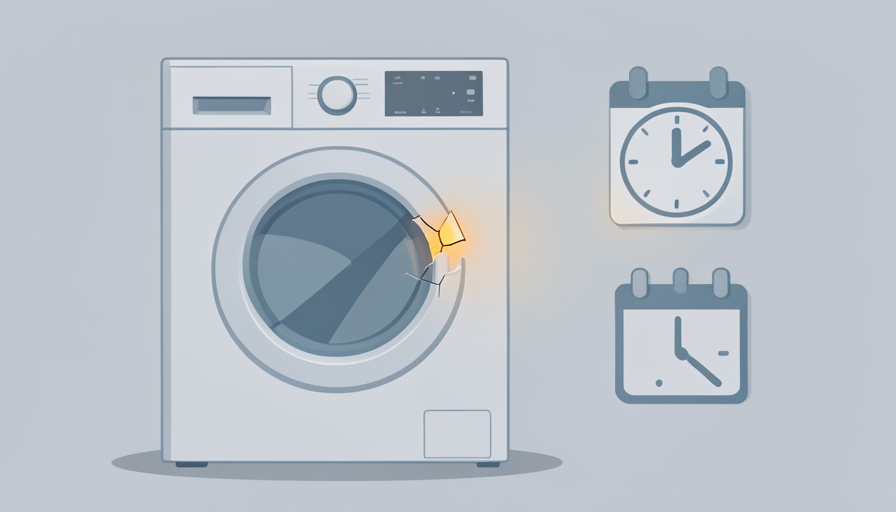
There is a specific kind of modern rage reserved for the moment a four-year-old refrigerator dies, a technician traces it to a cracked plastic clip that would cost a couple of dollars to make, and then explains the manufacturer will not sell that clip on its own. Your options are a $200 assembly or a new fridge. Meanwhile, the avocado-green one in your parents’ garage has been running since the Carter administration. That contrast is not your imagination, and it is worth understanding.
Complaints about appliances failing early and being impossible to fix have gone from grumbling to a genuine consumer movement. The frustration is real, and so are the reasons behind it. Appliances really do fail sooner than they used to, the parts to fix them really are harder to get, and the causes are a mix of engineering choices, cost pressure, and business incentives. Here is what is actually going on, and what you can do to get more years out of what you buy.
In Brief
Modern appliances tend to last far less time than older ones, often around 8 to 15 years versus the two or three decades common decades ago, with some units needing a first repair within five years. French-door refrigerators and front-load washers are among the most repair-prone. The main causes are more electronics and computerized control boards that fail more than the mechanical parts they replaced, a shift from metal to cheaper plastic components, intense price competition that squeezes quality, and industry consolidation. Compounding it, manufacturers often will not sell small individual parts, forcing costly full-assembly replacements, and may stop making parts after a handful of years. Right-to-repair laws are starting to push back. You can extend lifespan with maintenance and smarter buying.
Table of Contents
Appliances really do die younger
This is not nostalgia talking. The lifespans have genuinely shrunk.

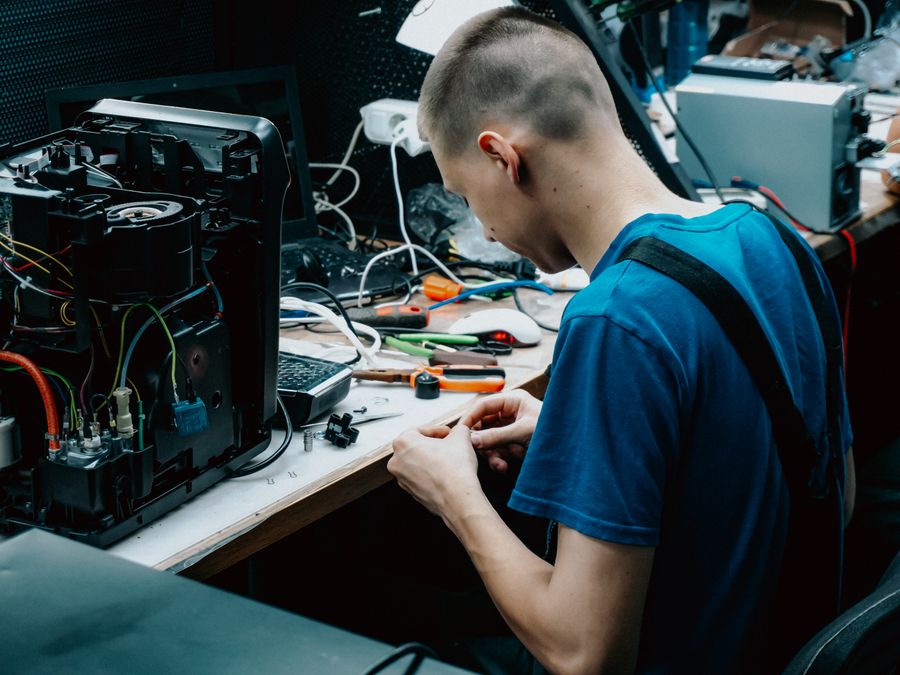
A refrigerator from the 1970s could run for thirty years. A washing machine from the 1960s routinely lasted two or three decades with basic care. Today, estimates put the typical appliance lifespan closer to 8 to 15 years, and a meaningful share need their first repair within the first five, as repair specialists note. Certain designs fare worse than others: French-door refrigerators and front-load washers, both popular and feature-heavy, sit near the top of the repair-rate charts. So when it feels like your new machines do not last the way the old ones did, the data backs you up. The question is why.
Why they fail sooner
Several forces push in the same direction, and no single one is the whole story. Modern appliances carry far more electronics, sensors, displays, and computerized control boards than their mechanical ancestors, and every added component is one more thing that can fail, with the boards themselves proving less durable than the timers and switches they replaced. Materials shifted too, from steel to lighter, cheaper plastic and aluminum that crack, warp, and cannot be repaired once they break. Underneath it all is brutal price competition: an entry-level washer that would cost well over a thousand dollars in today’s money back in the 1970s now sells for half that, and something has to give to hit that price, usually the durability of the materials and assembly. Industry consolidation into fewer, larger manufacturers has reduced the pressure to compete on longevity.
The parts problem is its own scandal
Even when a repair should be trivial, the parts system often blocks it, and this is where consumer anger concentrates. A tiny plastic clip or a single sensor fails, but the manufacturer refuses to sell that piece by itself, so you are forced to buy a large assembly for a hundred dollars or more, or told the economical move is a whole new appliance. On top of that, some brands stop producing replacement parts within a handful of years of a model’s run ending, which strands anyone whose machine outlives the parts supply. The result is a system that quietly nudges you from repair toward replacement, which is expensive for you and wasteful for everyone. Repair technicians describe it as the single biggest change in the job.
Right to repair is starting to push back
There is a genuine countercurrent worth knowing about. Right-to-repair legislation has been gaining ground, aimed squarely at this problem. California’s Right to Repair Act, for example, requires manufacturers to make repair parts, tools, and documentation available to consumers and independent shops for years after a product’s last sale, and similar efforts are spreading. The point of these laws is to break the parts bottleneck, so a cracked clip can be a cheap fix again instead of a reason to junk a working machine. Progress is uneven and varies by location, but the momentum matters, because it targets exactly the practice that turns a small failure into a big bill.
How to get more life out of what you buy
You cannot fix the whole industry, but you can tilt the odds in your favor with a few habits:
- Favor simpler models. Fewer electronic bells and whistles means fewer parts to fail, and often a longer life.
- Check repairability before buying. Look up how available parts are for a brand and whether independent techs will touch it.
- Do the basic maintenance. Clean filters and coils, avoid overloading, and address small issues before they cascade.
- Weigh repair honestly. A repair under roughly half the cost of replacement, on an appliance not near the end of its expected life, is usually worth it.
- Keep documentation and buy from brands with a real parts and service network.
None of this restores the thirty-year fridge, but it can be the difference between a machine that lasts eight years and one that lasts fifteen.
What To Know
- Modern appliances often last 8 to 15 years, down from the two or three decades common in older models.
- More electronics, cheaper plastic parts, price competition, and consolidation all shorten lifespans.
- Manufacturers frequently will not sell small parts, forcing costly assembly or full replacement.
- Right-to-repair laws are starting to require better parts availability.
- Simpler models, maintenance, and checking repairability help you get more years out of a purchase.
Frequently Asked Questions
Why don’t appliances last as long as they used to?
Because they carry more failure-prone electronics, use cheaper plastic instead of metal, and are built to hit lower price points, all of which cut durability. Industry consolidation has also reduced competition on longevity. Together these shrank typical lifespans from decades to roughly 8 to 15 years.
Why can’t I just buy the small broken part?
Many manufacturers only sell larger assemblies rather than individual pieces, so a cracked clip forces you to buy an expensive part or replace the appliance. Some also stop making parts within a few years. Right-to-repair laws aim to change this by requiring parts availability.
Which appliances break the most?
Feature-heavy designs like French-door refrigerators and front-load washing machines tend to have the highest repair rates, with a notable share needing service within the first five years. Simpler, less electronic models generally prove more reliable over time.
Is it worth repairing an appliance or replacing it?
A useful rule of thumb: if the repair costs less than about half the price of a replacement and the appliance is not near the end of its expected lifespan, repairing is usually the better value. Beyond that, replacement often makes more sense.
Does right to repair actually help?
It is designed to. These laws require manufacturers to provide parts, tools, and documentation, which can make small repairs affordable again instead of forcing replacement. Coverage varies by location and is still expanding, but it targets the exact bottleneck driving early appliance disposal.
The Bottom Line
The four-year appliance failure is a real phenomenon with real causes: more electronics, cheaper materials, relentless price pressure, and a parts system that steers you toward buying new. The good news is that you are not powerless. Simpler machines, honest maintenance, and a look at repairability before you buy all buy you time, and right-to-repair momentum is slowly attacking the parts problem at its root. Your next appliance may never match the garage relic, but it does not have to die at four either. For more on maintaining and improving your home, browse The Other Stream’s Home Improve section.