
A £21 million public contract, awarded to a single company, with no competing bids invited. On paper that sounds like a scandal. The reality is a legal but contentious procurement move, and the details explain why it drew fire from MPs rather than a shrug.
When Britain’s National Energy System Operator quietly extended its deal with Palantir, the number that caught attention was not really the £21 million. It was the “no other bidders” part. In public procurement, competition is the default expectation, so a direct award to one vendor invites an obvious question: why was no one else allowed to bid? The answer is technical, defensible, and exactly the kind of thing that makes people uneasy about how critical infrastructure gets bought.
Bottom Line First
Britain’s National Energy System Operator, or NESO, awarded Palantir a contract worth about £21 million including VAT without inviting competitive bids, running from September 2026 to July 2027. NESO justified the no-bid award using a legal exemption that applies when existing technical dependencies leave no feasible alternative, in this case Palantir’s Foundry software, which already runs systems managing grid connections. The deal is an extension of a 2023 agreement that had not been publicly disclosed before. Critics, including MPs, warn it deepens vendor lock-in and Britain’s reliance on Palantir across sensitive services. NESO says it will open the work to other bidders later.
Table of Contents
What the contract actually covers
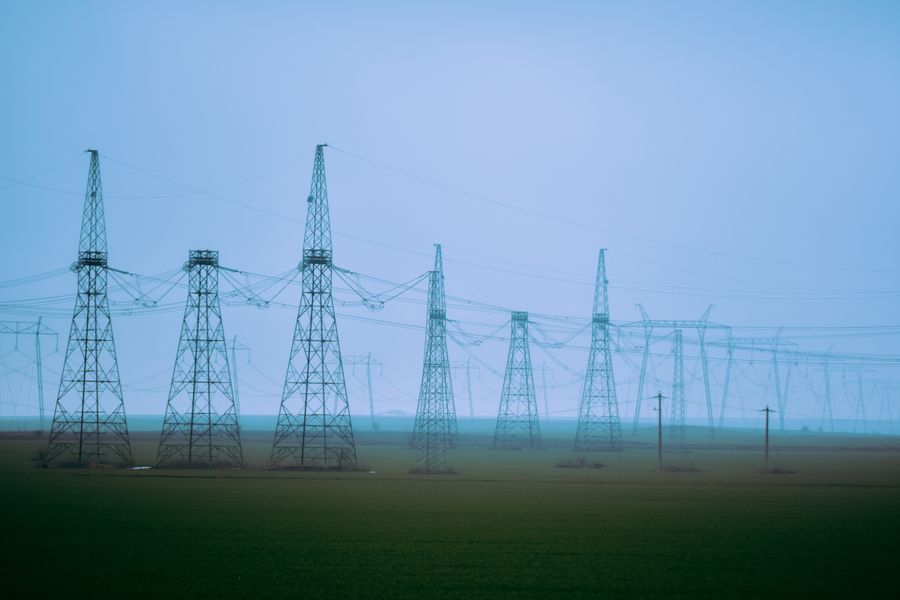
This is not a vanity software deal. The contract covers the system that manages connections to the electricity grid and monitors “skip rates,” the rate at which more expensive power sources get used when cheaper ones are available, as The Register reported. In other words, Palantir’s software sits close to the operational core of how Britain’s grid decides what power to dispatch. The precise figures are £17,700,270 before VAT and £21,240,324 with it, for a term running from September 8, 2026 to July 31, 2027.
That scope matters, because the more central a system is to critical infrastructure, the more the “who controls it” question stops being a procurement footnote and starts being a national-resilience one.
How a “no-bid” award is even allowed
Here is the part that surprises people who assume competition is always required.
NESO said it could not invite rival bids for “technical reasons,” relying on a procurement exemption that removes the duty to consider other suppliers when existing dependencies mean there is no feasible alternative. Because the grid systems already run on Palantir’s Foundry, the argument goes, swapping in a competitor mid-stream was not realistically possible, so a direct award was permitted. This is a genuine, lawful route, not a loophole someone invented. The catch is that it is also self-reinforcing: the reason there is no alternative is that Palantir was chosen before, which is precisely the dynamic critics worry about.
Why the disclosure raised eyebrows
The extension itself is one issue. How it came to light is another. The contract extends an agreement that began back in 2023 but had not been publicly disclosed until now. So the story goes beyond “no competition” to an existing, undisclosed dependency the public is learning about after the fact. For anyone tracking how much of Britain’s critical infrastructure Palantir touches, discovering a years-old arrangement through a contract extension is not reassuring. Transparency is supposed to be the safeguard when competition is waived, and a late disclosure undercuts it.

The vendor lock-in concern
Underneath the specific deal sits the real worry, and it is a familiar one in public IT. Vendor lock-in happens when switching away from a supplier becomes so costly or disruptive that the buyer effectively cannot. Each renewal then justifies itself on the same “no feasible alternative” grounds, and the dependency deepens with every cycle. MPs have warned that Britain has become too reliant on Palantir across sensitive public services, from health data to defense, and the grid deal is another brick in that wall. The concern is not that Palantir’s software is bad. It is that a single foreign vendor sitting inside multiple critical systems is a concentration risk regardless of how good the product is.
What happens next
NESO has said it intends to open the areas covered by this contract to other bidders at a later stage, which would be the natural point to test whether the lock-in is as absolute as the exemption implies. Worth watching:
- Whether the later competitive tender actually materializes, or the “temporary” direct award keeps renewing.
- How much of Britain’s critical infrastructure runs on a single vendor once all the disclosures are counted.
- Whether procurement rules get tightened so undisclosed dependencies cannot build up unnoticed.
- What exit and data-portability terms the contract includes, since those decide how real any future competition can be.
What To Know
- NESO awarded Palantir a roughly £21 million contract with no competing bids, running to July 2027.
- The no-bid award used a legal exemption for cases with no feasible alternative to existing software.
- The deal extends a 2023 agreement that had not been publicly disclosed before now.
- Critics warn it deepens vendor lock-in and Britain’s reliance on Palantir across sensitive services.
- NESO says it will open the work to other bidders later, which is the key promise to watch.
Frequently Asked Questions
How can a public contract be awarded with no bids?
Procurement rules include exemptions that waive competition in specific cases, such as when existing technical dependencies mean no other supplier can feasibly do the work. NESO cited that exemption because its grid systems already run on Palantir’s Foundry software.
What does the Palantir NESO contract cover?
It covers software managing connections to Britain’s electricity grid and monitoring “skip rates,” the rate at which more expensive power sources are used over cheaper ones. The deal is worth about £21 million including VAT and runs from September 2026 to July 2027.
Why is the deal controversial?
Because it was awarded without competition, extends a previously undisclosed 2023 agreement, and deepens reliance on a single vendor for critical infrastructure. MPs have warned that Britain is becoming too dependent on Palantir across sensitive public services.
What is vendor lock-in and why does it matter here?
Vendor lock-in is when switching away from a supplier becomes so costly or disruptive that it is impractical. It matters because each renewal can then be justified as having “no alternative,” entrenching the dependency and reducing future competition regardless of the product’s quality.
Will other companies get to bid later?
NESO has said it plans to open the areas covered by the contract to other bidders at a later stage. Whether that competitive tender actually happens, rather than the direct award simply renewing, is the main thing to watch.
The Bottom Line
The Palantir grid contract is a clean example of how lawful procurement and public concern can point in opposite directions. NESO had a legal basis for the no-bid award, and switching a live critical system mid-stream really is hard. But a growing stack of undisclosed dependencies on one vendor is exactly how a country ends up with no alternatives to test. The deal is defensible on its own; the pattern it belongs to is the part worth scrutinizing. For more on business, policy, and infrastructure, browse The Other Stream’s Business section, or our Tech coverage.
Related Posts