Are Friendly ‘Wrong Number’ Texts a New Scam?
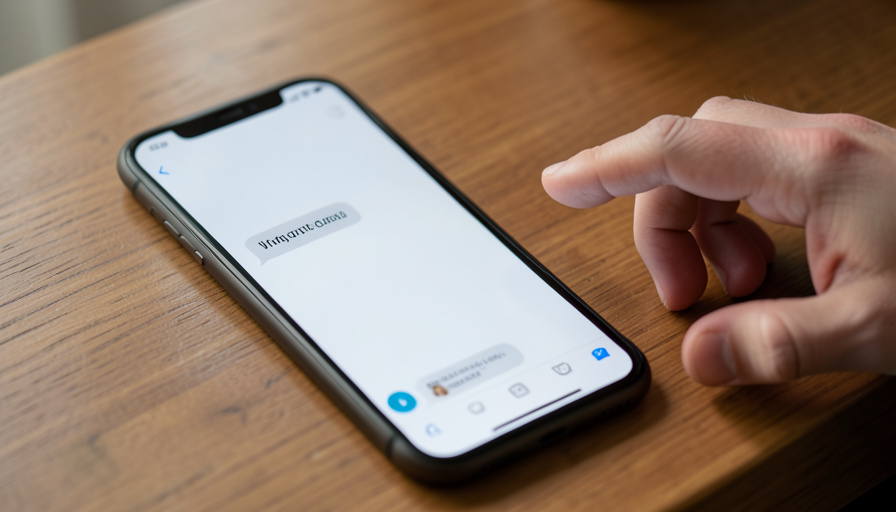
“Hi Jessica, are we still on for lunch Thursday?” You do not know a Jessica, so you reply that they have the wrong number. They apologize warmly, you exchange a friendly line or two, and a week later you are somehow still texting a total stranger. That is not luck. It is a script.
The friendly “wrong number” text is one of the most common openings for a specific and enormous scam, and most people who fall for it never see it coming because it does not feel like a scam at all. It feels like a nice accident that turned into a pleasant chat. Understanding how the play works, and why you should not even reply, is the whole defense. Here is what is really going on when a wrong number gets a little too friendly.
Bottom line first
Yes, friendly wrong-number texts are very often the first step of a “pig butchering” scam, a long con that blends fake romance or friendship with a crypto investment trap. The stranger is not confused about your number; they are fishing. They will try to move you to WhatsApp, build trust over days or weeks, then steer you toward a can’t-lose investment on a platform they control. The safest response is no response at all: do not reply, block and delete, and report it. Replying, even to say “wrong number,” tells them a real person is on the line.
Table of Contents
Yes, and it is a huge, specific scam
This is not vague paranoia about strangers. The wrong-number opener is a known entry point for what investigators call pig butchering, named from a Chinese phrase for fattening a pig before slaughter. The scammer “fattens” the target with attention and fake investment gains, then takes everything. It is staggering in scale: the FTC has tied more than a billion dollars in losses across tens of thousands of victims to these investment scams, with individual losses often in the six figures over months. And contrary to what people expect, it usually does not start on a dating app. It starts with a random text or message that looks like a simple mistake.
How the conversation is designed to unfold
The whole thing follows a patient, deliberate arc, which is what makes it effective:
- The opener: an out-of-the-blue text meant for someone else, warm and casual, inviting a polite reply.
- The pivot: they suggest moving the chat to WhatsApp or Telegram, away from your phone’s spam tools.
- The build: days or weeks of friendly, flattering conversation that feels like a real bond forming.
- The pitch: they mention how well they are doing with crypto or a special trading platform, and offer to help you try it.
- The trap: a slick app shows your “investment” growing, they may even let you withdraw a small amount to build trust, then encourage bigger deposits.
- The reveal: when you try to cash out for real, you are told you owe “fees” or “taxes” first. Being asked to pay money to unlock your money is the unmistakable sign it was all fake.
The tells to watch for
You can spot it early if you know the signals. A stranger who texts the wrong number and is oddly eager to keep chatting is the first flag. A quick push to move onto WhatsApp or Telegram is the second, because it gets you off SMS where blocking and reporting are easy. From there, watch for any drift toward money: talk of crypto, trading, or a can’t-miss opportunity, especially with screenshots of big returns. Guaranteed profits, urgency, and above all a demand to pay a fee before you can withdraw are the clearest signs of a scam. Real investments do not work by charging you to access your own balance.
Why you should not reply at all
The instinct to be polite is exactly what the scam relies on. Here is the uncomfortable truth: replying at all, even a curt “you have the wrong number,” confirms to the sender that your number is active and that a real, responsive person is behind it. That alone can move you up the list for more scam attempts. These messages are blasted out by the thousands, and a reply is a signal. The correct move is to treat an unsolicited text from an unknown number like spam you never engage with, however friendly it seems.
What to actually do
The response is quick and final:
- Do not reply, and do not click any link the message contains.
- Block the number and delete the conversation.
- On most U.S. phones, forward the spam text to 7726, which spells SPAM, to report it to your carrier.
- Report the scam to the FTC at reportfraud.ftc.gov and, if there is a financial angle, to the FBI’s Internet Crime Complaint Center.
None of this takes more than a minute, and it protects both you and the next person the number targets.

If you have already sent money
If the con already got to the investment stage, stop sending anything immediately, because no fee will ever release funds that do not exist. Then act fast: screenshot every conversation, the fake platform, your “balance,” any wallet addresses, and every transaction, then report it to your bank, to any crypto exchange you used, and to the FTC and FBI. Some exchanges can flag or freeze associated accounts, and speed matters. Losing money to this is not a sign you are foolish; these operations are professional and relentless. Reporting it is the most useful thing you can do next.
This article is general information, not legal or financial advice. If you are dealing with fraud or a financial loss, contact your bank and the relevant authorities, and consider a qualified professional for your situation.
Frequently asked questions
Are wrong number texts always a scam?
Not always, but a genuine wrong number ends when you say so. If the stranger keeps chatting, turns friendly, and especially if they push to move to WhatsApp or mention investments, treat it as a scam. The safest approach is not to reply to unknown numbers at all.
What is a pig butchering scam?
A long con that mixes fake romance or friendship with crypto investment fraud. The scammer builds trust over weeks, shows fake investment gains on a platform they control, then steals everything, often revealed when you are told to pay “fees” to withdraw.
Should I reply to say they have the wrong number?
No. Any reply, even a polite correction, confirms your number is active and reaches a real person, which can invite more scam attempts. Block, delete, and report instead of responding.
Why do scammers move the chat to WhatsApp?
To get you off standard texting, where blocking and reporting are simple, and onto an app where they can build rapport and share images more freely. A quick push to switch messaging apps is a common early warning sign.
How do I report a scam text?
Forward the spam text to 7726 (SPAM) to alert your carrier, block the number, and report the scam to the FTC at reportfraud.ftc.gov. If money was involved, also file with the FBI’s Internet Crime Complaint Center and notify your bank.
The bottom line
A wrong-number text that keeps getting friendlier is not a happy accident, it is the opening line of a scam built to be patient and convincing. The stranger is fishing, the goal is an investment trap, and the giveaway is any request to pay a fee to access your own money. Do not reply, block and report, and never let politeness talk you into a conversation you did not choose. For another common trap worth knowing, see our guide on how to tell a real online giveaway from a scam, and browse The Other Stream’s Tech section for more.