You want to stop fumbling for keys and hand a code to the dog walker, but your lease is clear: do not alter the locks. It feels like the two are incompatible. They are not. The smart locks built for renters never touch the part your landlord cares about.
The trick is that the best renter smart locks are retrofit or adhesive devices that mount on the inside of your door and leave the exterior keyway completely alone, so your landlord’s key still works and nothing is permanently changed. Get the setup right and you get keyless entry with a fully reversible install and your deposit intact. Here are ten checks to run before you buy and mount one.
What to know
Choose a retrofit or adhesive smart lock, not a full replacement, because those keep your existing deadbolt, cylinder, and your landlord’s key untouched. A retrofit lock like the August replaces only the interior thumbturn with screws, while adhesive locks like SwitchBot or Sesame stick on and peel off with no trace. Check your lease and tell your landlord anyway, since most approve a removable device. Then confirm it fits your deadbolt, keep a physical key as backup, and save every original part for move-out. That is the whole game.
Table of Contents
1. Pick a retrofit or adhesive lock, not a replacement
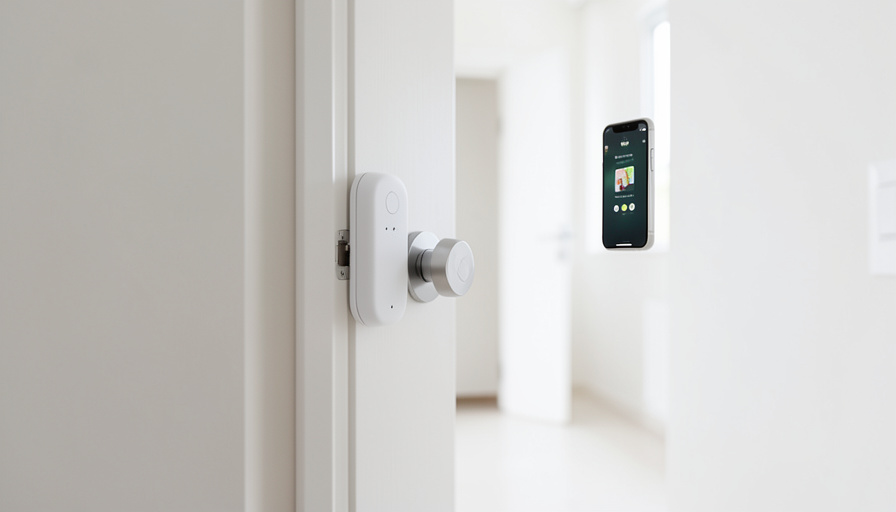
This one decision makes everything else work. Full-replacement smart locks swap the whole deadbolt, including the exterior hardware, which is exactly what a lease usually forbids. Renter-friendly locks instead mount on the inside and turn your existing deadbolt for you. The August Wi-Fi Smart Lock is the classic retrofit, and adhesive models go on with tape and no tools at all. Start from that category and you have already solved the hardest part of the problem.
2. Read your lease and ask the landlord anyway
Even a removable device deserves a heads-up. Many leases forbid altering locks, and although a retrofit changes nothing permanent, it is smart to check the wording and ask permission. Landlords usually say yes once they understand the lock is fully removable and their key still works, and getting that agreement in writing protects your deposit. Framing it as “a device I add to the inside that leaves your lock and key exactly as they are” makes the answer easy.
3. Confirm it fits your deadbolt
Not every retrofit fits every door. These locks are designed for a standard single-cylinder deadbolt with an interior thumbturn, so measure yours and check the manufacturer’s compatibility list before buying. Unusual, oversized, or high-security deadbolts can be a problem for some models, though certain adhesive locks work with almost any key. A five-minute compatibility check saves you the hassle of returning a lock that will not seat properly.
4. Choose your install type: adhesive or interior mount
There are two renter-safe ways to attach one. Adhesive locks, like SwitchBot or Sesame, stick to the door with heavy-duty tape, install in about ten minutes with no tools, and peel off cleanly when you leave. Interior-mount retrofits like August replace the inside thumbturn using the existing screws. Both are reversible, but keep the original thumbturn and screws for the retrofit so you can put it back exactly as it was. Pick adhesive for the most hands-off, tool-free option.
5. Make sure the outside key still works
This is the renter’s non-negotiable. Because these locks leave the exterior cylinder untouched, your key and your landlord’s key keep working exactly as before, which matters for emergencies, maintenance access, and your lease. Confirm the model you choose is one of the retrofit or adhesive types that preserve the outside keyway, rather than a replacement that removes it. Keeping normal key access is often the difference between a landlord saying yes and no.
6. Check the batteries and a backup plan
A smart lock that dies is just a locked door. Check what batteries it uses, how long they last, and whether it sends low-battery alerts well before it quits. Then keep your physical key on you or somewhere safe as a backup, so a dead battery never locks you out. The best habit is to swap batteries at the first warning rather than waiting, and to never rely on the lock as your only way in.
7. Decide what connectivity you actually need
Locks vary in how they connect. Some are Bluetooth-only, working only when your phone is nearby, while others include Wi-Fi or need a small bridge to let you lock and unlock remotely and check the door from anywhere. If you only want auto-unlock as you arrive, Bluetooth is enough; if you want to let someone in while you are out, you need Wi-Fi. Match the feature to your real use so you are not paying for a hub you will not use.

8. Add a keypad the reversible way
If you want true keyless entry and guest codes, add a keypad. Many renter locks offer one that mounts outside with adhesive, which is exactly what you want, since it sticks on and peels off without drilling into the door or frame. That gives visitors and cleaners a temporary code without a key, while keeping the install as reversible as the lock itself. Avoid any keypad that requires screwing into the door.
9. Set auto-lock, but keep a manual backup
Auto-lock is one of the best features, quietly locking the door behind you so you never wonder if you did. Turn it on, but pair it with the discipline of carrying a key, because auto-lock plus a dead battery or a glitch is a classic way to get stranded outside. The smart features are the convenience; the physical key remains the safety net, and you want both.
10. Plan the move-out before you install
Think about leaving on the day you arrive. Keep the original thumbturn, screws, and all packaging in one labeled bag, and take a quick photo of the deadbolt’s original state. At move-out, remove the lock, restore the interior hardware exactly, and clean off any adhesive residue with the manufacturer’s method so the door looks untouched. Done right, you take your smart lock to the next place and leave no evidence you were ever there.
This article is general information, not legal advice. Lease terms differ, so read yours and confirm with your landlord before installing anything, even a removable device.
Frequently asked questions
Can renters install a smart lock without replacing the deadbolt?
Yes. Retrofit locks mount on the interior thumbturn and adhesive locks stick to the inside of the door, both leaving the exterior deadbolt and keyway untouched. Your landlord’s key keeps working, and the install is fully reversible at move-out.
What is the best smart lock for renters?
A retrofit like the August Wi-Fi Smart Lock, which keeps the existing key, or an adhesive model like SwitchBot or Sesame that installs with tape and no tools. All preserve the outside key and remove cleanly, which is what makes them renter-friendly.
Do I need my landlord’s permission for a smart lock?
Check your lease and ask regardless. A removable retrofit changes nothing permanent and keeps their key working, so most landlords approve once they understand that. Getting the okay in writing protects your deposit if the lease restricts lock changes.
Will the original key still work with a retrofit smart lock?
Yes. Retrofit and adhesive smart locks leave the exterior cylinder alone, so your key and your landlord’s key work exactly as before. Only full-replacement locks remove the original keyway, and those usually require landlord approval.
What happens if the smart lock battery dies?
The lock stops responding, which is why you keep a physical key as backup and act on low-battery alerts early. Choose a model that warns you well in advance, and never rely on the smart lock as your only way into the home.
The bottom line
You do not have to choose between keyless entry and your lease. Renter smart locks mount inside and leave the deadbolt and key untouched, so pick a retrofit or adhesive model, clear it with your landlord, confirm it fits, and keep a physical key as backup. Save the original parts, and at move-out it all comes off without a trace. For more smart-home guidance that respects a rental, see our guide to quiet, private robot vacuums for apartments, and browse The Other Stream’s Home Improve section.
Related Posts