
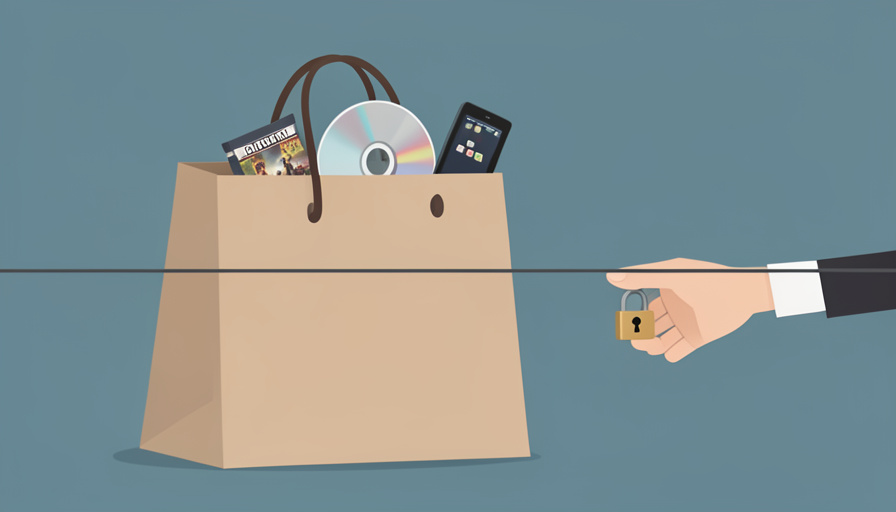
A copy-protected CD that refuses to play on a modern PC feels like a small, dated annoyance. It is actually a preview. The same basic problem, paying for media and then being unable to reliably use it, now stretches across games, e-books, movies, and “purchases” that can disappear without warning.
People keep rediscovering an uncomfortable truth: buying something digital is often not the same as owning it. It started with copy protection that broke the discs it was meant to protect, and it has quietly expanded into a broader ownership problem that touches almost everything you buy without a physical object attached. The old CD is just the most tangible reminder that “you bought it” and “you can use it” are two different promises.
In Brief
Copy protection that blocks playback on a PC is one visible case of a larger digital-ownership problem. Old audio CDs used protection that broke them on computers, disc-based game DRM later stopped working when operating systems dropped support, and many digital “purchases”, games, e-books, movies, can be delisted, revoked, or bricked when a store or server shuts down. The root issue is that most digital media is licensed, not owned: you buy access under terms the seller controls. You can protect yourself by favoring DRM-free purchases, keeping local backups of what matters, and treating “buy” buttons on streaming-style stores as long-term rentals.
Table of Contents
The CD is just the oldest example
The most physical version of the problem is the easiest to see.

In the early 2000s, record labels shipped audio CDs with copy protection that deliberately corrupted the disc to block PC ripping, which also broke playback on many computers, a story we covered in detail in why old copy-protected CDs won’t play on modern PCs. Those discs did not even meet the standard CD audio format, as documentation of Copy Control shows. You owned the physical object outright, and the protection still stood between you and the music. That is the template for everything that followed: a barrier bolted onto something you paid for.
It happens to games too
The disc problem is bigger than music. For years, PC games shipped with disc-based copy protection like SafeDisc and SecuROM. When later versions of Windows dropped support for the old protection drivers, partly because they were a security risk, games people legally owned simply stopped running from their original discs. The buyers did nothing wrong; the operating system changed underneath them and the DRM took the game down with it. Ironically, cracked copies with the protection stripped out often kept working when the legitimate discs would not, which is the recurring punchline of DRM: it punishes the paying customer most reliably.
And to “purchases” that vanish
The modern version is worse, because there is no disc to fall back on. Digital storefronts sell “buy” buttons that behave like long-term rentals. Games get delisted and become unbuyable and sometimes unplayable once servers close. Movies you “purchased” can disappear from your library when licensing deals expire. E-books have been remotely removed from devices after purchase. Online-only games turn into nothing when the servers shut down. In each case, the pattern is identical to the broken CD, except you never held a physical object, so there is nothing left when access is pulled.
Why “buy” doesn’t always mean “own”
Here is the legal reality underneath the frustration. Most digital media is not sold to you; it is licensed. When you click “buy,” you are usually purchasing a limited, revocable right to access the content under the seller’s terms, not the content itself. That is why a store can revoke a movie or brick a game without breaking any promise it actually made, the fine print never promised permanent ownership. The word “buy” on the button is doing a lot of misleading work, and courts and regulators have only recently started pushing back on it. Until the label matches the reality, the burden of understanding falls on the buyer.
How to actually own what you pay for
You cannot fix the whole system, but you can protect the media you care about:
- Favor DRM-free sources when they exist, so what you download keeps working regardless of a store’s fate.
- Keep local backups of anything important, files you control cannot be revoked remotely.
- Treat “buy” on streaming-style stores as a long-term rental, and price it accordingly.
- For music and movies, a DRM-free download or a physical disc you can rip is more durable than a cloud license.
What To Know
- Copy protection that blocks a CD on a PC is one visible case of a broader ownership problem.
- Disc-based game DRM stopped working when operating systems dropped support, disabling owned games.
- Digital purchases can be delisted, revoked, or bricked when stores or servers shut down.
- Most digital media is licensed, not owned, so “buy” often means a revocable right to access.
- DRM-free sources and local backups are the most reliable way to keep what you pay for.
Frequently Asked Questions
Why can’t I play a CD or game I legally own?
Copy protection is usually the reason. Old audio CDs used protection that broke playback on computers, and disc-based game DRM stopped working when operating systems dropped support for it. In both cases, the barrier bolted onto the media, not the media itself, is what fails.
Do I actually own my digital purchases?
Often not in the way you would assume. Most digital media is licensed, meaning you buy a limited, revocable right to access it under the seller’s terms. That is why stores can delist, revoke, or disable content you “bought” without breaking their actual agreement.
Why do digital movies and games disappear from my library?
Usually because a licensing deal expired or a store or server shut down. Since you hold a license rather than the file, the seller can remove access when its rights to distribute the content end, leaving nothing behind if there is no local copy.
Is DRM-free media safer to buy?
For long-term access, yes. DRM-free files keep working regardless of a store’s status because nothing can remotely revoke or lock them. Pairing DRM-free purchases with your own backups is the most reliable way to actually keep media.
How can I protect media I care about?
Favor DRM-free sources, keep local backups of important files, treat “buy” on streaming-style stores as a long-term rental, and prefer downloads or rippable physical media over cloud-only licenses for anything you want to keep permanently.
The Bottom Line
The broken CD in a drawer and the movie that vanished from your cloud library are the same story told twenty years apart. Both come from bolting control onto media you paid for, and both punish the honest buyer first. The fix is not to rage at every “buy” button but to understand what it really sells, then keep the things you care about in a form no one else can switch off. Own the file, not merely the access. For more on tech and consumer rights, browse The Other Stream’s Tech section, or our Business coverage.