
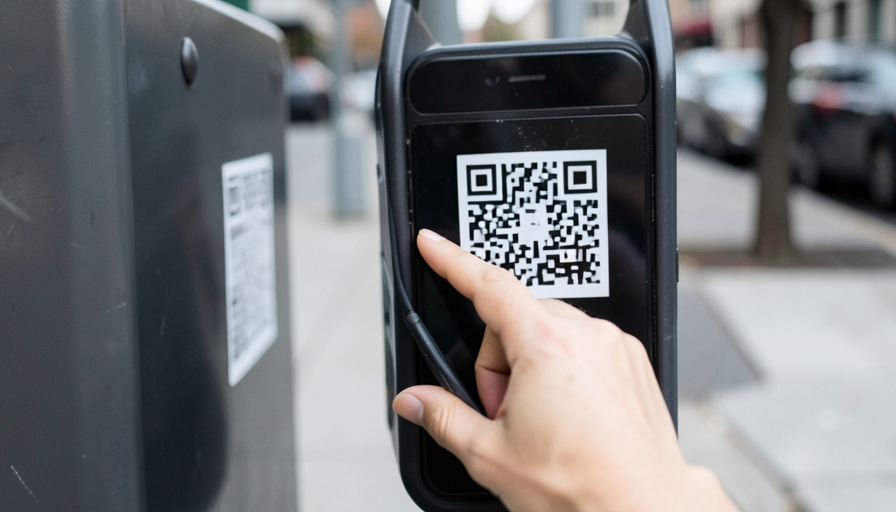
You pull into a spot, walk to the meter, and there is a tidy QR code inviting you to scan and pay from your phone. It is convenient, it looks official, and plenty of cities genuinely offer it. But that same convenience has become a scam: fraudsters stick their own fake QR codes over the real ones, and scanning theirs sends you to a bogus payment page that quietly takes your card details. So can a QR-code parking payment be a scam? Yes, it can, and it has become common enough that a moment of caution before you scan is well worth it.
Here is how the scam works, why it fools people, what to look for, and how to pay for parking without handing your card to a criminal.
The short answer
Yes, a QR-code parking payment can be a scam. Criminals place fake QR-code stickers over the legitimate ones on parking meters, pay stations, and signs, a trick nicknamed quishing, for QR-code phishing. Scanning the fake code takes you to a lookalike payment site that harvests your card number and personal details, and because you never actually paid the city, you can also end up with a ticket. Not every parking QR code is fraudulent, since many cities use them legitimately, but you cannot tell a real one from a stuck-on fake just by looking. The safe move is to pay through the city’s official app, the physical meter, or a phone number and web address from official signage, rather than trusting a code that could have been swapped.
Table of Contents
How the QR-code parking scam works
The mechanics are simple and cheap, which is why it spread. A scammer prints QR-code stickers that lead to a fake parking-payment website and places them over the real codes on meters and kiosks, or on official-looking signs of their own. You scan, land on a page that closely mimics a real parking service, and enter your card details and maybe personal information to “pay.” That data goes straight to the criminal, who can charge your card or sell the information, and some fake pages also try to push a sketchy app or malware. The double sting is that your actual parking was never paid, so a citation can follow the financial loss.
Why quishing fools people
QR codes are effective for scammers precisely because they hide their destination. A code is just a pattern; you cannot read the web address inside it the way you can eyeball a link, and on a phone the full address is easy to miss even after it opens. People also extend trust to a code printed on what looks like official city equipment, assuming a meter would only carry a legitimate one. And a well-made sticker placed over the real code is genuinely hard to spot. Combine a hidden URL, an official-looking setting, and a convincing fake page, and a lot of careful people scan without a second thought.
Red flags to check before you scan
A few quick checks catch most fakes. Look closely at the code itself: if it is a sticker sitting on top of the meter’s printed label or another code, with peeling edges or a mismatched finish, treat it as suspect, since scammers cover the original. After scanning, before entering anything, glance at the web address, and be wary if it does not clearly match your city or its known parking vendor, if it is a shortened or odd-looking domain, or if there are misspellings. Be especially cautious if the page asks for more than a payment needs, like a login, a Social Security number, or account passwords. And if there is no official city signage around the meter naming the real payment method, do not trust a lone code.
Safer ways to pay for parking
You can skip the risk entirely by not relying on the posted code. Best is the city’s own parking app, downloaded from your phone’s official app store rather than from any link, since it connects you directly to the real service. Paying at the physical meter or kiosk with a card or coins avoids the QR path altogether. If signage lists an official phone number or web address for payment, use that, typing the address yourself rather than scanning, and confirm the vendor name matches what your city actually uses. When a QR code is the only option, verify the sticker looks original and the site address is right before entering a thing. A little friction here is far cheaper than a stolen card.
What to do if you scanned a fake one
If you entered your card on a page you now doubt, move fast. Contact your bank or card issuer right away to report it, dispute any charge, and get a new card number if you shared it, then watch your statements for anything unfamiliar. If you gave up other personal details, stay alert for follow-on scams and consider the protective steps you would take after any data exposure. Report the scam to the authorities through the FTC’s consumer site and to your local parking authority or police, who often track these sticker campaigns. And do not forget to actually pay for your parking properly, so a scam does not also cost you a ticket. For related tricks, see our guides to the unpaid toll text scam and fake virus browser alerts.
This article is general information, not legal or financial advice. Scam methods change and situations differ, so verify parking payment methods through official city channels, and if you have lost money or exposed sensitive information, contact your bank and the appropriate authorities promptly.
Frequently asked questions
Are all parking QR codes scams?
No. Many cities and parking operators legitimately use QR codes for payment. The problem is that you cannot tell a real code from a fake sticker placed over it just by looking, and scammers exploit that. So while not every code is fraudulent, it is safer to pay through the city’s official app, the physical meter, or an address you type yourself, and to treat any suspicious-looking or stuck-on code with caution.
What is quishing?
Quishing is QR-code phishing: using a QR code to send someone to a fraudulent website. In the parking version, criminals cover real codes with fake stickers that link to lookalike payment pages designed to steal card and personal details. Because the destination is hidden inside the code, quishing bypasses the instinct to check a link before clicking, which is what makes it effective.
How can I tell if a parking QR code is fake?
Check whether the code is a sticker placed over the meter’s printed label or another code, especially with peeling edges or a mismatched look. After scanning, inspect the web address before entering anything: a mismatched, shortened, or misspelled domain is a warning, as is a page asking for more than payment details. No official signage naming the real payment method is another red flag. When in doubt, do not enter your card.
What is the safest way to pay for parking?
Use the city’s official parking app installed from your phone’s app store, or pay directly at the physical meter or kiosk. If you must use a web address or phone number, take it from official signage and type it yourself rather than scanning a posted code. Confirm the payment vendor matches the one your city actually uses. These routes avoid trusting a code that could have been swapped.
What should I do if I paid through a fake parking QR code?
Contact your bank or card issuer immediately to report the charge, dispute it, and replace the card if needed, then monitor your statements. Report the scam to the FTC and to your local parking authority or police, who often track these campaigns. Also pay for your parking properly through an official channel so you do not receive a citation on top of the fraud.
The bottom line
A QR code on a parking meter can absolutely be a scam, because fake stickers that lead to card-stealing sites are cheap to make and hard to spot. The code hides its destination, the setting looks official, and the fake page can be convincing, which is why quishing works. Protect yourself by paying through the city’s official app, the meter itself, or an address you type from real signage, and inspect any code and web address before entering your card. Treat an unverified parking QR code as guilty until proven safe. For more on avoiding scams, browse The Other Stream’s Tech section.