New York City unsealed thousands of pages documenting the toxic air after 9/11. The temptation is to treat it as history, a record of what happened. But the illnesses tied to that exposure are still being diagnosed a quarter century later, which is exactly why the long-term monitoring the records support is not a formality. It is how new cases get caught in time.
The most important fact about 9/11’s health legacy is that it is not over. Conditions linked to the toxic dust have long latency periods, meaning they can surface decades after the exposure that caused them. That is the medical reason the newly released records matter beyond the historical record: they help sustain and justify a monitoring system that keeps finding illness in people who felt fine for years. Understanding why that monitoring works is the useful part of this story.
In Brief
New York City unsealed a large set of records on 9/11 air quality and toxic exposure. Medically, the key point is latency: many 9/11-related illnesses, especially cancers, can appear 15, 20, or more years after exposure, which is why new diagnoses are still happening 25 years on. The World Trade Center Health Program monitors and treats a defined set of certified conditions, including respiratory illness, numerous cancers, and mental-health conditions. The records renew the case for continued monitoring and funding by documenting the scale of exposure. For anyone exposed, the practical value of monitoring is early detection, catching a condition while it is still treatable. This is general information, not medical advice.
Table of Contents
What the records revealed
The disclosure is large, and its health relevance is concrete.
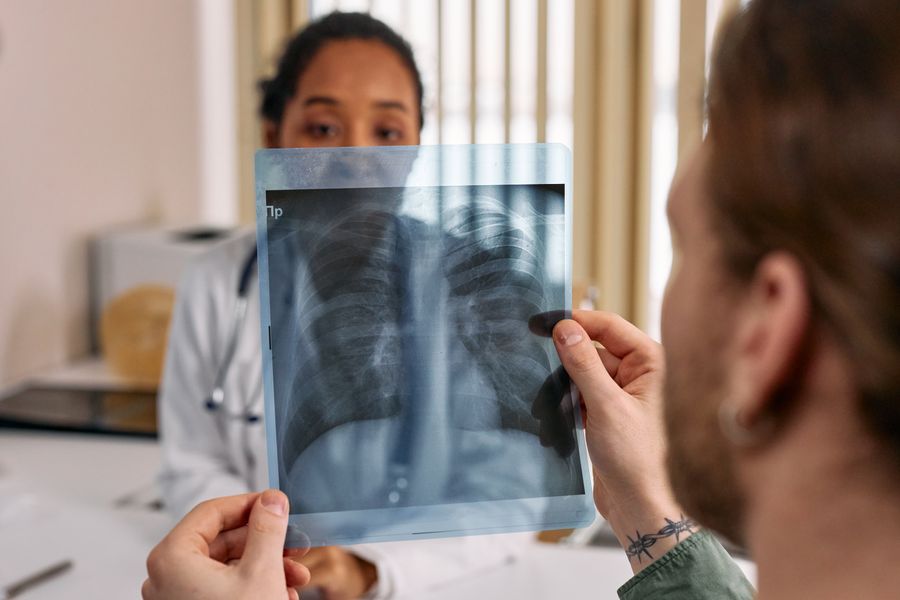
New York City released roughly 170,000 pages covering air quality, contamination data, and the response after the attacks, ending a long legal fight to make them public. We looked at how those records help people prove exposure and access care in our piece on the 9/11 records and health monitoring. From a public-health angle, documentation of what people breathed and where matters because it strengthens the evidence base for who was exposed and to what, which underpins both monitoring eligibility and research into the illnesses that followed.
Why 9/11 illnesses appear decades later
This is the medical fact that surprises people, so it is worth being clear about. Many serious conditions caused by toxic exposure, cancers in particular, do not appear right away. They develop over long latency periods, sometimes 15 to 20 years or more, as damage accumulates silently before any symptom shows. That is why the 9/11 health story keeps growing rather than shrinking: people who were exposed in 2001 and stayed healthy for years are now reaching the window where certain cancers become detectable. The exposure was a single event; its consequences unfold on a timeline measured in decades. Monitoring exists precisely because you cannot rely on symptoms to warn you in time.
The range of certified conditions
The health effects are broader than the public often assumes. The World Trade Center Health Program covers a defined list of certified conditions that generally falls into a few groups: respiratory and digestive illnesses, such as chronic cough, asthma, and acid reflux linked to the dust; a long list of cancers; and mental-health conditions, including PTSD and depression tied to the trauma of the events and their aftermath. The point is that “9/11 illness” is not one disease but a spectrum, which is part of why ongoing, thorough monitoring matters. A program watching for only one condition would miss most of the harm.
Why the records renew calls for monitoring
Documentation and funding are linked, which is the practical reason the release matters now. Long-term monitoring programs need continued political and financial support, and that support is easier to sustain when the scale of the exposure is clearly documented rather than fading into memory. The records make the case concrete: here is what people were exposed to, here is how many are affected, here is why this cannot be treated as a closed chapter. Renewed calls for monitoring are more than sentiment; they are an argument that a program catching new cases every year must keep running as long as new cases keep appearing, which given latency could be for a long time.

What sustained monitoring accomplishes
The value of monitoring is simple and often lifesaving: early detection. Regular screening of exposed people can catch a cancer or a serious respiratory condition at a stage when treatment works far better than it would after symptoms force the issue. For a population facing elevated, delayed risk, that early-warning function is the whole point. It also feeds research that refines which conditions are linked to the exposure, which in turn improves care. Monitoring is not a bureaucratic checkbox; it is the mechanism that turns a documented past exposure into a treatable present diagnosis.
This article is general information only and is not medical advice. If you were exposed, contact the World Trade Center Health Program and a qualified healthcare professional about monitoring and care.
What To Know
- NYC unsealed about 170,000 pages of 9/11 air-quality and toxic-exposure records.
- Many 9/11-related illnesses, especially cancers, appear 15 to 20 years or more after exposure.
- Certified conditions span respiratory and digestive illness, many cancers, and mental-health conditions.
- The records strengthen the case for continued monitoring and funding.
- Monitoring’s core value is early detection, catching illness while it is still treatable.
Frequently Asked Questions
Why are 9/11 illnesses still appearing 25 years later?
Because many conditions caused by toxic exposure, especially cancers, have long latency periods and can take 15 to 20 years or more to develop. People exposed in 2001 may only now be reaching the window where certain illnesses become detectable, so cases keep emerging.
What conditions does the WTC Health Program cover?
A defined list that generally includes respiratory and digestive illnesses like chronic cough, asthma, and acid reflux, a wide range of cancers, and mental-health conditions such as PTSD and depression. The breadth is why thorough monitoring matters.
Why do the released records matter for health?
They document the scale of exposure, which strengthens the evidence base for who was affected and supports both monitoring eligibility and research. Clear documentation also helps justify the continued funding that long-term monitoring programs require.
What does long-term health monitoring actually do?
It provides regular screening for exposed people so that cancers and serious conditions can be caught early, when treatment is most effective. It also feeds research that improves understanding of exposure-related illness and care over time.
Who should consider enrolling in monitoring?
Anyone who was present in the affected exposure area, responders, recovery workers, residents, workers, and students, even without current symptoms. Because of latency, monitoring is valuable precisely when someone feels healthy. Check eligibility directly with the program.
The Bottom Line
The unsealed 9/11 records read like history, but the illness they document is a present-tense problem. Latency means the health toll is still unfolding, and that is the strongest argument for keeping long-term monitoring funded and running: it catches, early, the cancers and conditions that a symptom-based approach would find too late. The most useful response to the release is to make sure the people exposed are being watched over now, not merely to reckon with the past. For more on health and public policy, browse The Other Stream’s Health section, or our Law coverage on compensation programs.
Related Posts