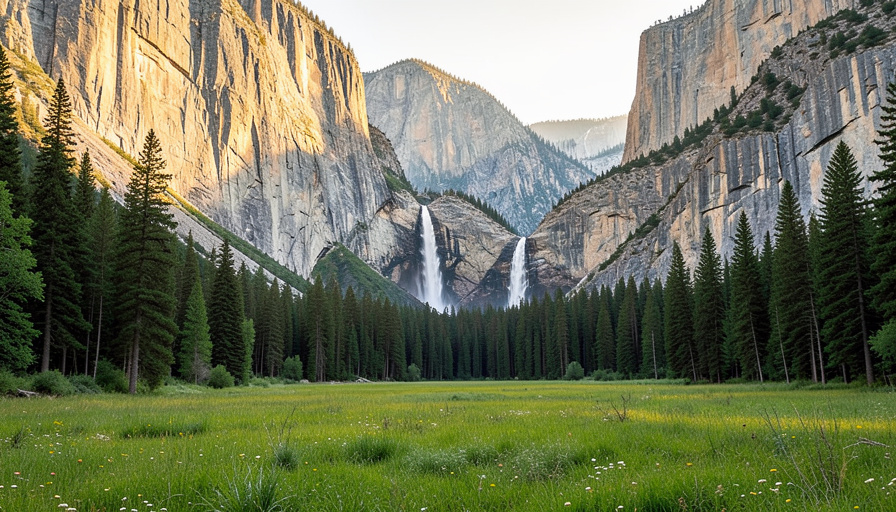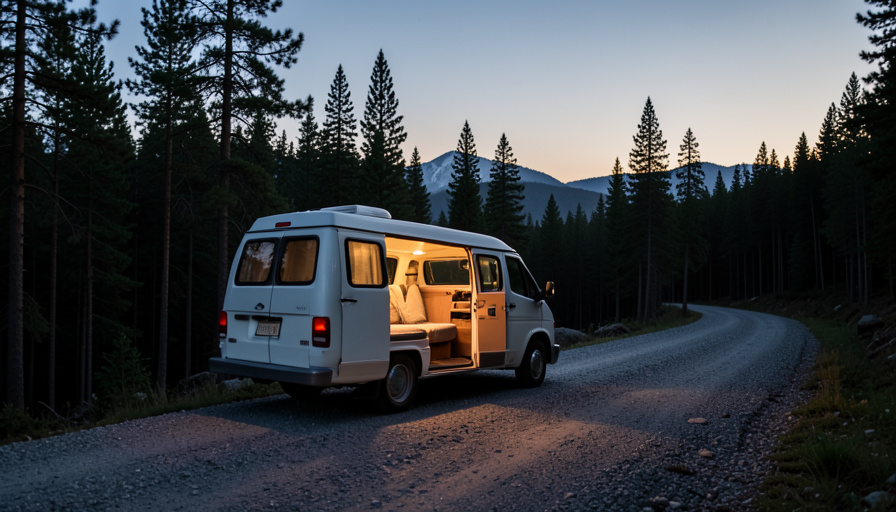
The photo is a van with its back doors flung open on the lip of a canyon, coffee steaming, not another soul in sight. It is a great photo. It is also, almost always, a day-use pullout where sleeping overnight is flatly illegal.
Van life near national parks looks like total freedom, and the marketing leans hard into that. The reality is a patchwork of rules that changes the moment you cross a boundary line, and getting it wrong means a knock on the window at 2 a.m. or a ticket on the windshield. The good news is the system is learnable, and once it clicks you really can sleep close to the big parks for cheap or free. Here is where you can actually park for the night, where you cannot, and how the picture differs from the one on your feed.
Quick answer
Inside a national park, you can only sleep in a designated campground, usually reserved in advance for a fee, never in a pullout, parking lot, or picnic area. The free, park-anywhere version of van life lives just outside the boundary, on national forest and Bureau of Land Management land, where dispersed camping is generally allowed for up to 14 days. So the move is simple: reserve a spot inside, or boondock at the edge and drive in for the day.
Table of Contents
The rule that trips up every new van-lifer
Here is the single fact that catches people out: national parks are not open camping. Inside park boundaries, overnight sleeping in a vehicle is limited to designated campgrounds, and that is it. You cannot pull into a scenic overlook, a trailhead lot, or a picnic area and spend the night, even if it is empty and you are being quiet about it. The National Park Service treats those developed campgrounds as the only legal place to bed down, and popular parks like Yosemite and Zion fill their campground reservations months ahead through Recreation.gov. Fees usually run somewhere in the range of $15 to $50 a night. So the dreamy in-park camp exists, but it is a booked spot with a number on a post, not a spontaneous canyon-edge pull-in.
Where the free version actually lives: the park’s edge
The park-anywhere freedom that van life sells does exist, but it starts where the park ends. Most big national parks are ringed by national forest and BLM land, and on that ground the rules flip. Dispersed camping, also called boondocking, is generally allowed for free for up to 14 days, no reservation and no designated site required. That is why so many van-lifers sleep on a forest road ten or twenty minutes outside the gate and drive in each morning. You give up the flush toilets and the in-park sunrise, and you get free, quiet, and legal in exchange. The catch worth knowing for 2026 is that this land is getting more managed, not less. A growing number of forests are shifting to designated dispersed sites, replacing “camp anywhere” with a handful of marked spots, so the open pull-off near a famous trailhead may already be gone.
The rules that keep boondocking legal
Free does not mean lawless, and the fastest way to lose access for everyone is to camp like it is. The specifics vary by field office, but the common rules look like this:
- Obey the stay limit, commonly 14 days within a 28-day window, then move well down the road. Some offices require you to relocate 25 miles or more.
- Camp at least 100 to 200 feet from any water source, and 100 feet or so back from the road.
- Park on durable ground, meaning existing sites, gravel, sand, or rock, never by flattening fresh vegetation.
- Pack out everything, including gray water and toilet waste. Many areas expect your rig to be self-contained.
- Check for local fire restrictions and closure orders before you light anything or even before you arrive.
Apps and the free motor vehicle use maps from each forest show where dispersed camping is allowed, and a quick call to the local ranger district settles anything the map leaves fuzzy. Two minutes of checking beats a closure order you did not know about.
Why the reality looks different from the feed
The gap between the photos and the nights is worth naming, because it is where new van-lifers get discouraged. That van on the canyon rim was almost certainly parked there for the shot and moved before dark, since the spot is day-use only. The real overnight is often a gravel forest road with no view, no cell signal, and a neighbor’s generator two hundred feet away. Boondocking also means no hookups, so you are managing your own power, water, and waste, and hunting down a dump station every few days. Popular free areas near marquee parks can be crowded, dusty, and picked over by mid-morning. None of this makes van life bad. It makes it a skill with real logistics behind the pretty frames, and going in expecting the logistics is what keeps the trip fun instead of stressful. If crowds are your main worry, our guide to visiting Yosemite without the crowds pairs well with a camp-at-the-edge plan.

A simple plan for your first park
You do not need to master the whole system before your first trip. Pick one of two plans and you are covered. Plan A: book a designated campground inside the park through Recreation.gov as far ahead as you can, and enjoy the in-park mornings without worrying about legality. Plan B: find a legal dispersed area on national forest or BLM land just outside the boundary, confirm it with the ranger district or a current map, sleep there for free, and drive in for day-use each day. Many people mix the two, grabbing a night or two inside for the sunrise and boondocking the rest to keep the budget down. Either way, sort out your sleeping spot before you are tired and it is getting dark, because that is exactly when people talk themselves into an illegal pullout.
Rules for camping on public land change often and vary by location. Confirm current stay limits, closures, and fire restrictions with the specific park, forest, or BLM field office before you go, and follow Leave No Trace so these spots stay open.
Frequently asked questions
Can you sleep in a van inside a national park?
Only in a designated campground, which usually needs a reservation and a fee. Sleeping overnight in pullouts, parking lots, trailheads, or picnic areas inside a park is not allowed, even when they are empty and you are being quiet.
Where can you camp for free near a national park?
On the national forest and BLM land that usually surrounds big parks, where dispersed camping is generally free for up to 14 days. Many van-lifers sleep just outside the boundary and drive in for the day.
What is the 14-day rule for dispersed camping?
On most forest and BLM land you can stay in one area for up to 14 days, often within a 28-day window, then you must move on, sometimes 25 miles or more. The exact limit varies by field office, so check locally.
Is boondocking near national parks legal?
Yes, on land that allows dispersed camping, as long as you follow the stay limit, camp on durable ground away from water, and pack out all waste. It is not legal inside park boundaries outside a designated campground.
Do you need a reservation to camp in a van at a national park?
For in-park campgrounds at popular parks, almost always, and often months ahead through Recreation.gov. Dispersed camping outside the park on public land generally needs no reservation, though some areas now require a free permit.
The bottom line
Van life near national parks is real, but it runs on a rule most people learn the hard way: sleep inside the park only in a booked campground, and get your free, park-anywhere nights on the public land at the edge. Learn which ground you are standing on, respect the stay limits and the water setbacks, and settle your spot before dark. Do that and the freedom the photos promise is actually yours, minus the ticket. For more road-trip and destination guides, browse The Other Stream’s Travel section.
Related Posts