Five Airbnb alternatives with dependable digital check-in for families, and the local rules that changed what “self check-in” means in 2026.
Picture landing at 11 p.m. with two sleepy kids, a car seat and a message from a host who has stopped replying. That is the moment a smooth check-in matters more than a pretty listing. On Airbnb, “self check-in” usually means a lockbox or smart lock, but the details depend on each host, and one host put it bluntly in a September 2026 thread: the lock code “doesn’t even work until your check in time” unless you arrange it first. Families who want a predictable arrival have better options. These five Airbnb alternatives use company-run digital check-in or professionally managed homes, so the process does not hinge on one person answering their phone.
The best Airbnb alternatives for families in 2026 are:
- Kasa: best for app-based check-in with a virtual ID check
- Placemakr: best for apartment stays with a digital key
- Vacasa: best for whole vacation homes with per-stay door codes
- Homes & Villas by Marriott Bonvoy: best for points earners
- Blueground: best for stays of a week or longer
Quick Picks
| Platform | Best For | Price | How Check-In Works | Support | Stay Length |
|---|---|---|---|---|---|
| Kasa | City apartments and hotels | Nightly rates vary by property | Virtual ID check, then a door code | 24/7 virtual guest service | From one night |
| Placemakr | Apartment-style stays | Nightly and weekly rates vary | Online precheck with ID, then a digital key | Front desk in business hours | One night to months |
| Vacasa | Whole vacation homes | Nightly rates vary by home | Entry code emailed on arrival day | 24/7 guest support | Short vacation stays |
| Homes & Villas by Marriott Bonvoy | Points earners | Nightly rates or Bonvoy points | Varies by home and manager | Through the property manager | Short vacation stays |
| Blueground | Longer family stays | Monthly-style pricing | Keys or access cards, app instructions | In-app support | A week or longer |
Table of Contents
Why families look for Airbnb alternatives with easier check-in
Self check-in is getting more regulated, not less. In Italy, the Council of State ruled in November 2025 that self check-in is allowed only when guests are visually identified, in person or remotely, with a real-time check that the ID matches the person. Milan then banned key boxes on poles, gates and railings from January 2026, with fines of up to 400 euros. In New York City, Local Law 18 requires registration, and stays under 30 days are legal only when the host is present, which rules out a private family apartment with a door code.
The other lesson came from Sonder. The app-based apartment brand shut down abruptly in November 2025 after Marriott ended their partnership, and some guests were told to leave within a day. A company-run check-in only helps if the business behind it is stable, so the picks below favor established operators and clear processes.
1. Kasa
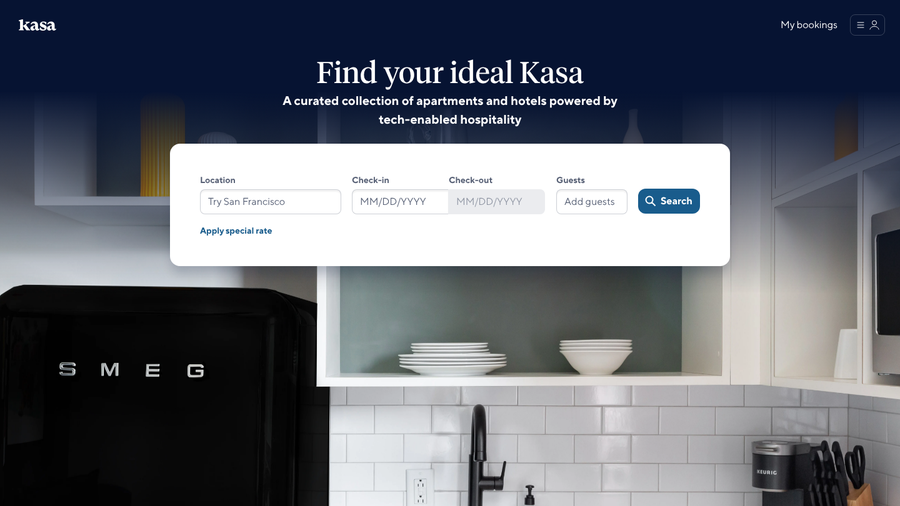
Best for: Families who want a city apartment with a hotel-style process, including a verified ID check and a door code on arrival.
Kasa runs a curated collection of apartments and boutique hotels and handles check-in through its app-based Virtual Front Desk. Before arrival, guests complete a pre-arrival checklist that includes a virtual ID check, and some properties let you request early check-in in the same step. On arrival, Kasa uses electronic door locks: you press the keypad to wake it and enter the unique code shown in your Virtual Front Desk.
Kasa’s process mirrors the direction regulators are taking, identifying the guest first and handing over access second, and it is also what families want in practice. The ID step happens at home, on your own time, instead of at a counter with a tired toddler. Kasa backs it with a 24/7 virtual guest service, so a late flight does not leave you stuck waiting for one host to answer.
Kasa has also grown. Mint House, the apartment-hotel brand, now appears under Kasa, and its old website redirects to Kasa’s listings. Some properties are pet friendly, and the apartment format usually means more room than a standard hotel room, which matters with small children and early bedtimes.
The limits are scale and consistency. Kasa lists individual buildings rather than a single standard, so amenities, parking and room layouts vary from one property to the next. Some locations include noise and smoke detection technology, which is reassuring for most families but worth knowing if you are traveling with a noisy crowd of cousins. Read each property page before booking, and check that the apartment has the number of real beds you need.
- Pros: Virtual ID check before arrival; door codes delivered in the app; 24/7 virtual guest service.
- Cons: Amenities vary by building; mostly city locations rather than beach or mountain homes.
Pricing: Nightly rates vary by property and date. Booking on Kasa’s site shows total price before checkout.
2. Placemakr
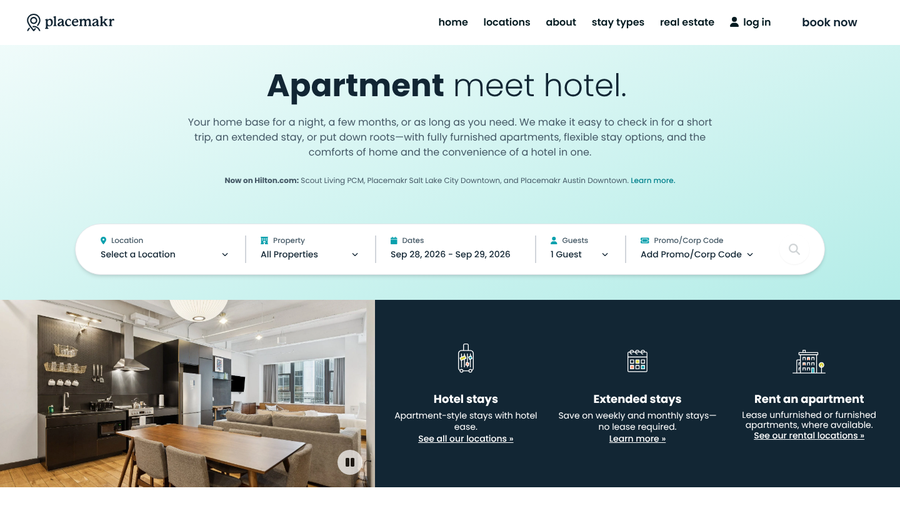
Best for: Families who want a furnished apartment with a full kitchen and a documented, step-by-step digital check-in.
Placemakr calls itself “apartment meet hotel,” and its check-in process is one of the clearest in this category. Before arrival, you log into your account and complete precheck, which confirms your ID and the card on file through an identity verification partner. According to Placemakr’s FAQ, it will not release apartment details or access credentials until precheck is complete. Once it is, contactless properties send a digital key to your phone, and you can walk straight to the apartment.
The details help parents plan. Check-in starts at 4 p.m. at every Placemakr property, and Placemakr asks guests arriving after 8 p.m. to give a heads-up by text or through their account. Placemakr texts and emails as soon as the apartment is ready, which is sometimes earlier than 4 p.m. If the digital process fails, front desk teams are on site during business hours for in-person check-in.
Apartments come with full kitchens or kitchenettes, depending on the location, and stays run from a single night to several months, so Placemakr works for a weekend trip or a longer stay during a move. Some locations are also bookable through Hilton, where stays can earn and redeem Hilton Honors points.
The main catch is the footprint. Placemakr operates in a limited set of U.S. cities, so it is a city-break option rather than a beach-house one. Its payment rules are also strict: prepaid cards, gift cards and virtual bank cards are not accepted, and a valid government ID is checked for age requirements.
- Pros: ID precheck before arrival; digital keys at contactless properties; full kitchens or kitchenettes.
- Cons: Limited to certain U.S. cities; no prepaid or virtual cards.
Pricing: Nightly, weekly and monthly rates vary by property and dates.
3. Vacasa
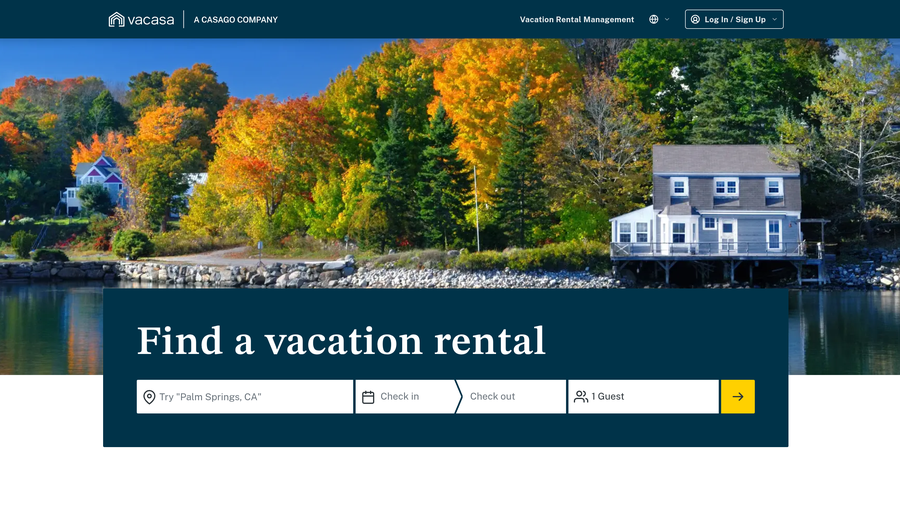
Best for: Families who want a whole beach, lake or mountain house with keyless entry and a company, not one host, behind the booking.
Vacasa is a professional vacation rental manager, now part of Casago, with homes across popular vacation areas and trip ideas built around multi-generational family vacations. Check-in follows a set routine. According to Vacasa’s support page, guests get an email on the morning of check-in with any entry codes and instructions needed to get inside the home.
Many Vacasa homes use smart locks that generate a unique door code for each stay and for each cleaning or maintenance visit, which means the code you receive is not one shared with the previous guests. The Vacasa guest app keeps booking details and home information in one place, and guest support is available around the clock, with some exceptions noted on its site.
For families, the value is space and predictability. A whole house with bedrooms, a kitchen and laundry often costs less per person than two hotel rooms, and arriving to a code that works without calling anyone is exactly the experience a late-night drive with kids needs.

The trade-offs are the usual ones for managed rentals. Homes are owned by individuals, so furnishings, cribs and stair gates vary by property, and fees for cleaning and services can add noticeably to the nightly rate. Check whether a home uses a keypad or a lockbox before booking, since not every property is set up the same way. If you arrive after dark, confirm the code before you leave home rather than on the road.
- Pros: Whole homes in vacation areas; entry codes emailed on arrival day; 24/7 guest support.
- Cons: Fees can raise the total; family gear and entry setup vary by home.
Pricing: Nightly rates vary by home and season, plus cleaning and service fees shown before booking.
4. Homes & Villas by Marriott Bonvoy
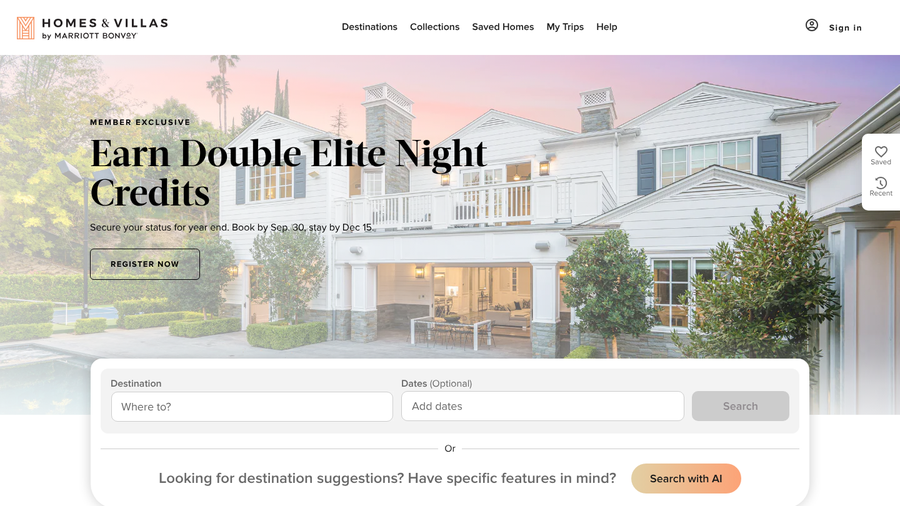
Best for: Marriott Bonvoy members who want a professionally managed family home and points on the stay.
Homes & Villas by Marriott Bonvoy lists only professionally managed homes, a policy stated in its FAQ. Individual owners cannot list directly and have to work through an approved property management company. For families, that removes the “one host who might not reply” problem, because a management company with staff and procedures handles each home.
The loyalty angle is the main reason to book here. Marriott Bonvoy members can earn points on stays and redeem points for them, which makes Homes & Villas one of the few ways to put hotel points toward a whole house with bedrooms for everyone.
Check-in is less standardized than at Kasa or Placemakr. Check-in and check-out times vary by home, and arrival details come from the property management company in your pre-arrival messages. Confirm the entry method on the listing page before you book, especially if you expect a late arrival. Listings often spell out practical details such as stairs, parking spaces, pet fees and exterior security cameras, which are the points parents need to check first. The site also offers an AI search option for describing the kind of home you want.
Two quirks are worth knowing. Homes & Villas reservations do not appear in your regular Marriott Bonvoy account or app, because Homes & Villas runs on its own website. And during the stay, support comes through the management company’s phone number or email rather than a central Marriott hotline, so save that contact before you travel.
- Pros: Professionally managed homes only; earn and redeem Bonvoy points; large homes for extended families.
- Cons: Check-in method varies by manager; bookings sit outside the main Bonvoy app.
Pricing: Nightly rates vary by home, or book with Marriott Bonvoy points where available.
5. Blueground
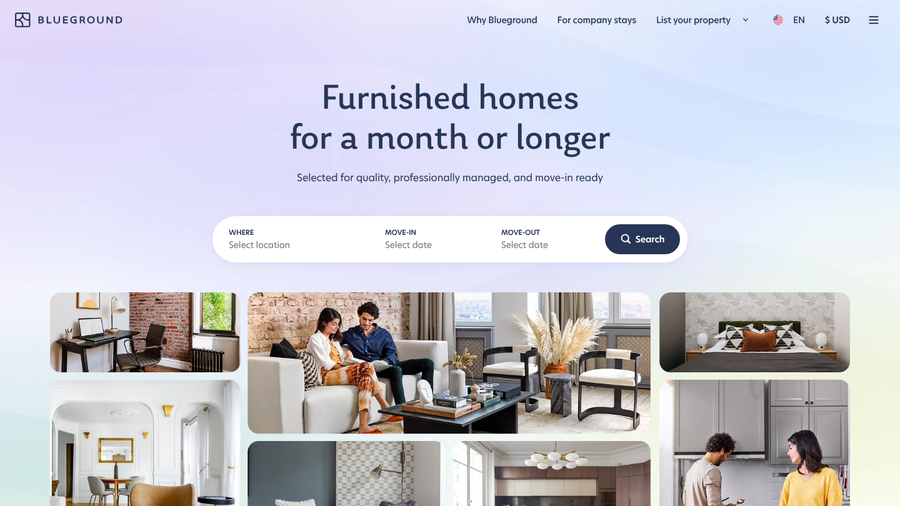
Best for: Families staying a week or longer during a relocation, renovation or extended visit.
Blueground rents fully furnished apartments in cities around the world, built for living rather than a quick stay. Its homes come with quality furniture, fast Wi-Fi and space to cook, and you can book for a week, a month or longer, then extend, shorten or move to another neighborhood or city. That flexibility suits families between homes or visiting relatives for several weeks.
The arrival process runs through the Blueground guest app, which holds entry instructions, booking details and support contacts in one place. During the stay, the same app lets you schedule maintenance visits, which is useful when a family is living in an apartment for weeks rather than nights. Blueground’s guest terms set check-in at 4 p.m. at the earliest and check-out at 11 a.m., and they cover keys and building access cards, so check whether your apartment uses a physical key handover or an access system before you arrive late.
Blueground’s scale also helps. It says it works with more than 4,000 companies for corporate stays, and its apartments sit in central neighborhoods where a family can walk to groceries and parks. For a longer stay, a furnished apartment where you can cook saves money compared with weeks of hotel rooms and restaurant meals.
For a short vacation, Blueground is the wrong fit. Its minimum stays and monthly-style pricing make it expensive for a long weekend, and its access method is not always keyless. Treat it as a family base for longer trips rather than a replacement for a three-night beach rental.
- Pros: Furnished homes in many cities; flexible extensions and moves; app with entry instructions.
- Cons: Not built for short stays; access may use keys or cards rather than codes.
Pricing: Priced for stays of a week or longer, with rates varying by city and apartment.
How We Chose These
We started from the problem families describe most: arriving late, tired and unable to reach a host. Every pick had to offer a check-in process run by a company rather than an individual, with documented steps, digital access or an ID check completed before arrival, and support that does not depend on one person. We favored platforms with apartments or homes that have kitchens and separate bedrooms, then weighed how well each fits the new rules on identifying guests and removing key boxes. We left out brands that have closed or merged away, and marketplaces that simply pass the check-in question back to individual hosts. If you are comparing booking sites more broadly, our guide to Booking.com alternatives with upfront fees covers pricing transparency.
The Bottom Line
For a city trip with young children, Kasa and Placemakr offer the most dependable check-in: you verify your ID at home, then get a code or digital key and go straight to the apartment. For a beach or mountain house, Vacasa’s per-stay door codes and 24/7 support are the safer bet than a one-host rental. Marriott Bonvoy members should compare Homes & Villas for the points, while Blueground makes sense only for stays of a week or more. Whatever you book, save the arrival instructions offline, and keep all your confirmations in one app, such as one of these TripIt alternatives.
Frequently Asked Questions
What is the best Airbnb alternative for families?
Kasa is the best Airbnb alternative for families who stay in cities, because it combines a virtual ID check, app-delivered door codes and 24/7 virtual guest service. For whole vacation homes, Vacasa is the stronger choice, with entry codes emailed on the morning of check-in.
Is self check-in banned in Italy?
Self check-in is not banned in Italy, but guests must be visually identified, in person or remotely with a real-time check that the ID matches the person, after a November 2025 Council of State ruling. Milan has also banned key boxes on public-facing structures since January 2026.
Is Vacasa better than Airbnb for families?
Vacasa is better than Airbnb for families who want a consistent check-in process and 24/7 support, because a management company handles every home. Airbnb offers more choice, but check-in and responsiveness depend on each individual host.
Can I rent a whole apartment with self check-in in New York City?
Short stays of under 30 days in New York City are legal only when the host is present, under Local Law 18, so a private whole-apartment rental with self check-in is generally not an option. Aparthotels and licensed hotels are the main alternatives.
What should families check before a late self check-in?
Confirm the check-in time, the entry method and a support number that works after hours, and save the instructions offline before you travel. Ask whether the door code activates before the official check-in time if your flight could land early.
Related Posts