Few things start a neighborhood feud faster than a backyard fire and a phone call. The viral version, a neighbor dialing 911 over a fire pit, is really a collision of two questions people rarely know the answer to.
Those two questions are simple to state and easy to get wrong. Is the fire legal? And is it a 911 situation? The internet answers both with confident, contradictory shouting, but the actual rules are more settled than the arguments suggest. Here is what usually governs a backyard fire, what can shut it down, and when a phone call should go to 911 versus somewhere far less dramatic.
The short version
Most small backyard fires are legal without a permit if they meet a “recreational fire” standard, roughly a contained fire no more than 3 feet wide and 2 feet tall, kept a safe distance from anything flammable, and burning clean wood rather than trash. But four separate layers of rules can override that, and burn bans can cancel it entirely. As for the phone: call 911 only if a fire is out of control or threatening people or property, and use the non-emergency line for a legal fire that is merely annoying.
Table of Contents
Is a backyard fire even legal?
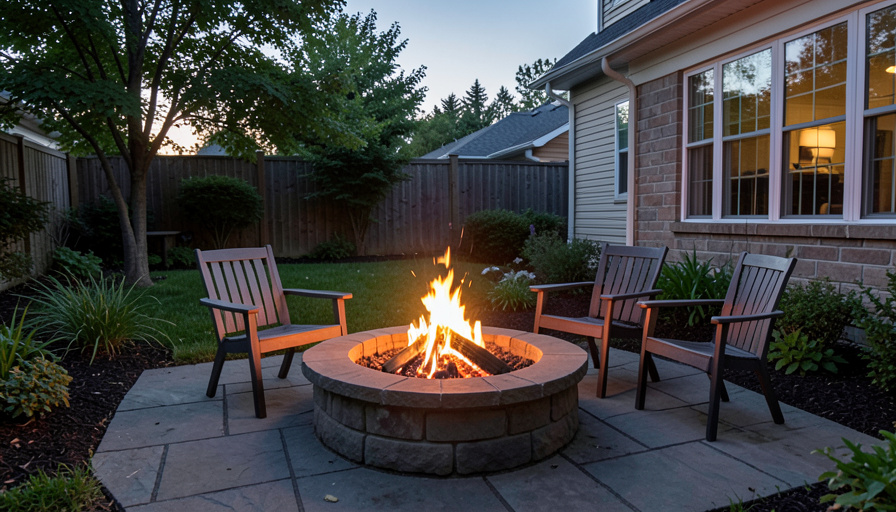
In most places, a small recreational fire is allowed without a permit. The widely used benchmark comes from the National Fire Protection Association, whose code defines a recreational fire as an outdoor fire burning material other than rubbish, with a fuel area no larger than 3 feet across and 2 feet high. Stay within that, keep it contained in a proper pit or ring, and burn clean dry firewood rather than leaves, yard waste, or trash, and you are within the lines most jurisdictions draw. Go bigger, burn garbage, or skip the container, and you have likely crossed from a legal recreational fire into open burning, which is a different and often prohibited thing.
The four layers that can say no
Here is what trips people up: legality is not one rule but a stack of them, and any layer can veto the others. State fire code sets a baseline. Your county can add restrictions on top. Your city or town can go further still. And if you have a homeowners association, it operates as its own independent authority and can ban fire pits outright even where the city allows them. On top of all that sit burn bans, temporary prohibitions issued during drought or high wildfire risk that cancel outdoor fires regardless of the usual rules, though some exempt gas fire pits since they throw no embers. Before you assume you are fine, check all four layers and your area’s current burn status.
The rules that keep you legal and safe
Most local ordinances converge on the same safety basics, which are worth following whether or not anyone is checking:
- Use a proper fire pit, ring, or masonry structure, not a loose pile on the grass.
- Keep a setback from the house, fences, and overhanging branches, commonly in the range of 15 to 25 feet.
- Burn only clean, dry firewood. No trash, no yard waste, no treated or painted lumber.
- Never leave the fire unattended, and keep water or an extinguisher within reach.
- Skip it on windy days and during any burn ban, and be mindful of where the smoke drifts.
Most of these are common sense, but the setback and the “no burning rubbish” rules are the two people break without realizing they have made a legal fire an illegal one.
When to call 911, and when not to
This is the part the viral disputes get wrong in both directions. Call 911 when there is an actual emergency: a fire that is out of control or spreading, flames threatening a structure, trees, or people, or anyone injured. That is exactly what the number is for, and hesitating in a real emergency is the worse mistake. What 911 is not for is a neighbor’s small, contained, legal fire that you find annoying, or a smoke complaint, or a fire you merely suspect breaks a local rule. Those belong on the non-emergency line or with code enforcement, which can check the situation without pulling an engine away from a genuine emergency. The honest rule of thumb: if you are unsure whether it is dangerous, treat it as dangerous and call. If you are sure it is just irritating, do not dial 911.

If you are the neighbor bothered by the smoke
Smoke drifting into your house is a real nuisance, and you have options that are not 911. Start by talking to your neighbor, since many people genuinely do not realize where their smoke is going. If that fails, check your local ordinance, because recreational fires are usually permitted but not when they create a genuine hazard or an unreasonable, persistent nuisance, and report ongoing problems to the non-emergency number or code enforcement. The reverse is worth knowing too: if you have a legal fire in a legal pit and a neighbor keeps calling emergency services on you, your fire department is often aware of the pattern and can help sort it out, sometimes treating repeat false calls as the actual problem.
This article is general information, not legal or safety advice, and local rules vary widely. Confirm the regulations with your city or local fire department, and in any genuine fire emergency call 911 immediately.
Frequently asked questions
Are backyard fire pits legal?
Usually yes, as a small recreational fire, if it is contained, kept a safe distance from anything flammable, and burns clean wood rather than trash. But state, county, city, and HOA rules can each restrict or ban them, so legality depends on your specific location and any current burn ban.
Do I need a permit for a fire pit?
Often not for a small recreational fire that meets the size limits, roughly 3 feet wide and 2 feet tall. Larger fires, open burning, or burning anything other than clean wood may require a permit or be prohibited. Check your local fire department to be sure.
When should I call 911 for a fire?
Call 911 if a fire is out of control, spreading, threatening a building, trees, or people, or if someone is hurt. For a legal, contained fire that is simply annoying, or a smoke complaint, use the non-emergency line or code enforcement instead.
Can I report a neighbor’s fire pit?
Yes, but usually through the non-emergency number or code enforcement, not 911, unless it is genuinely dangerous. Talking to the neighbor first often resolves smoke issues faster, and documenting a persistent nuisance helps if you do need to report it.
What can’t I burn in a backyard fire pit?
Avoid trash, leaves and yard waste, and treated, painted, or construction lumber. Burning those is often illegal, creates toxic smoke, and can turn a legal recreational fire into a prohibited one. Stick to clean, dry firewood.
The bottom line
A backyard fire is one of the better cheap pleasures of owning outdoor space, and staying out of trouble with it is mostly about two habits. Keep the fire small, contained, clean-burning, and set back from anything that can catch, and check the four layers of local rules plus any burn ban before you light it. Save 911 for real danger and the non-emergency line for everything else. Do that and the only thing your fire pit sparks is a good evening. For more home and yard guidance, browse The Other Stream’s Home Improve section, and for neighbor and property questions our Law coverage can help.
Related Posts