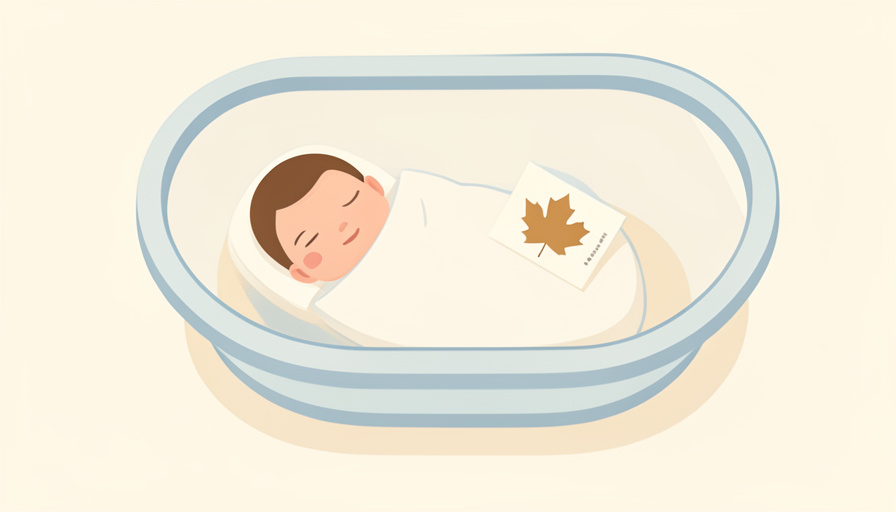
A photo of a Canadian hospital bill after a three-day stay went viral for one reason: it was almost blank. The real story is more useful than the joke. Here is what having a baby in Canada actually costs, and the one situation where it can cost a fortune.
The post that racked up tens of thousands of upvotes showed a “cost of having a baby in Canada” receipt with a total most Americans found hard to believe. The top replies filled in the picture: someone paid $35 a night for a private room, someone joked the only real expense was losing the parking ticket. That is genuinely how it works for insured residents. But “basically free” hides some real details worth knowing, especially if you are new to Canada or visiting.
In Brief
For residents covered by a provincial health plan, childbirth in Canada is essentially free at the point of care: delivery, the hospital stay, and standard newborn care are covered. Out-of-pocket costs for insured parents are usually small extras like a private-room upgrade, parking, phone, or TV, which is why the viral bill was near zero. The major exception is people without provincial coverage, non-residents, visitors, and some new immigrants in a waiting period, who can face CAD $5,000 to $15,000 for a vaginal birth and far more for a C-section or NICU stay. The lesson: Canadian childbirth is cheap if you are insured and expensive if you are not.
Table of Contents
Why the viral bill was so small
Canada funds hospital and physician care for residents through provincial health insurance, so an insured parent does not get billed for the delivery itself. There is no line item for the obstetrician, the labor and delivery room, or the standard postpartum stay. When the “bill” arrives, it covers the handful of things provincial insurance does not: an upgraded room, parking, and small comfort charges. That is the entire trick behind the viral photo. It was not a discount or a special case. It was the normal experience for someone with coverage.
What provincial health actually covers
For an insured resident, the covered list is broad, which is the point people outside Canada find surprising.
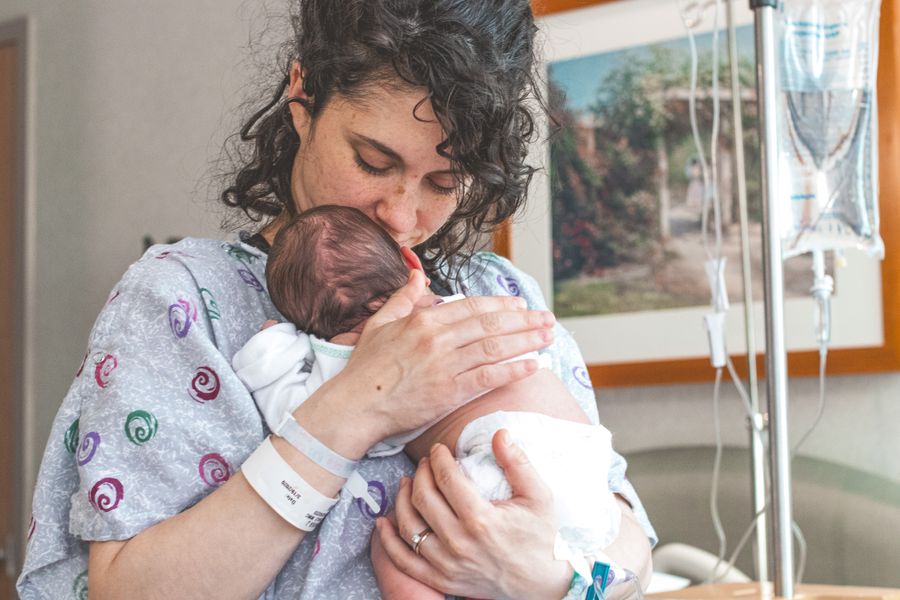
Provincial plans generally cover prenatal doctor visits, the delivery itself whether vaginal or cesarean, the standard hospital stay, and routine newborn care. Midwifery care is also publicly funded in most provinces. What you will not see is a negotiated “sticker price” or an insurance explanation-of-benefits fight, because there is no bill to negotiate. That structure is exactly why the total on a resident’s receipt can be a rounding error.
What you still pay out of pocket
Covered does not mean every single cost disappears. Insured parents still tend to pay for a short list of extras:
- A private or semi-private room upgrade, often in the range of a few dozen dollars a night at many hospitals, sometimes covered by workplace or private insurance.
- Hospital parking, which adds up over a multi-day stay.
- Phone, TV, and similar comfort items.
- Some prescription medications after discharge, depending on your drug coverage.
- Ambulance fees in some provinces, which are not always fully covered.
None of these are the five-figure bills people associate with childbirth elsewhere. They are the kind of extras you can plan for.
The big exception: non-residents and new immigrants
Here is the part the viral post did not show, and it matters. Provincial plans do not cover non-residents, so anyone without coverage pays the real cost of care directly. Without insurance, a vaginal delivery runs roughly CAD $5,000 to $15,000, and a cesarean can reach CAD $10,000 to $25,000 or more, with neonatal intensive care adding CAD $1,000 to $3,000 a day, according to cost breakdowns for non-residents.

Hospitals often require a large deposit up front. Some maternity programs ask non-resident, uninsured patients for a deposit around $10,000 toward labor and delivery, as one Ontario hospital network lists. New immigrants can be caught in the middle, since some provinces impose a waiting period of about three months before provincial coverage begins. During that gap, a birth is billed like any uninsured stay.
How to avoid a surprise bill
If your situation is anything other than “long-time insured resident,” a few steps prevent an unpleasant shock:
- Confirm your provincial coverage status early, and note the exact start date if you recently moved.
- If you face a waiting period, buy private maternity or interim health insurance before it is too late to qualify, since many policies exclude pregnancy once it is known.
- For visitors or non-residents, get written cost estimates and deposit requirements from the specific hospital.
- Ask what room upgrades and ambulance fees cost in your province so the extras do not surprise you.
This article is general information only and is not medical or financial advice. Coverage rules, waiting periods, and hospital fees vary by province and change over time, so confirm details with your provincial health plan and hospital.
What To Know
- For insured residents, childbirth in Canada is essentially free at the point of care.
- The viral near-zero bill reflected only extras like a private room and parking, not a special case.
- Provincial plans cover prenatal visits, delivery, the hospital stay, and standard newborn care.
- Non-residents and uninsured patients can pay CAD $5,000 to $25,000 or more, plus large deposits.
- New immigrants may face a waiting period of about three months before coverage starts.
Frequently Asked Questions
Is having a baby free in Canada?
For residents with provincial health coverage, essentially yes. Delivery, the hospital stay, and standard newborn care are publicly funded, so there is no bill for the birth itself. Insured parents typically pay only small extras like a room upgrade, parking, or comfort items.
Why was the viral Canadian hospital bill so cheap?
Because provincial insurance already paid for the medical care, the receipt only covered what is not included, such as a private-room upgrade of a few dozen dollars a night and parking. It was a normal insured-resident experience, not a discount or special deal.
How much does giving birth cost without coverage in Canada?
A lot. Uninsured or non-resident patients can pay roughly CAD $5,000 to $15,000 for a vaginal delivery and CAD $10,000 to $25,000 or more for a cesarean, with NICU care adding CAD $1,000 to $3,000 a day. Hospitals often require a large deposit first.
Do new immigrants get free childbirth in Canada?
Eventually, but not always immediately. Some provinces impose a waiting period of about three months before provincial coverage begins. A birth during that gap is billed as an uninsured stay, which is why interim private insurance can matter for newcomers.
What do insured parents still pay for?
Usually a private or semi-private room upgrade, parking, phone and TV, some post-discharge medications, and ambulance fees in provinces that do not fully cover them. These extras are modest compared with the cost of care itself.
The Bottom Line
The viral bill was real, and so is the takeaway: if you are an insured resident, having a baby in Canada costs about as much as a few nights of parking. The number people should actually plan around is the exception, non-residents, visitors, and newcomers in a coverage gap, who face bills in the thousands. Know which category you fall into well before your due date, and the financial side becomes a non-event. For more on health and family planning, browse The Other Stream’s Health section, or our Family & Personal coverage.
Related Posts