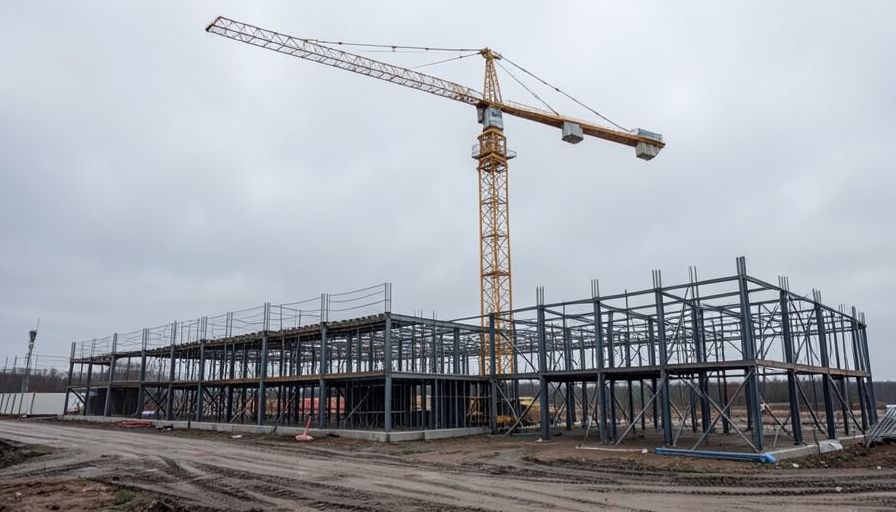
When a judge freezes a major construction project overnight, it can look like extraordinary power. It is actually a routine legal tool, and a version of it is available to an ordinary homeowner too.
Whether it is a giant development or a neighbor pouring a foundation over your property line, the legal device that stops the bulldozers is the same: an injunction. It is a court order telling someone to stop doing something, and it exists precisely for situations where waiting for a normal lawsuit to finish would let irreversible damage happen first. Understanding how injunctions work explains both the headline-grabbing halts and the options a regular person has when construction next door goes wrong.
Here is how a court injunction can halt a construction project, the standard judges use to grant one, and what it takes to actually get it.
In brief
An injunction is a court order to stop an activity, and courts use it to pause construction when money damages later would not fix the harm. There are three main types: a short emergency TRO, a preliminary injunction that lasts through the lawsuit, and a permanent one at the end. To win a preliminary injunction, the person asking generally must satisfy a four-part test: likely to win the case, likely irreparable harm, the balance of harms in their favor, and the public interest. Construction fits this well because you cannot undo a demolished building or a cleared forest.
Table of Contents
What an injunction actually is
An injunction is a court order requiring someone to do, or more often to stop doing, a specific act. It is different from the usual outcome of a lawsuit, which is money. Courts reach for an injunction when money paid after the fact would not be an adequate remedy, and construction is a textbook example: no cash award truly undoes a bulldozed historic building or a slope that has already been cut into. In federal court, the mechanics live in Rule 65 of the civil procedure rules, and most states have close equivalents.
The three types: TRO, preliminary, and permanent
Not all injunctions are the same, and the differences are mostly about timing:
| Type | How long | When it is used |
|---|---|---|
| Temporary restraining order (TRO) | Days, very short | An emergency freeze, sometimes granted fast and briefly before the other side is even heard |
| Preliminary injunction | Through the lawsuit | Granted after a hearing to hold things in place while the case is decided |
| Permanent injunction | Indefinite | Part of the final judgment once the case is actually won |
In a construction fight, the drama usually happens at the first two stages, because a project can be finished long before a full trial ends. The TRO buys days, and the preliminary injunction buys the length of the case.
The four-part test courts apply
Judges do not halt projects on a whim, and in federal court the standard comes largely from the Supreme Court’s decision in Winter v. Natural Resources Defense Council. To earn a preliminary injunction, the party asking generally has to show all four of these:
- They are likely to win the underlying case on the merits.
- They are likely to suffer irreparable harm without the injunction, meaning harm that money cannot later repair.
- The balance of harms tips in their favor, weighing their injury against the cost of stopping work.
- An injunction serves the public interest.
The irreparable harm factor is usually the pivot. After Winter, that harm has to be likely, not merely possible, and it has to be the kind money cannot fix. That is exactly why environmental and historic-preservation claims so often succeed at pausing construction, and why a dispute that is really just about money often does not.
Why construction is a classic injunction case
Construction has a built-in feature that fits the irreparable-harm requirement: much of it cannot be reversed. Once old-growth trees are cut, a wetland is filled, or a landmark is demolished, no verdict brings them back. So the common grounds for halting a project tend to involve permanent change plus a legal violation, such as building without required permits, skipping a mandatory environmental review, encroaching over a property line, or threatening a protected species or historic site. The pattern is consistent: a plaintiff argues that if the work is not stopped now, the very thing the lawsuit is about will be gone before the court can rule.

Can a regular person stop a neighbor’s construction?
In principle, yes, and it is a common reason people end up in court. If a neighbor is building over your property line or without permits, the same injunction process is available to you. In practice, three things matter. You need standing and an actual legal violation, not just annoyance at the noise or the view. Speed is critical, because a court is far more willing to pause work that has not happened than to order something torn down after it is finished. And you will almost certainly need a lawyer to move quickly, along with the possibility of posting a bond to cover the other side’s losses if you turn out to be wrong.
What happens after a halt
An injunction pausing construction is rarely the end of the story. The court often requires the winning party to post a bond, the losing side can appeal, and the underlying lawsuit still has to be decided. An injunction can also be dissolved or modified if circumstances change, and work may resume if the party that was halted ultimately prevails or fixes the problem. A pause, in other words, is a freeze on the status quo while the real dispute plays out, not a final ruling on its own.
This article is general information, not legal advice. Injunction standards and procedures vary by court and jurisdiction, and these cases move fast, so consult a qualified attorney promptly about any specific situation.
Frequently asked questions
Can a court really stop a construction project?
Yes. Through an injunction, a court can order construction to pause, typically when allowing it to continue would cause irreparable harm that money could not later fix. Courts apply a demanding test before granting one, but halts do happen, especially over permits, environmental review, or property disputes.
What is the difference between a TRO and an injunction?
A temporary restraining order is a very short emergency freeze, sometimes granted quickly and before the other side is fully heard. A preliminary injunction lasts through the lawsuit and follows a hearing, and a permanent injunction is part of the final judgment. All are forms of injunctive relief at different stages.
What does irreparable harm mean?
It is harm that money paid later cannot adequately repair, and after Winter v. NRDC it must be likely rather than merely possible. In construction, irreversible acts like demolishing a building or clearing a forest are common examples, while a purely financial loss usually does not qualify.
Can I stop my neighbor from building on or over my property?
Potentially, through the same injunction process, if you have a real legal violation such as an encroachment or missing permits. Acting fast matters, because courts prefer to pause work rather than order finished construction removed, and you will generally need a lawyer and possibly a bond.
How long does a construction injunction last?
It depends on the type. A TRO lasts only days, a preliminary injunction lasts through the lawsuit, and a permanent injunction is indefinite. Any of them can be appealed, modified, or dissolved as the case develops.
What this means
An injunction is the legal off switch for construction, and it turns on the same question whether the project is a landmark development or a neighbor’s fence: would letting the work continue cause harm that no later payment could undo? If the answer is yes and there is a genuine legal violation, a court can freeze the site while the case is heard. If you are on either side of one of these disputes, speed and a good lawyer matter more than almost anything else. For more consumer and property legal explainers, see The Other Stream’s Law section, and for home and property topics our Home Improve coverage.
Related Posts