Scroll through the right corner of the internet and you will find a familiar lament: nobody respects the arts anymore, artists are told their work is worthless, creativity is treated as a hobby rather than a calling. The feeling behind those posts is genuine, and it comes from somewhere real. But step back from the argument and a more complicated, frankly more hopeful story emerges, one that also explains why art schools and museums are leaning into outreach instead of retreating.
The debate over whether society still values the arts flares up on a schedule. A funding cut, a dismissive comment, an artist venting about being underpaid, and the “nobody respects the arts” posts start again. It is worth taking seriously without taking at face value. The arts are under real pressure in some respects and thriving in others, and the institutions closest to the question are answering it in a specific way: by trying to reach more people, not fewer.
The Short Version
A recurring online debate argues that respect for the arts is declining, fueled by funding threats, low pay, and the sense that AI has made creative work cheap and disposable. The frustration is real, and arts education is under genuine pressure, with cuts that tend to hit low-income schools hardest. But the fuller picture is mixed rather than bleak. The arts and cultural sector added $1.2 trillion to the US economy in 2023, about 4.2 percent of GDP, and grew at more than twice the rate of the overall economy. When the federal government proposed shutting down the National Endowment for the Arts, Congress refused and funded it anyway. In response to the pressure, art schools and museums are widening access through school programs, free admission, and teacher support. The arts are not collapsing. They are being fought over, and the institutions are choosing to open more doors.
Table of Contents
Where the frustration comes from
The complaint is not imaginary, and it helps to name what is actually driving it.
Artists keep pointing to the same wounds. Creative work is expected for free, or for “exposure.” Arts programs are among the first things cut when a school budget tightens. And there is a stubborn habit of treating art as a nice extra rather than a serious discipline or a real job.
In 2026, one thing sharpens all of it: AI. Feeds are full of generated images and text, and illustrators, writers, and designers watch their own styles imitated in seconds and their rates undercut by clients who now expect “good enough” for nothing. A lot of the loudest “no respect for the arts” posts are really about that specific fear, that the skill took years and the machine took the paycheck.
The money threats are not hypothetical either. The federal budget request for fiscal year 2026 called for eliminating the National Endowment for the Arts outright, and in spring 2025 the agency began rescinding and terminating grants that organizations had already been promised, as arts outlets reported at the time. When your livelihood, or your kid’s music class, is on the chopping block, “nobody respects the arts” feels like a fair summary of the year.
What the doom narrative leaves out
Here is the part the angriest version of the argument skips. By the numbers, the arts are an economic heavyweight, not a charity case. The arts and cultural sector added around $1.2 trillion to the US economy in 2023, roughly 4.2 percent of the entire GDP, and it grew at more than twice the rate of the overall economy, according to federal data from the NEA and the Bureau of Economic Analysis. That sector employs nearly 5.4 million people.
Then there is what actually happened to that proposed shutdown. Congress did not eliminate the NEA. It funded the agency at $207 million for fiscal year 2026, the same as the year before, and the House passed the package 397 to 28, a lopsided bipartisan vote that tells you something the doom posts do not. Even in a bitterly divided Congress, cutting the arts to zero was a bridge too far.
Demand backs that up. People stream music constantly, fill theaters, line up for blockbuster museum shows, and pour billions into film, design, and games. The idea that society has stopped valuing art sits awkwardly next to how much art people consume every day. What is really happening is a gap between how much the arts are used and how well the people who make them get paid. That is a different problem than simple disrespect, and a more fixable one.
Why institutions are expanding outreach
Faced with that mix of pressure and demand, art schools and museums made a telling choice. They reached outward. Rather than treating a shaky moment as a reason to hunker down, many are widening access, especially for the students most likely to be shut out.

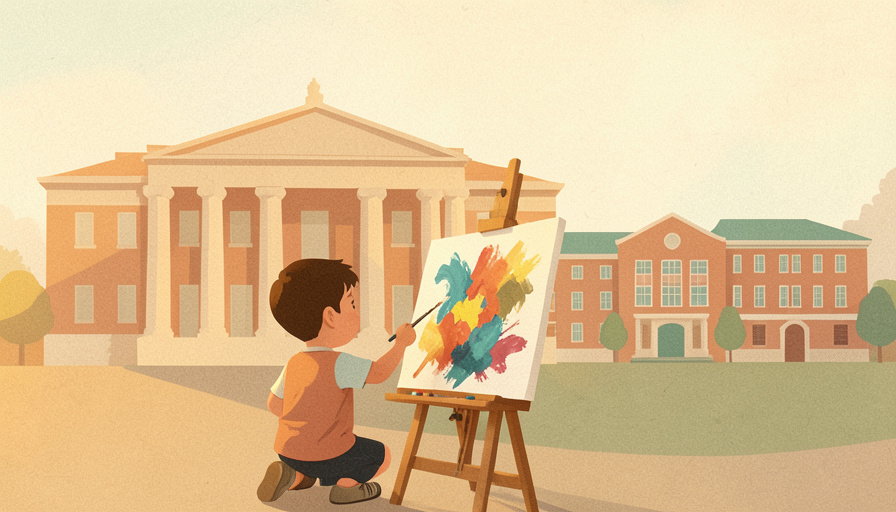
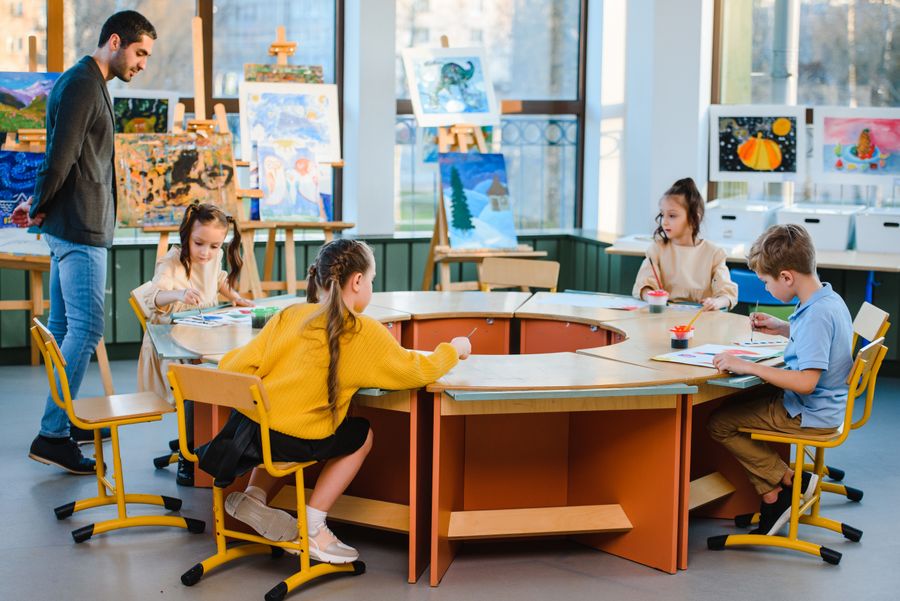
The playbook is practical, not grand. Free admission days and evenings. School field trips and standing partnerships with nearby districts. Teaching-artist residencies. Professional development so a regular classroom teacher feels confident running a printmaking lesson without an art degree. The logic is simple: respect for the arts is built by exposure. A child who paints at an easel, plays a first squeaky note on a clarinet, or wanders a gallery on a school trip is far more likely to value the arts for life. Outreach is the long game against indifference, and you can see the same instinct in local fights over arts spaces, like the ongoing dispute over Santa Monica’s Bergamot Station arts complex.
The equity stakes underneath
There is a fairness dimension here that makes outreach more than feel-good programming. When arts education gets cut, it does not get cut evenly. Wealthier schools and families backfill with private lessons, museum memberships, and summer programs. Lower-income schools and students usually cannot.
So a quiet retreat from arts funding widens an opportunity gap, reserving creative education for the families who can already pay for it. That is exactly why museum and school outreach aimed at underserved communities carries so much weight. The point reaches past producing the next generation of professional artists. It is about making sure that access to creativity, and everything it does for confidence, focus, and plain joy, is not rationed by a family’s income. Strip away the mission statements and the outreach push is an equity project.
What this means for the debate
So the next time the “nobody respects the arts” argument rolls around, try holding two things at once. The frustration is legitimate. Creative work is undervalued in pay and stability, AI is squeezing working artists right now, and arts education really is under threat in a lot of places. And the despair is overstated. The arts are economically huge, culturally central, and defended hard enough that a proposed shutdown died in a Congress that agrees on almost nothing.
The honest response is neither to shrug off the complaint nor to catastrophize. It is to back the arts concretely: pay artists fairly, show up for local institutions, and support the outreach that keeps the door open. The arts are not dying of neglect. They are contested, and worth contesting for.
What To Know
- The online “declining respect for the arts” debate reflects real frustration over pay, funding cuts, and AI undercutting creative work.
- Arts funding cuts tend to hit low-income schools and communities hardest, widening an access gap.
- The arts sector added roughly $1.2 trillion to the US economy in 2023, about 4.2 percent of GDP, growing faster than the economy overall.
- A federal proposal to eliminate the NEA failed; Congress funded it at $207 million for FY2026 with strong bipartisan support.
- Art schools and museums are responding by expanding outreach, free access, and teacher support rather than pulling back.
Frequently Asked Questions
Is respect for the arts really declining?
It is complicated. Artists face real problems with pay and funding, arts education is under pressure, and AI now competes with paid creative work, which all fuel the feeling. But people consume enormous amounts of art, and the sector is economically large and still growing. The bigger issue is undervaluing artists’ work, not a wholesale loss of interest in art.
How much do the arts contribute to the economy?
The arts and cultural sector added about $1.2 trillion to the US economy in 2023, roughly 4.2 percent of GDP, and it grew at more than twice the rate of the overall economy. It also employs close to 5.4 million people. That scale sits at odds with the idea that society no longer values the arts.
Did the government cut arts funding in 2026?
The federal budget request for fiscal year 2026 proposed eliminating the National Endowment for the Arts, and the agency terminated some grants in spring 2025. But Congress rejected the elimination and funded the NEA at $207 million, level with the prior year, in a strongly bipartisan vote.
Why are museums and art schools expanding outreach?
Because exposure builds lasting appreciation, and because access is uneven. Through school programs, free days, and teacher support, especially in underserved communities, institutions reach students who might otherwise miss out, which strengthens both future audiences and fairness in arts education.
How can I support the arts in practice?
Pay artists rather than expecting free work, show up for local museums, theaters, and music, back arts education in your schools, and support outreach programs that widen access. Concrete support moves the needle more than debating the arts’ value online.
Final Word
The argument over whether we still respect the arts will keep resurfacing, because it touches something people feel in their gut. The most useful stance is a clear-eyed one: take the frustration seriously, especially around pay, AI, and access, and reject the doom. The arts are woven through the economy and daily life, and the institutions closest to them are answering this moment by opening more doors, not fewer. Respect for the arts is not lost. It gets built, one class and one gallery visit at a time. For more on culture and creativity, browse The Other Stream’s Arts section.
Related Posts