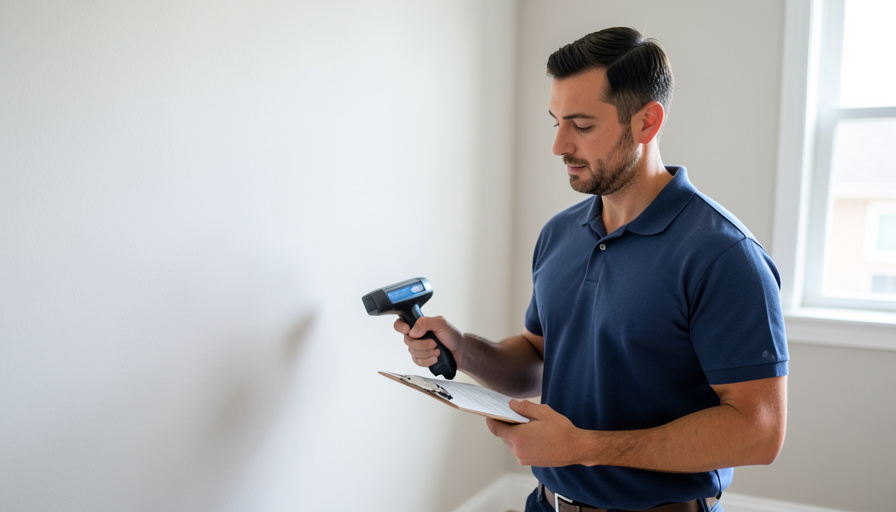
A company offers a free mold inspection, sends someone out, and, surprise, they find mold, along with an urgent, expensive plan to remove it. The free test feels like a favor. It is usually a sales tool, because a business that only earns money by finding and fixing a problem has every reason to find one whether it is really there or not. That conflict of interest is where mold scams begin.
Real mold problems exist and sometimes need professional help, so the goal is not to ignore mold, but to spot when a “free test” is the setup for an inflated or invented job. Here are twelve red flags, and how to hire testing and remediation the right way.
In brief
The core problem is a conflict of interest: the company that tests for mold should not be the one paid to remove it. Watch for a free inspection that always finds a problem, scare tactics about toxic black mold, no lab results behind the diagnosis, no license or certification, a large upfront deposit, and high-pressure demands to sign the same day. Good mold work uses an independent tester, lab-confirmed results, a licensed remediator who contains the area properly, and a separate clearance test at the end to prove it worked. If the “free test” pushes you toward an instant, vague, expensive contract, slow down and get an independent opinion.
Table of Contents
1. The free test that always finds a problem
A free inspection is the hook, and the catch is that it almost never comes back clean. When finding mold is the only path to a paid job, the incentive is to find it. A genuinely free, no-strings inspection from a company that also profits from remediation should make you more skeptical, not less. Treat a “free” test that immediately produces an urgent, costly diagnosis as a sales pitch until an independent source confirms it.
2. The tester and the remediator are the same company
This is the central red flag that most others flow from. The company diagnosing your mold problem should not be the same one you pay to fix it, because it profits from finding as much mold as possible. Independent, third-party testing removes that incentive. If one outfit tests, scares, and then quotes the removal all in the same visit, you have no neutral check on whether the work is needed or the price is fair.
3. Scare tactics about toxic black mold
Fear sells remediation. Dramatic language about toxic or deadly black mold, delivered to rush you into signing, is a classic pressure tactic. Mold can genuinely affect health and should be handled properly, but a legitimate professional explains the situation calmly and factually rather than leaning on panic. If the pitch is built on frightening you about your family’s safety to close a same-day deal, the fear is the product, not the diagnosis.
4. No lab results behind the diagnosis
A credible mold finding is backed by samples sent to an independent lab, not just someone pointing at a stain and naming a fee. If a company diagnoses a serious mold problem with no lab analysis, or refuses to share the actual results, you have no evidence anything is wrong. Ask for the lab report and who tested it. A diagnosis with no data behind it is not a diagnosis, it is a sales claim.
5. No license, certification, or insurance
Where mold remediation is regulated, the contractor should hold the required license or certification and carry insurance, and be willing to show proof. An operator who cannot or will not produce credentials is a serious risk, both for doing the work badly and for having no accountability if it goes wrong. Check what your state or locality requires and verify it yourself, rather than trusting a logo on a van or a claim on a flyer.
6. A large upfront deposit
Asking for a big payment before any work begins is a classic contractor-scam move across trades, and mold is no exception. A large upfront deposit, especially in cash, risks a company that takes the money and underdelivers or disappears. Reasonable jobs are paid in stages tied to progress, not fronted in full. Be wary of any remediator who wants a hefty deposit before you have seen a written scope and verified their credentials.
7. Air-quality fearmongering to upsell
Beyond the walls, some scams pivot to your air, claiming your home’s air quality is dangerously contaminated and needs costly extra services. It is an easy fear to sell because air is invisible, and hard for a homeowner to independently check on the spot. Broad claims that your air is toxic, used to pile on treatments, deserve the same skepticism as the original diagnosis: ask for the data, and get an independent opinion before buying an expanded scope.
8. The “we’ll just bill your insurance” pitch
An offer to handle everything through your insurance so it “costs you nothing” can hide inflated or fraudulent claims, which can come back on you. Some operators pad the scope because an insurer is paying, or push work your policy does not actually cover. Deal with your insurer directly, understand what is covered, and be cautious of a contractor who treats your insurance as a blank check. Insurance fraud is not a favor, and you can be left holding the consequences.
9. Tear-out without containment
How the work is done matters as much as whether it is needed. Proper remediation seals off the area with containment barriers and controls airflow so spores do not spread through the house. A crew that rips out materials with no containment, no protective setup, and no dust control can make the problem worse and spread it to clean areas. Sloppy, unprotected tear-out is a sign of an operation more interested in the invoice than the outcome.

10. No post-remediation clearance test
The job is not finished until something independent confirms it worked. A legitimate process ends with a separate clearance test, ideally by a different party than the one who did the removal, to verify the area is actually clean. A company that does not offer or allow a clearance test is asking you to take its word that the problem it diagnosed is now gone. Without that final check, you have paid for a result no one has verified.
11. A vague scope with no written protocol
Real remediation follows a written plan: what will be removed, how, over what area, and to what standard. A quote that is a single lump sum with no itemized scope or protocol leaves you unable to tell what you are paying for or hold anyone to it. Insist on a detailed written scope before agreeing to anything. Vagueness protects the contractor and exposes you, which is exactly why a scam prefers it.
12. High-pressure, same-day contracts
The finishing move is urgency: sign today, because the mold is spreading and the price is only good now. Pressure to commit on the spot, before you can get a second opinion or verify credentials, is the hallmark of a scam across home services. Mold that has been in your wall for months will not become a catastrophe if you take a few days to get an independent test and compare quotes. Any legitimate professional will wait; a scam cannot afford to.
How to hire mold testing and remediation the right way
Do it in the right order and the scams fall away. Start with an independent inspector or testing company that does not also do remediation, so the diagnosis has no sales motive, and get lab-confirmed results you can keep. If work is genuinely needed, hire a separate, licensed and insured remediator, and require a detailed written scope that includes proper containment. When the job is done, have a clearance test performed by an independent party to confirm it worked. Pay in stages, never a large cash deposit up front, and refuse any same-day pressure. Guidance from the EPA’s mold resources can help you understand what proper remediation involves. For another home hiring situation worth handling carefully, see our checklist on renter-safe smart lock installs.
This article is general information, not medical, legal, or professional remediation advice. Mold can affect health and licensing rules vary by location, so consult qualified, independent professionals and your local authorities about testing, health concerns, and any suspected fraud.
Frequently asked questions
Are free mold inspections a scam?
Not always, but they carry a built-in conflict of interest when the company offering the free test also profits from removing mold. That incentive to find a problem is why free inspections so rarely come back clean. Treat a free test’s urgent, costly diagnosis as a sales claim until an independent source confirms it.
Should the same company test and remove mold?
Ideally not. The company diagnosing mold should be independent from the one paid to remove it, so the diagnosis has no sales motive. Use a separate testing company for lab-confirmed results, then hire a licensed remediator, and have an independent clearance test at the end to verify the work.
What proof should a mold company provide?
Lab results from independent sampling behind any diagnosis, proof of the required license, certification, and insurance, and a detailed written scope of work. If a company diagnoses a serious problem with no lab data, no credentials, or only a vague lump-sum quote, treat those as red flags and get a second opinion.
Is toxic black mold as dangerous as companies claim?
Mold can affect health and should be handled properly, but dramatic “toxic black mold” language used to rush you into a same-day contract is a pressure tactic. A legitimate professional explains the situation calmly and backs it with data. If the pitch runs on fear rather than evidence, be skeptical and seek an independent assessment.
What is a clearance test and why does it matter?
A clearance test is an independent check after remediation to confirm the area is actually clean, ideally done by a different party than the one who removed the mold. Without it, you are trusting the remediator’s word that the problem is gone. A company that will not allow a clearance test is a warning sign.
The bottom line
A free mold test is only as trustworthy as the incentive behind it, and when the tester profits from finding mold, that incentive is against you. Keep testing and removal separate, demand lab results and credentials, insist on containment and an independent clearance test, and never sign a vague, expensive contract under same-day pressure. Real mold gets handled properly; scams need you to rush. For more on maintaining and protecting your home, browse The Other Stream’s Home Improve section.
Related Posts