
A student paid for a pottery class, handed over their finished pieces to be glazed by the studio, and got back something they barely recognized. The internet had opinions. Underneath the pile-on is a real question worth answering: why do some studios refuse to let you glaze your own work?
The post that kicked this off was blunt. “Took a pottery class. Studio insisted on glazing themselves. This is how my work turned out.” The photos showed muddy, run-heavy glaze on pieces that had clearly started out clean. Nearly 30,000 people upvoted it, and close to a thousand piled into the comments, most of them some version of “the people you paid to teach you did that?” It is a fair reaction. It is also missing half the story.
Short Answer
Many pottery studios glaze student work in-house for legitimate reasons: a badly glazed pot can fuse to a kiln shelf and destroy it, and improperly applied glaze can make a mug unsafe to drink from. Controlling glazing protects expensive equipment and keeps food-contact pieces safe. The problem in the viral case was not the policy itself, but poor execution: the studio kept control and still ruined the pieces. If you are booking a class, the fix is to ask two questions up front, whether you glaze your own work and who is liable if a piece comes back damaged.
Table of Contents
What actually happened
The details, pieced together from the original thread, are simple. A beginner took a class, threw some pots, and the studio’s policy was that staff would glaze and fire everything. When the work came back, the glaze had run and pooled, colors had gone flat and streaky, and the shapes were buried under a bad coat. The student admitted they almost did not complain, worried about looking like “a Karen” and reluctant to hurt a small business with a bad review.
That hesitation is the part I keep thinking about. A lot of people pay for a creative class, get a disappointing result, and then talk themselves out of saying anything because the business is small and local. Worth remembering: paying for a service and expecting it done competently is not entitlement. It is the deal.
Why some studios insist on glazing your work
Here is the context the comments mostly skipped. In-house glazing is common, and the reasons are not about control for its own sake.
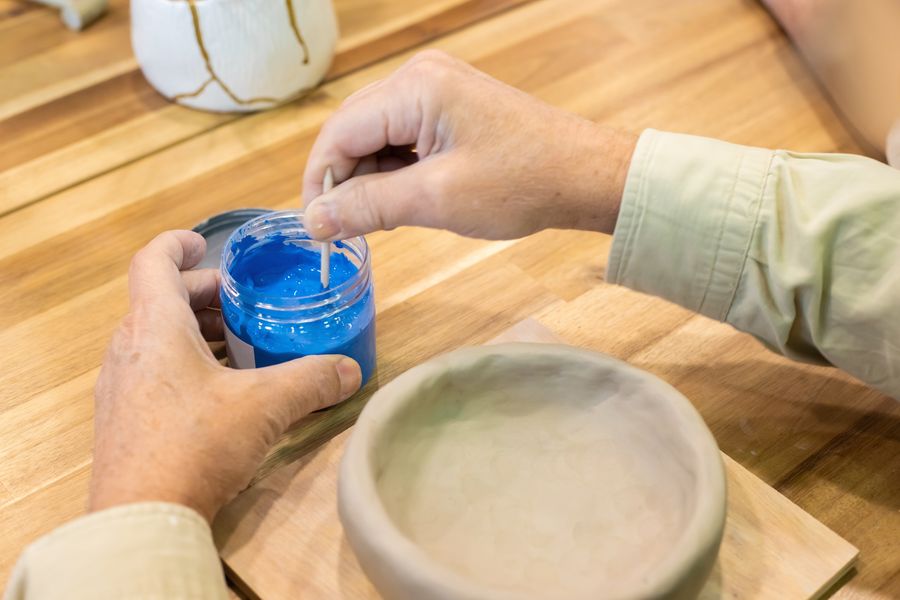
The biggest reason is the kiln. When glaze is applied too thickly or too low on a pot, it melts and runs during firing, then fuses the piece to the kiln shelf. Those drips harden into sharp ridges, and a ruined shelf is expensive to replace. One careless beginner can damage equipment that serves dozens of other students, which is why many community studios keep glazing under staff control.
Food safety is the second reason, and it is less obvious. A glaze that is crazed, blistered, or underfired may not be safe to eat or drink from, and studio glaze chemistry can vary from batch to batch. Ceramics educators note that no recipe is guaranteed food-safe across every kiln and firing without testing, so studios that sell mugs and bowls as usable often standardize on premixed, lead-free, food-safe glazes applied by trained hands. You can read a plain-language rundown of those risks on Glazy’s glaze safety guide.
So where did this studio go wrong?
This is the honest answer the pile-on deserved: the policy was defensible, the execution was not. A studio that takes glazing out of your hands is making a promise. It is saying, in effect, we will do this better than a beginner would. When the staff then delivers runny, muddy glaze on pieces a student spent hours making, the studio has failed at the one job it reserved for itself.

Both things can be true at once. In-house glazing can be a reasonable policy, and this particular studio can have done a genuinely bad job. The lesson is not “all glazing policies are a scam.” It is that a policy is only as good as the people executing it.
What to ask before you book a pottery class
A few questions save a lot of disappointment. Ask them before you pay, not after your pieces come out of the kiln:
- Do students glaze their own work, or does staff do it? Neither answer is wrong, but you want to know which experience you are buying.
- If staff glazes, can you at least choose the colors and see examples of past results?
- What happens if a piece is damaged or comes back badly glazed? Is there a re-fire, a refund, or nothing?
- Can you see finished student work rather than only the instructor’s portfolio pieces?
- Is this a “paint your own pottery” drop-in or a real wheel-throwing class? They are very different products at very different prices.
If your piece comes back ruined
You are allowed to say something. Start with a direct, calm message to the studio describing what happened and asking what they can do, a re-glaze, a re-fire, or a partial refund. Most reputable studios would rather fix it than lose a customer. If they brush you off, an honest, specific review that describes the glazing policy and the result is useful information for the next person, and it is not “tanking” a business to report your real experience. The goal is accuracy, not revenge.
What To Know
- In-house glazing is a common studio policy, mainly to protect kiln shelves and ensure food-safe results.
- The viral complaint was about bad execution, not the existence of the policy.
- A studio that reserves glazing for staff is promising a better result and owns the outcome when it goes wrong.
- Ask about glazing rules, color choices, and damage policy before you book.
- If a piece is ruined, contact the studio first; an honest review is fair if they refuse to make it right.
Frequently Asked Questions
Why won’t some pottery studios let you glaze your own pieces?
Mostly to protect their kilns and ensure safety. Poorly applied glaze can run and fuse a pot to the kiln shelf, damaging shared equipment, and incorrectly glazed pieces may not be food-safe. Keeping glazing under trained staff reduces both risks.
Is in-house glazing normal for pottery classes?
It is fairly common, especially in community and drop-in studios that fire a lot of beginner work in shared kilns. Many wheel-throwing classes do let students glaze their own pieces, so it varies by studio. Ask before booking so you know what to expect.
Can a studio ruin your pottery when they glaze it?
Yes. Glaze that is applied too thick, chosen poorly, or fired incorrectly can run, blister, or turn muddy. When a studio reserves glazing for staff, it takes responsibility for those results, so a badly glazed piece is a service failure worth raising with them.
What should I do if my class pottery comes back damaged?
Contact the studio directly and describe the problem, then ask about a re-glaze, re-fire, or partial refund. Most studios want to keep customers and will try to fix it. If they refuse, a factual review of your experience is reasonable.
Are studio-glazed mugs safe to drink from?
They should be if the studio uses lead-free, food-safe glazes applied and fired correctly, which is part of why some studios control glazing. If a glaze looks crazed, cracked, or rough on the drinking surface, treat the piece as decorative and ask the studio about it.
The Bottom Line
The viral pottery post is a small story with a useful lesson for anyone paying for a hands-on class. A studio that glazes your work is not automatically ripping you off, and a policy meant to protect kilns and keep mugs safe is reasonable. The moment that policy becomes a broken promise is when the studio does the job badly and shrugs. Ask the right questions before you sign up, and speak up if the result is wrong. For more on small-business practices and consumer choices, browse The Other Stream’s Business section, or our Family & Personal coverage for more on hobbies and everyday life.
Related Posts