Sony is set to collect roughly $508 million in tariff refunds. If you bought a PS5 or an Xbox during the price spike, almost none of that is coming your way. Here is why.
When the Supreme Court threw out the tariffs that pushed console prices up in 2025, a lot of buyers did some quick math and reached the same hopeful conclusion: the government is refunding the import fees, so the refund should trickle back to whoever paid the higher sticker. Sony and Microsoft have now told two federal courts, in plain language, that it will not. Their lawyers argue they owe console owners nothing, and the paperwork they filed is surprisingly blunt about it.
Bottom Line First
Sony and Microsoft both say they are under no legal obligation to pass tariff refunds on to console buyers, and they have asked judges to dismiss the class-action suits demanding it. Sony expects about $508 million back from the U.S. government after the Supreme Court struck down the tariffs in February 2026, with most of that tied to its gaming division. The companies’ core argument is that paying an advertised price for a console you chose to buy is not a legal injury, even if tariffs helped set that price. For now, no console maker except Playdate’s Panic has promised to refund customers.
Table of Contents
What Sony and Microsoft actually argued in court
The lawsuits are real, and they landed months apart. A PS5 buyer sued Sony in a California federal court back in May 2026. An Xbox owner filed a similar proposed class action against Microsoft in Washington State in July. Both suits make the same basic claim: the companies raised prices because of tariffs, the tariffs got refunded, so the money belongs to the people who overpaid.
Sony’s response, filed as a motion to dismiss, does not really hide the ball. Its lawyers wrote that “paying fair market price for voluntarily purchased consumer goods is not a legally cognizable injury in fact.” Translated out of legalese: you agreed to the price, you got the console, so there is no harm the court can fix. Microsoft took the same line, arguing there is “nothing unjust about Plaintiff purchasing an Xbox at an advertised price and getting exactly what he paid for,” as PC Gamer reported.
There is a second argument buried in the filings that matters more than it looks. Sony pointed out that it raised the PS5 price again in spring 2026, after the Supreme Court had already invalidated the tariffs. If the first increase were purely about import fees, the company asked, why raise prices a second time once those fees were gone? Sony’s lawyers listed the usual suspects instead: inflation, currency swings, component costs, logistics, and plain old demand. It is a clever move, because it muddies the direct line between “tariff” and “the extra $50 you paid.”
Why your console cost more in the first place
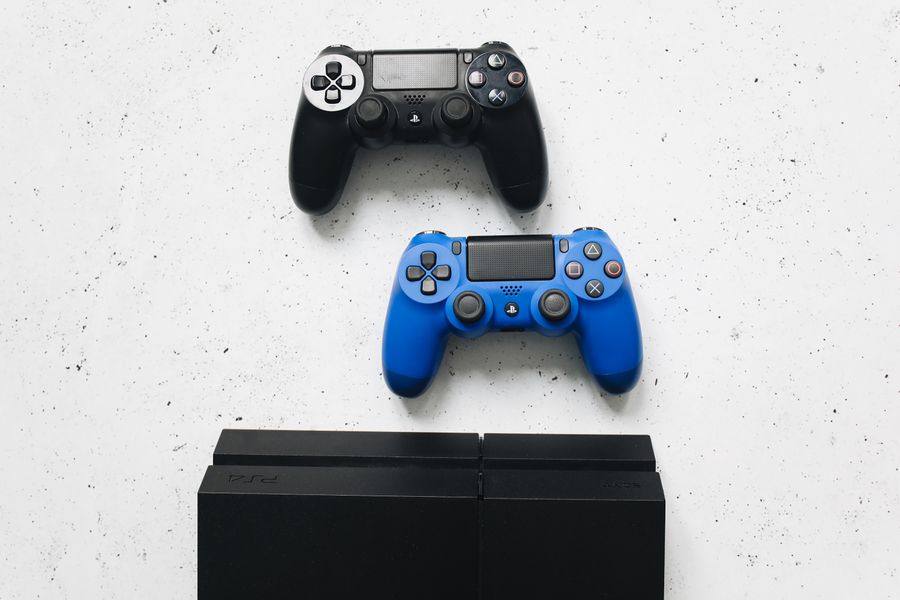
To see why buyers feel cheated, it helps to walk the price timeline. Microsoft raised Xbox hardware prices twice in 2025, once in the spring and again in September. Sony pushed the PS5 up by $50 in August 2025, blaming a “challenging economic environment,” then raised it again the following spring. None of these were small nudges. For a lot of households, a console is the single most expensive gadget they buy in a given year, and the increases stacked on top of game prices that were already creeping toward $80.
Then February 2026 changed the picture. In a 6-3 decision, the Supreme Court ruled that the International Emergency Economic Powers Act did not give the president the authority to impose the sweeping import tariffs introduced in 2025, a holding the court tied to Congress’s constitutional power over taxes. You can read the ruling summary on SCOTUSblog. Because the tariffs were unlawful, importers who had paid them became eligible for refunds. That is how Sony ended up owed roughly half a billion dollars, most of it collected between April and June 2026.
The one gaming company refunding buyers
Here is the detail that turned this from a dry legal story into a viral one. Panic, the small studio behind the Playdate handheld, said it would return its tariff refund to the customers who had paid the inflated price. Panic is a niche player, not a console giant, and that is exactly why the contrast stung. If a tiny hardware maker can figure out how to send money back, the argument goes, the reluctance from Sony and Microsoft looks like a choice rather than an impossibility.
Worth noting: the giants are not outliers. As one heavily upvoted comment on the r/gaming thread put it, “99% of companies who received refunds are keeping it.” Across industries, businesses that paid the illegal tariffs are mostly pocketing the money rather than crediting past buyers. Panic is the exception that made everyone notice the rule.

Can console buyers actually get money back?
Short answer: probably not, and it is worth understanding why before you get your hopes up. A tariff refund flows from the government to the importer that actually paid the duty, which is the company, not the shopper at checkout. There is no automatic mechanism that routes a customs refund down the supply chain to individual buyers. The class actions are trying to create that obligation through consumer-protection and unjust-enrichment theories, but the companies’ “you paid an agreed price” defense is a real legal hurdle rather than corporate bluster.
That does not mean the suits are doomed. Courts could still find that a company crossed a line if it explicitly told buyers a price increase was “because of tariffs” and then quietly kept the refund. Motive, marketing language, and internal documents will matter. But these cases will take a long time, and a motion to dismiss is only round one. Anyone expecting a quick check in the mail is going to be disappointed.
What to do if you bought a console during the tariff spike
You cannot force a refund on your own, but a few practical steps keep your options open and your expectations grounded:
- Keep your receipt or order confirmation. If a settlement or court-ordered refund ever happens, proof of purchase and the price you paid will be what qualifies you.
- Watch for class-action notices tied to the Sony and Microsoft cases. Legitimate notices arrive through the court’s claims administrator, not a random email asking for your bank details.
- Ignore “tariff refund” messages that ask you to pay a fee or hand over card numbers to “release” your money. That is a scam pattern, not a real claims process.
- If you are buying now, price the console against PC and used-game options. Some players have already decided, in the words of one, that Sony and PC are simply “my go-to platforms now.”
This article is general information, not legal advice. Consumer and refund laws vary by state and change as these cases move through the courts, so consult a qualified lawyer about your specific situation.
What To Know
- Sony and Microsoft filed motions to dismiss the class actions, arguing they owe console buyers no tariff refund.
- Sony expects about $508 million back after the Supreme Court struck down the IEEPA tariffs in February 2026.
- Console prices rose several times in 2025 and again in spring 2026, which weakens the direct “tariff caused it” claim.
- Panic, the Playdate maker, is the rare hardware company promising to refund customers.
- Individual buyers have no automatic path to a refund; keep receipts and watch for official class-action notices.
Frequently Asked Questions
Are Sony and Microsoft legally required to refund console tariffs?
Not according to their own filings. Both companies argue that paying an advertised price for a console is not a legal injury, so they owe buyers nothing even after receiving government tariff refunds. Whether courts agree is still being decided.
How much is Sony getting back in tariff refunds?
Sony has said it expects roughly $508 million in refunds after the Supreme Court invalidated the 2025 tariffs, with most of that amount tied to its PlayStation gaming division. About 70% of it was collected between April and June 2026.
Why did the Supreme Court strike down the tariffs?
In a 6-3 ruling in February 2026, the court held that the International Emergency Economic Powers Act does not give the president authority to impose broad tariffs, because the power to tax imports belongs to Congress. That made the earlier tariffs unlawful and refund-eligible for importers.
Is any console maker actually refunding customers?
Panic, the company behind the Playdate handheld, has pledged to pass its tariff refund back to customers who paid more. Among the major console makers, Sony, Microsoft, and Nintendo have all argued they are not obligated to do the same.
Should I keep my console receipt just in case?
Yes. If any of the class actions succeed or settle, proof of purchase and the price you paid would likely be required to claim money. Keep the receipt and watch for official notices from the court’s claims administrator rather than unsolicited emails.
The Bottom Line
This fight is not really about whether tariffs raised console prices. Almost everyone agrees they did. It is about who is entitled to the money now that the tariffs are gone, and the companies have decided the answer is themselves. That may hold up in court, since buying a product at its listed price is a weak basis for a lawsuit. Still, the optics of collecting half a billion dollars while telling customers they got “exactly what they paid for” will follow these brands into the next price increase. For more consumer and legal coverage, browse The Other Stream’s Law section, or see our ongoing Tech reporting.
Related Posts