Tesla’s robotaxi story runs on two speeds at once: breathless predictions that it will dominate transport, and pointed questions about whether it is safe. Both get loud on social media. The useful move is to ignore both and read the actual safety data, which tells a more grounded story than either camp.
Every viral robotaxi clip, whether it is a triumphant ride or an erratic maneuver, arrives with a confident caption. What it rarely arrives with is context. Federal crash data and a new investigation now give a clearer picture of how Tesla’s robotaxis have actually performed and where regulators are focusing. It is neither the flawless future the hype promises nor the rolling disaster the critics imply. It is something more ordinary and more worth understanding.
The Short Version
Tesla’s robotaxi testing in Austin logged 17 autonomous-system incidents between July 2025 and March 2026, with zero major crashes reported and a handful of minor contact events. Many involved the Tesla vehicle being rear-ended while stopped, not the robotaxi causing a collision, though two notable incidents involved remote human teleoperators taking control and hitting objects at low speed. Separately, in September 2026 the NHTSA opened an audit of about 1,000 Tesla Cybercabs, questioning how Tesla concluded the vehicles meet federal safety rules despite lacking a steering wheel, pedals, and mirrors. The data is reassuring on severity but raises real questions about oversight and design.
Table of Contents
What the crash data actually shows
Start with the numbers, because they cut through a lot of noise.
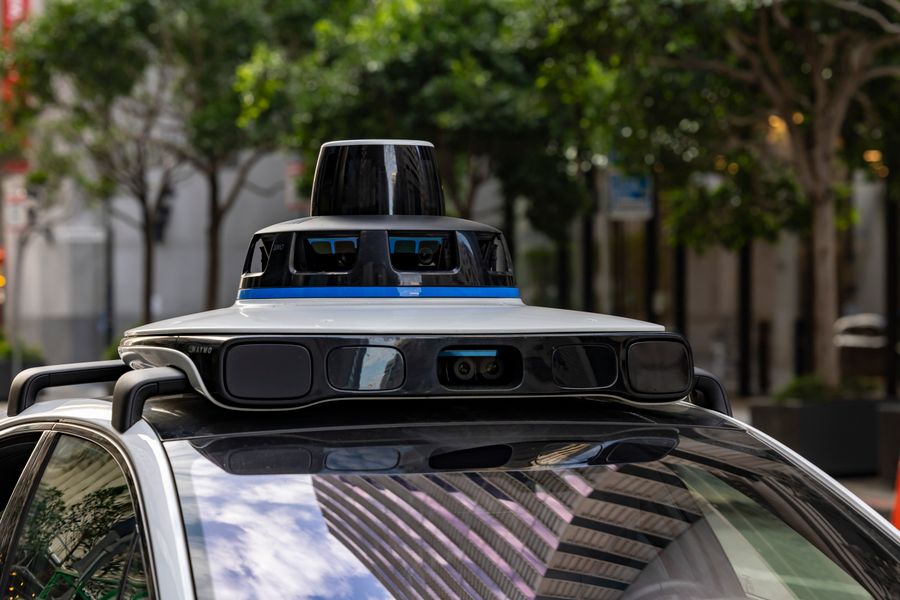
Across the Austin testing period, there were 17 unique autonomous-driving incidents, with no major crashes and a small number of minor contact events where the Tesla system was judged at fault or partly at fault, according to crash narratives filed with NHTSA. The injury tally was light: most incidents were property damage only, and just one involved a minor injury requiring hospitalization. Crucially, a large share of the events were the robotaxi being rear-ended while completely stopped at lights, stop signs, or in traffic, which is a fault pattern that points at the human drivers behind them more than at the autonomous system. Read carefully, the severity picture is genuinely mild.
The two incidents that stand out
Averages hide the interesting cases, and two here are worth naming because they complicate the “the AI is the risk” framing. In July 2025, a remote teleoperator, a human taking over when the system stalled, drove a robotaxi up a curb and into a metal fence at about 8 mph after the autonomous system failed to proceed. That produced the one hospitalization. In January 2026, another teleoperator drove a robotaxi into a construction barricade at around 9 mph. Both of the more notable incidents involved a human in the loop, not the autonomous system driving itself into trouble. That does not exonerate the technology, but it reframes the debate: the human fallback is not automatically the safer option.
The new Cybercab investigation
The fresh scrutiny is not really about those Austin crashes. In September 2026, NHTSA opened an audit covering roughly 1,000 Tesla Cybercab vehicles, focused on how Tesla justified its conclusion that the robotaxis meet federal motor-vehicle safety standards, as Quartz reported. The specific concern is hardware: the Cybercab ships without a steering wheel, brake and accelerator pedals, or mirrors, the standard driver-operated equipment federal rules generally assume. The probe landed just as Tesla began commercially deploying a small number of Cybercabs. This is the substantive safety story, and it is a regulatory-design question, not a crash-rate one.
Why “hype versus safety” is the wrong frame
The social-media fight treats this as a binary: robotaxis are either the future or a menace. The data supports neither extreme. Severity so far has been low, and the scariest incidents involved human teleoperators, which undercuts the pure “AI is dangerous” line. At the same time, deploying vehicles without basic driver controls before regulators have signed off is a legitimate oversight concern, which undercuts the pure “everything is fine” line. Holding both is uncomfortable for a hot take but closer to reality. The honest question is not whether robotaxis are safe in the abstract, but whether the approval process kept pace with the deployment.

What to watch as robotaxis expand
As these vehicles spread beyond a single city, a few signals will matter more than any viral clip:
- Whether crash severity stays low as mileage and locations scale up, which is when rare failure modes appear.
- How the Cybercab audit resolves the missing-controls question, since it sets a precedent for driverless design.
- How often teleoperators intervene, and how well those handoffs go, given the two standout incidents.
- Whether disclosure stays transparent, since public trust depends on seeing the real numbers, good or bad.
What To Know
- Tesla’s Austin robotaxis logged 17 incidents from July 2025 to March 2026 with no major crashes.
- Many events were the robotaxi being rear-ended while stopped, a fault pattern pointing at other drivers.
- The two most serious incidents involved human teleoperators, not the autonomous system alone.
- NHTSA opened a September 2026 audit of about 1,000 Cybercabs over missing driver controls.
- The real question is regulatory oversight and design, not a high crash rate.
Frequently Asked Questions
How many crashes have Tesla robotaxis had?
Tesla’s Austin testing recorded 17 autonomous-system incidents between July 2025 and March 2026, with no major crashes and a handful of minor contact events. Most resulted in property damage only, and just one caused a minor injury requiring hospitalization.
Are the robotaxi crashes Tesla’s fault?
Often not. A large share of the incidents involved the robotaxi being rear-ended while stopped at lights or in traffic, which typically points to the following driver. The two most serious incidents, however, involved human teleoperators taking control and hitting objects at low speed.
Why is NHTSA investigating the Tesla Cybercab?
NHTSA opened a September 2026 audit of roughly 1,000 Cybercabs to scrutinize how Tesla concluded they meet federal safety standards despite lacking a steering wheel, pedals, and mirrors. The probe followed the start of commercial Cybercab deployment.
Are Tesla robotaxis safe?
The severity data so far is reassuring, with mostly minor incidents and no reported major crashes. The open concerns are about oversight and design, particularly deploying vehicles without standard driver controls, rather than a high rate of serious accidents.
Do human teleoperators make robotaxis safer?
Not automatically. The two most notable Tesla incidents involved teleoperators taking control and driving into a fence and a barricade at low speed. That suggests the human fallback carries its own risks, which is part of why the handoff process is worth watching.
The Bottom Line
Strip away the hype and the outrage, and Tesla’s robotaxi record so far is low-severity, with the worst moments coming from human intervention rather than runaway AI. That is genuinely reassuring. The part that deserves scrutiny is not the crash count but the deployment of vehicles without basic driver controls ahead of a full regulatory sign-off, which is exactly what the new audit targets. Safe technology and sound oversight are different questions, and this story turns on the second one. For more on autos and autonomy, browse The Other Stream’s Autos section, or our Tech coverage.
Related Posts