
A pottery student shared a photo of the mug they made in a class, next to the muddy, not-quite-right glazed version they got back. The catch: the studio insisted on glazing it themselves, and reportedly had the whole class vote on a single color. The post went viral, thousands of people piled in, and a genuinely interesting small-business argument broke out. Because both sides have a point, and the fight is really about expectations, not glaze.
Stories like this keep surfacing, and studios are quietly rethinking their policies as refund demands follow. On the surface it looks like a studio being controlling. Underneath, there are real, boring, legitimate reasons a studio might not let beginners glaze their own pieces, and there are equally real reasons customers feel shortchanged when that happens. Untangling the two explains why this keeps blowing up, and what a well-run studio can do about it.
Bottom Line First
Some pottery studios apply glaze to students’ work themselves rather than letting beginners do it, and viral complaints about the practice have pushed studios to revisit their policies. The reasons studios do it are practical: improperly applied glaze can run in the kiln and ruin both the piece and the expensive kiln shelf, some glazes must be applied correctly to be food-safe, and consistency protects the studio’s reputation. The reason customers hate it is just as valid: glazing is the fun, creative, personal part, and having it done for you, or by class vote, makes the experience feel pointless. The real failure is usually expectations, not policy. Studios that explain the rule upfront, or offer supervised glazing, avoid the refund fights entirely.
Table of Contents
Why studios control the glazing
The policy sounds precious until you understand what can go wrong in a kiln.
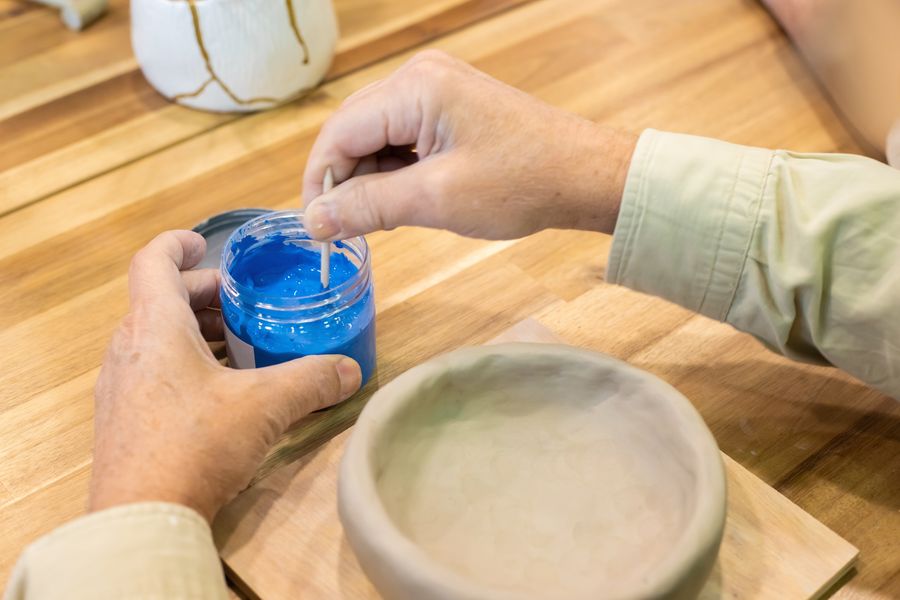
There are three real reasons a studio might insist on glazing. First is kiln safety: glaze is essentially glass, and if it is applied too thickly or too close to the base, it melts and runs off the pot during firing, fusing it to the kiln shelf and destroying an expensive piece of equipment. Cleaning or replacing a shelf is costly, and one careless beginner can ruin a whole load of other people’s work. Second is food safety, since certain glazes must be applied and fired correctly to be safe on mugs and bowls people will actually eat and drink from. Third is consistency and reputation: a studio’s finished pieces are its portfolio, and wildly uneven results reflect on the business. None of that is about control for its own sake. It is risk management.
Why customers feel cheated anyway
Here is the other half, and it is just as legitimate. For most people, glazing is the entire point. Throwing or shaping a pot is satisfying, but the glaze is where a lump of clay becomes yours, your colors, your choices, your slightly wonky sense of style. Take that away and hand back a piece finished by someone else, or worse, a color the class voted on, and the experience collapses into a craft you paid to watch rather than do. That is why these posts strike a nerve. The customer did not simply dislike the color; they felt the promise of the class, make something of your own, was quietly broken. A technically flawless mug that does not feel like yours is a poor substitute for a slightly imperfect one that does.
The real problem is expectations, not policy
Notice what actually goes wrong in these stories. It is rarely the existence of a glazing rule; it is that nobody told the customer before they signed up and got attached to the idea of finishing their own piece. A studio that says plainly, at booking, “for kiln safety, our staff apply the final glaze, but you choose your colors and design” sets a completely different expectation than one that springs it on a class at the end. The viral disasters are almost always expectation failures, someone expecting a full hands-on experience and discovering, too late, that a core part was off-limits. Manage that upfront and the same policy generates zero complaints. Spring it and you get a refund demand and a screenshot.
What studios can do
For studio owners watching these disputes with dread, there are straightforward fixes that protect both the kiln and the customer:

- State the glazing policy clearly at booking and again at the start of class, not at the end.
- Offer supervised glazing where students apply their own under guidance, keeping the fun while protecting the kiln.
- Let students choose their own colors and design even if staff do the final application, so the piece still feels personal.
- Be honest about what a given class includes, a “make and take” experience is different from a full glaze-it-yourself course, and pricing should match.
- Have a fair, stated policy for pieces that come out badly, so a disappointment does not become a public fight.
The goal is to keep the legitimate safety reasons while giving people the creative ownership they came for.
What customers should ask before booking
If you are signing up for a class, a couple of quick questions save disappointment. Ask whether you will glaze your own pieces or whether staff do it, and whether you at least choose your colors and design. Ask when your piece will be ready, since firing takes time and studios vary. And match your expectations to the format: a quick paint-a-pot session, a beginner wheel class, and a full ceramics course are very different experiences with different levels of creative control. A studio that answers those clearly is one worth trusting. A vague answer is your cue to ask more before you pay.
What To Know
- Some studios glaze students’ pieces themselves, which recently sparked viral complaints and refund demands.
- The reasons are real: kiln safety, food-safe application, and consistent results.
- Customers feel cheated because glazing is the creative, personal part of the experience.
- The usual failure is unmanaged expectations, not the policy itself.
- Clear upfront communication and supervised glazing prevent almost all the disputes.
Frequently Asked Questions
Why won’t some pottery studios let you glaze your own work?
Mainly for kiln safety, food safety, and consistency. Incorrectly applied glaze can run during firing, ruining the piece and the kiln shelf, and some glazes must be applied properly to be food-safe. Studios also protect the quality of their finished work, which represents their business.
Is it normal for a studio to glaze pieces for students?
It happens, especially in short beginner sessions, though many studios let students glaze under supervision. Practices vary widely, which is exactly why you should ask before booking. There is no single industry standard, so the key is knowing a given studio’s policy in advance.
Why are customers so upset about it?
Because glazing is the creative, personal part of pottery, where a piece becomes truly yours. Having it done for you, or having the class vote on one color, makes the experience feel hollow. The frustration is less about the result and more about a broken expectation of hands-on creativity.
How can studios avoid these disputes?
By communicating the policy clearly at booking and again in class, offering supervised glazing, letting students at least pick their colors and design, matching pricing to the actual experience, and having a fair policy for pieces that come out poorly. Most disputes are preventable with upfront clarity.
What should I ask before signing up for a pottery class?
Ask whether you will glaze your own pieces or whether staff do it, whether you choose your own colors, and when your finished work will be ready. Match your expectations to the class format, since a paint-a-pot session differs greatly from a full ceramics course.
Practical Takeaway
The pottery glazing fight looks like a petty complaint and is actually a tidy lesson in running a service business. The studio’s rule makes sense, the customer’s disappointment makes sense, and the whole mess comes down to nobody setting expectations before money and hope changed hands. Studios that explain the policy upfront and preserve some creative ownership keep both their kilns and their reviews intact. Customers who ask two questions before booking avoid the letdown entirely. For more on small business and local services, browse The Other Stream’s Business section.
Related Posts